
Emergency Showers
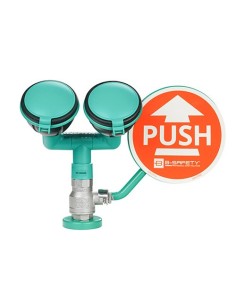
Emergency showers and eyewash stations are used in industrial plants, laboratories, chemical production units, hazardous material stores, pharmaceutical facilities, and processing areas where personnel may be exposed to corrosive, irritant, or toxic media. Their function is immediate flushing of the body, eyes, or face before medical treatment.
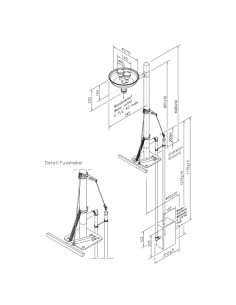
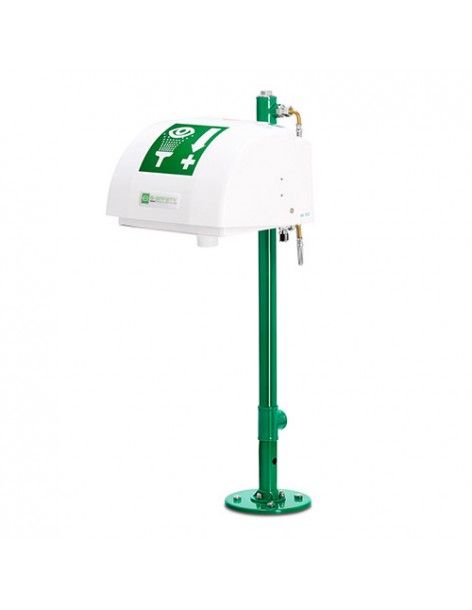
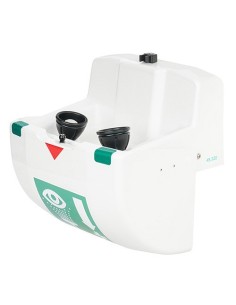
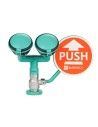
Equipment selection should be based on the area risk assessment, access distance, required flow, supply pressure, water temperature, activation method, drainage provisions, and material compatibility with the operating environment. A typical eyewash unit may be specified with stainless steel construction, operating pressure 2.5-5 bar, flow rate 14 l/min, 1 1/4 in. inlet connection, and compliance with EN 15154-2:2006 and ANSI Z358.1-2014.
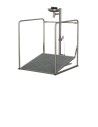
Combined body shower and eyewash units are applied where exposure can affect both a large skin area and the face at the same time. For heated anti-freeze versions, typical data include stainless steel construction, overall height 2300 mm, operating pressure 2-8 bar, body shower discharge 50 l/min or 110 l/min, eyewash flow 14 l/min, and electrical supply 230 V, 50 Hz.
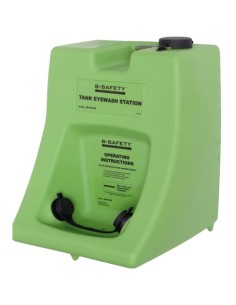
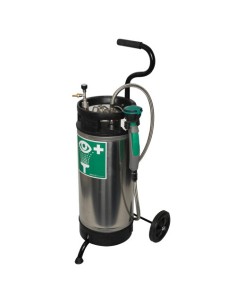
Where no permanent water connection is available, tank-fed stations are used. As an example, a heated 60 l tank unit can provide approximately 15 minutes of continuous flushing, with heat tracing rated at 20 W/m, 230 V, 50 Hz power supply, and suitability for EX Zone 1 and Zone 2 service when electrical components are protected accordingly.
Maintenance should include periodic activation, verification of flow and pressure, cleaning of spray heads, inspection of dust covers, draining of stagnant water, checking heating elements, and replacement of flushing fluid in tank units. Where potable water or bacteriostatic additives are used, defined fluid replacement intervals are required due to microbial contamination risk.