
Safety
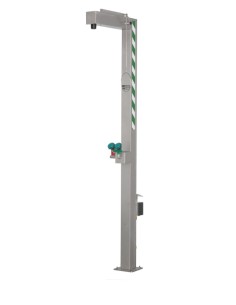
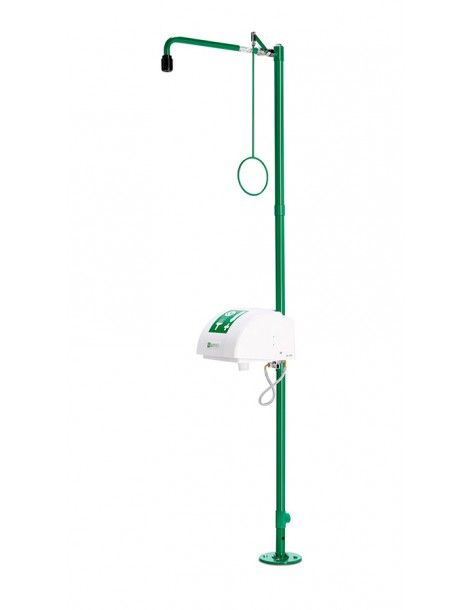
Safety body showers are used in industrial plants, laboratories, and technical work areas where personnel may be exposed to chemicals, dust, corrosive liquids, or thermal and mechanical irritants. Selection should be based on hazard location, required access time, water pressure and flow rate, ambient temperature, drainage provisions, and the ability to carry out periodic functional testing.
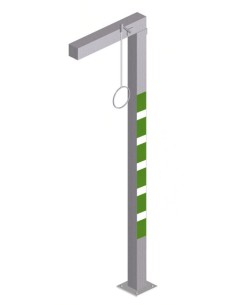
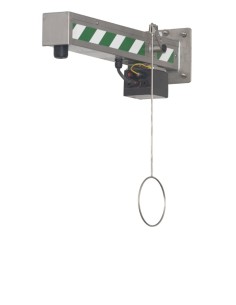
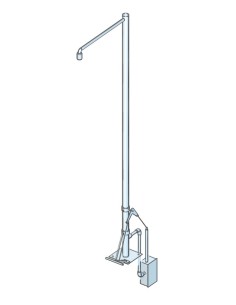
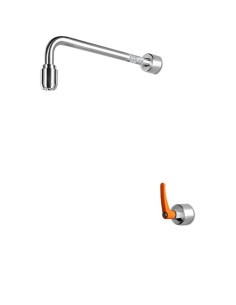
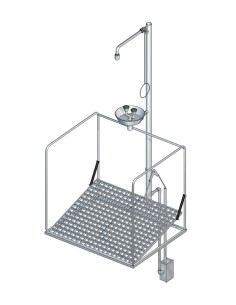
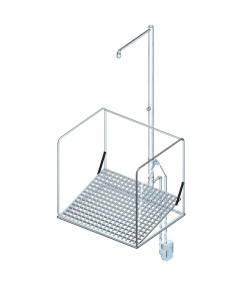
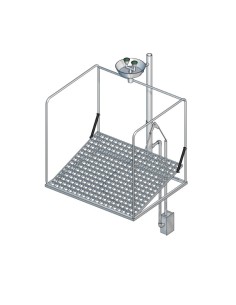
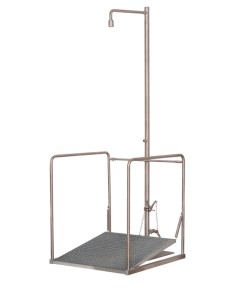
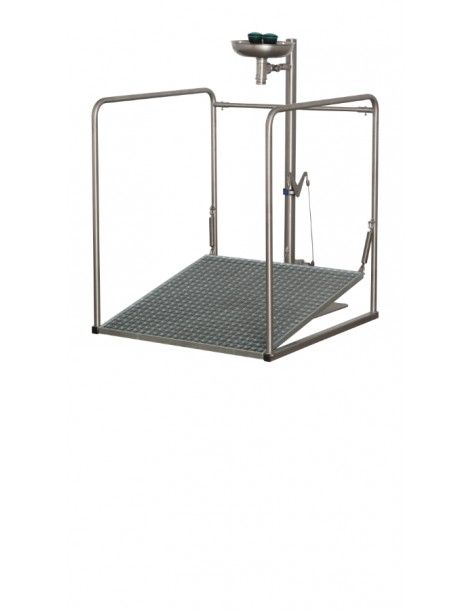
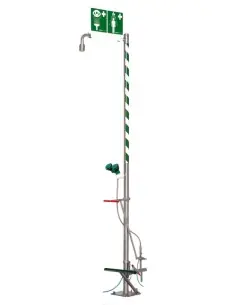
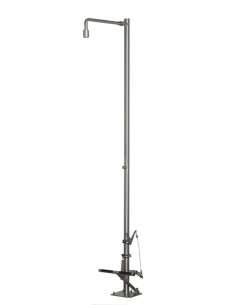
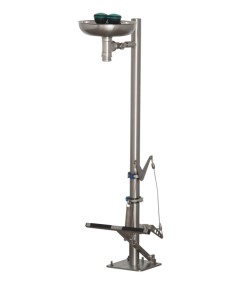
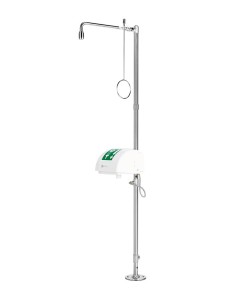
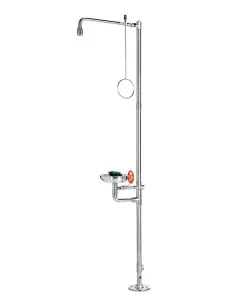
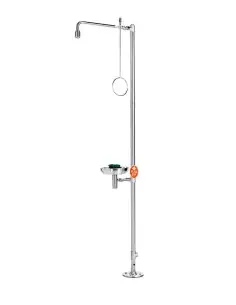
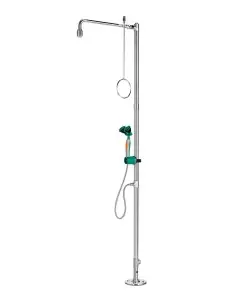
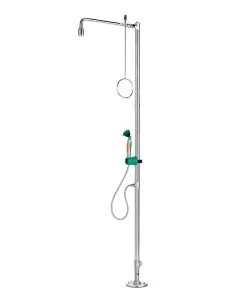
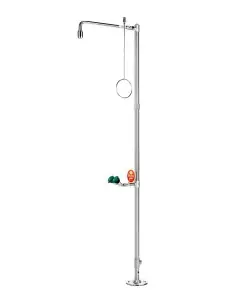
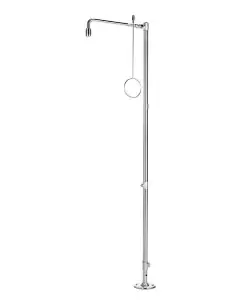
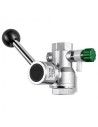
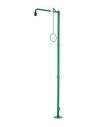
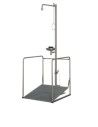
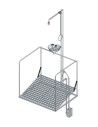
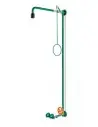
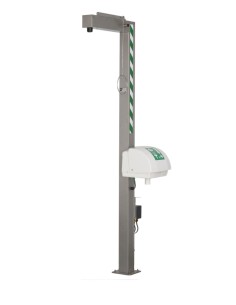
This category includes B-Safety ClassicLine and PremiumLine body showers in floor-mounted, wall-mounted, adjustable, and arm-mounted configurations, with activation valves, self-contained arrangements, cage-enclosed stations, units for hot climates, frost-protected versions, and combinations with eye wash or eye/face wash assemblies. Typical body shower configurations are specified with an overall height of approximately 2300 mm, projection 600–630 mm, operating pressure ranges of 1.5–3 bar or 2–8 bar depending on design, body shower flow rate 50 l/min with available 75 and 110 l/min versions, and water inlet connections of 1", 1 1/4", or equivalent according to construction.
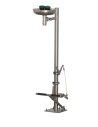
Combined units with eye/face wash provide simultaneous flushing of the body and eyes, using spray heads, bowl assembly, dust covers, and regulated flow to maintain a stable rinse pattern. Versions for hot climates and self-draining arrangements remove stagnant water from the riser pipe, reducing solar heat gain and limiting microbiological loading in low-use installations.
For outdoor installation or low ambient temperatures, heated and frost-protected versions are available with insulation, self-regulating trace tape rated 230 V / 50 Hz, and thermostatic control. During specification, the following should be checked: compliance with EN 15154, ANSI Z358.1, EN 1717 / DIN 1988, safety signage to EN ISO 7010, flushing water temperature, nozzle contamination protection, activation valve function, and maintenance requirements for drain-down or heat-tracing systems.