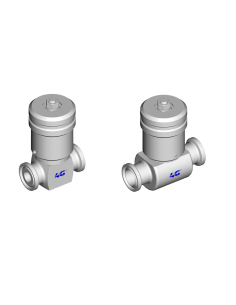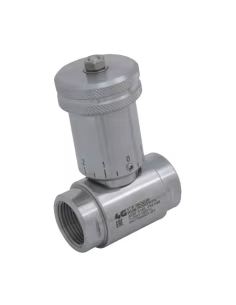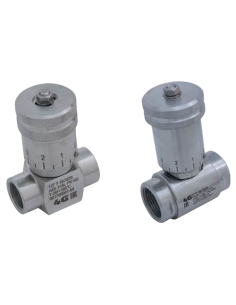

Isolation
Isolation valves are used for positive shut-off or safe isolation of piping sections in steam, condensate, hot/chilled water, air, thermal oil, industrial liquid, and non-corrosive or chemically compatible fluid services. Selection is based on DN, PN or ANSI Class, operating temperature, differential pressure, flow direction, allowable seat leakage, and compatibility of body, seat, and sealing materials.
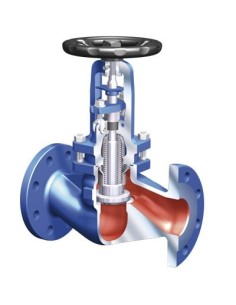
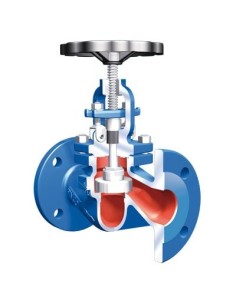
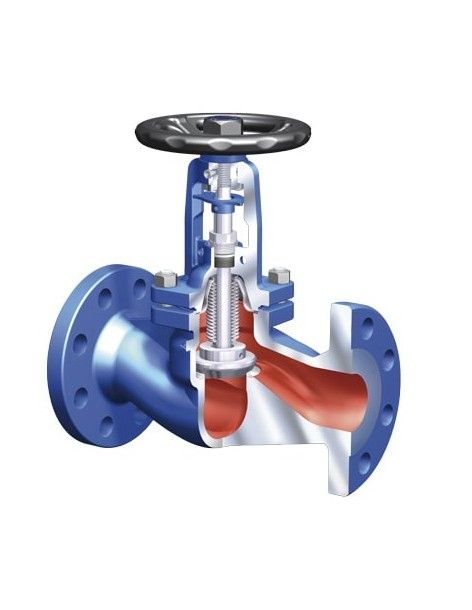
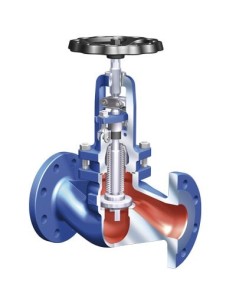
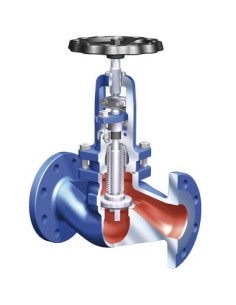
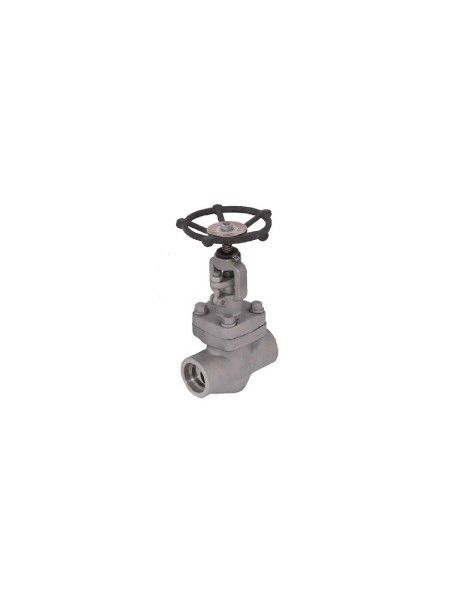
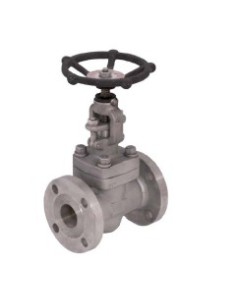
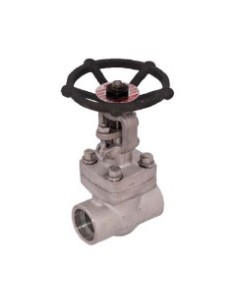
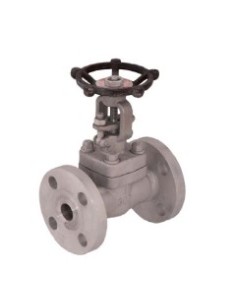
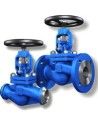
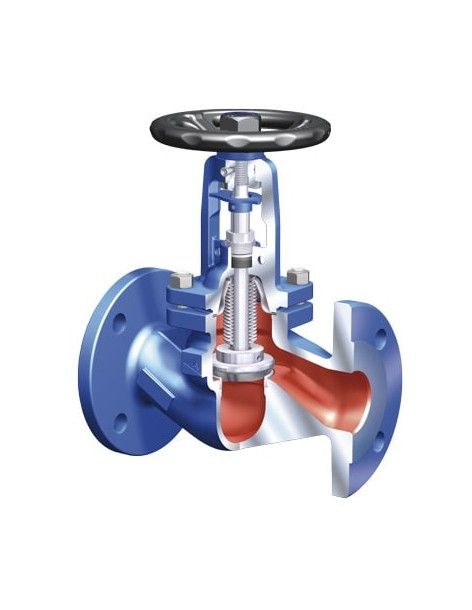
For globe-type stop valves, bellows-sealed designs are specified where external stem leakage must be minimized, such as in steam, thermal oil, ammonia, vacuum, or process lines. Packed gland versions are used in general industrial service where periodic packing inspection and maintainability are acceptable. For smaller sizes and higher pressure service, forged steel globe and gate valves are used in Class 150/300 and Class 800 ratings.
Ball valves are applied where rapid isolation is required in 2-way, 3-way, or 4-way configurations, with PN16/40, PN63/100, Class 600, wafer, threaded, or jacketed constructions for temperature-controlled media. Butterfly valves are selected where low weight, short face-to-face dimension, and suitability for larger diameters are important.
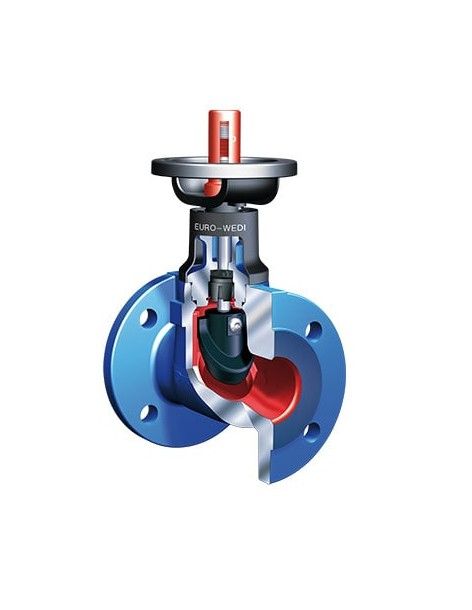
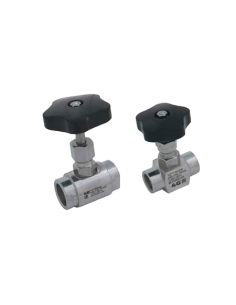
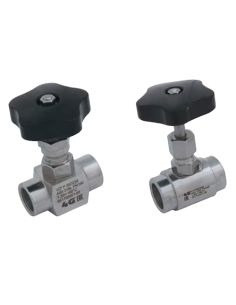
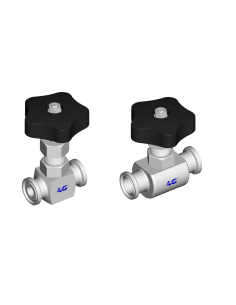
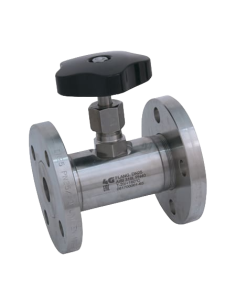
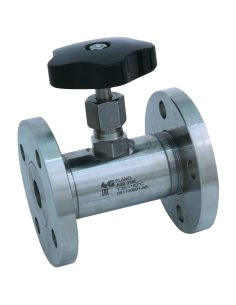
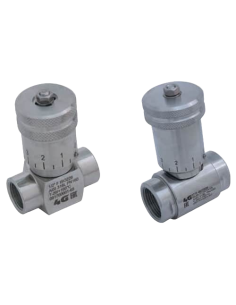
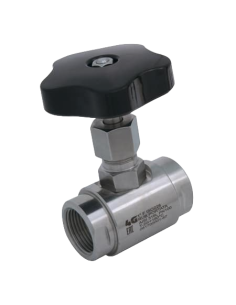
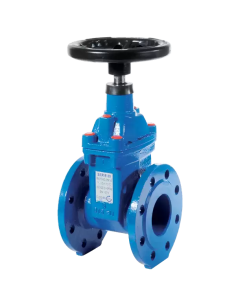
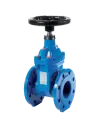
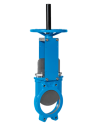
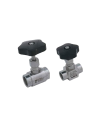
Gate valves are intended primarily for on/off duty and are not generally selected for prolonged throttling service. Diaphragm valves are used where the operating mechanism must be isolated from the process fluid. Needle valves are applied for fine regulation of low flow rates or instrumentation service. Knife gate valves are used for slurries, pulp, and fluids containing solids, with shut-off direction checked in unidirectional designs.