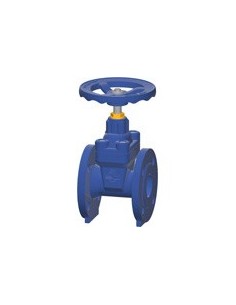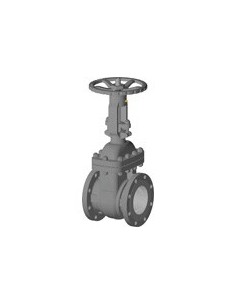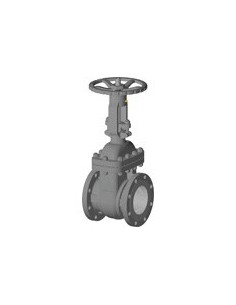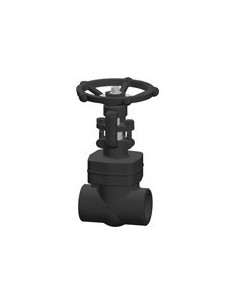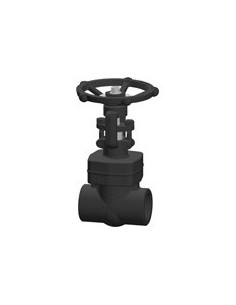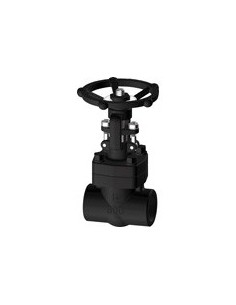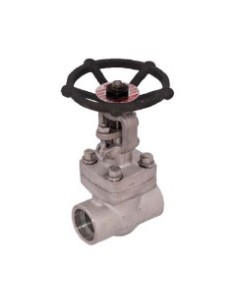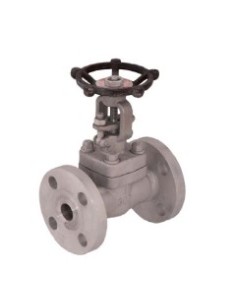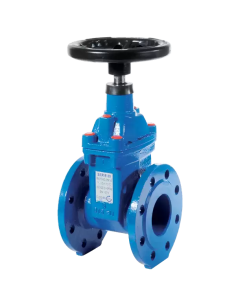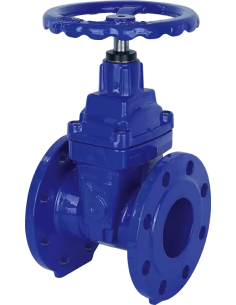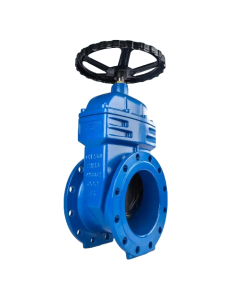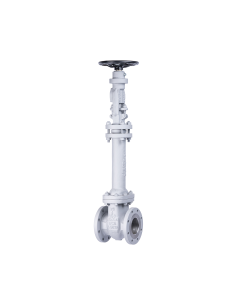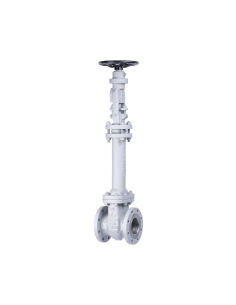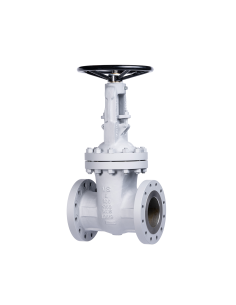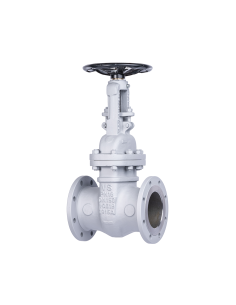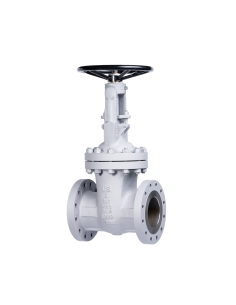

Gate Valves
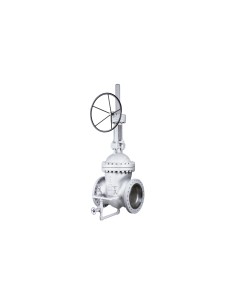
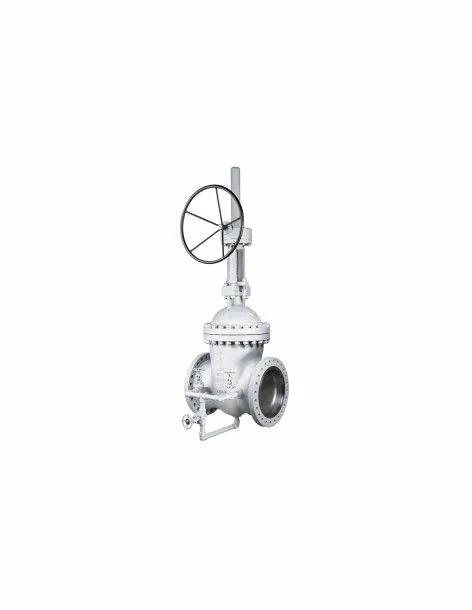
Gate valves are used primarily as isolation valves for fully open or fully closed service in industrial piping systems. The closure member moves perpendicular to the flow path and, in the fully open position, pressure loss is low compared with throttling valve designs. They are not intended for continuous throttling duty, since operation in an intermediate position can lead to seat erosion, vibration, and wear of the wedge or parallel discs.
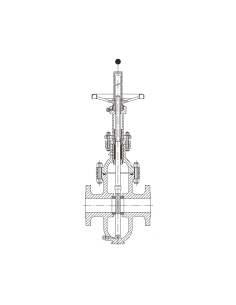
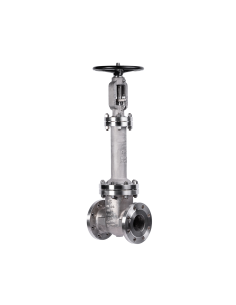
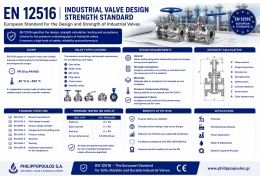
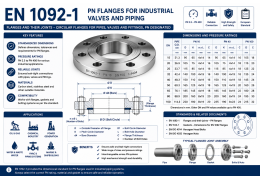
This category includes resilient seated gate valves for water, heating, cooling, and neutral industrial fluids, as well as metal seated wedge, parallel slide, pressure seal, bolted bonnet, bellows seal, through conduit, expanding gate, and cryogenic designs. Available constructions follow DIN and ANSI/ASME standards, with pressure ratings from PN 6 to PN 420 and ASME Class 150 to 4500, depending on series, size, and body material. End connections include BSP, NPT, ISO 7 Rp, ISO 228-1, flanged ends, socket weld, and butt weld.
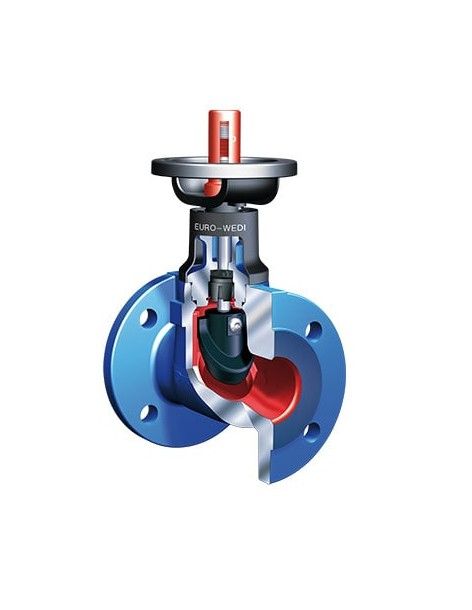
Material selection is based on pressure, temperature, process medium, and corrosion allowance. The range includes cast iron, ductile iron, carbon steel, low-temperature carbon steel, Cr-Mo low-alloy steels, stainless steels, duplex and super duplex grades, and nickel alloys, together with bodies in ASTM A216 WCB, A217 WC6/WC9, A350 LF2, A351 CF8/CF8M, and forged ASTM A182 materials. For soft seated service, EPDM or PTFE seating materials are used. ARI EURO WEDI valves are referenced for PN 6 to PN 16, temperatures from -10°C to +120°C, and flanged connections to DIN EN 1092-1/2 or threaded connections to DIN ISO 228-1.
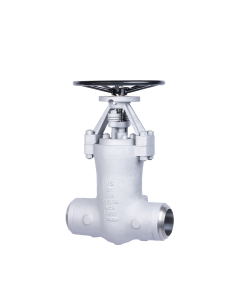
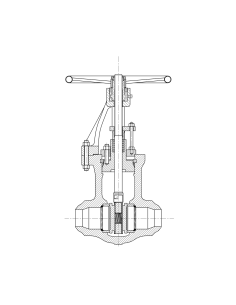
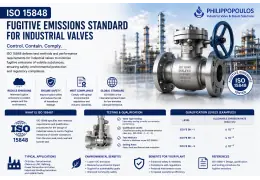
For high-pressure and high-temperature duty, pressure seal bonnet constructions are evaluated, particularly in steam systems, power generation, and heavy process service. Valvosider ASME bolted bonnet gate valves cover Class 150 to 2500, while pressure seal ASME versions are specified for Class 600 to 2500 with butt weld ends. In critical applications, selection should include review of API 600 or API 6D compliance, PED and ATEX requirements, TA-Luft fugitive emissions considerations, leakage class, packing versus bellows sealing arrangement, and bonnet maintainability without imposing excessive stress on the connected pipework.