
Diaphragm Valves
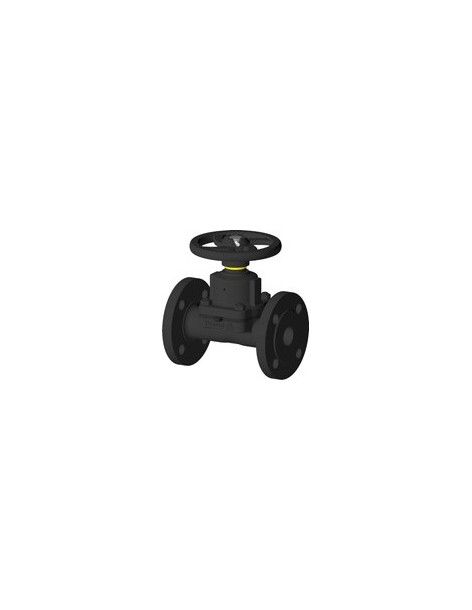
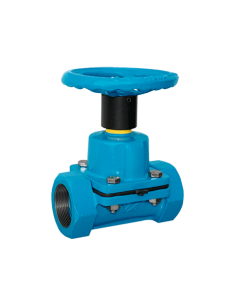
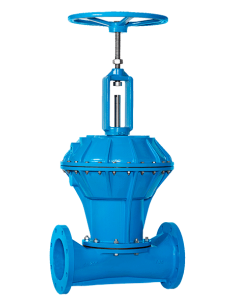
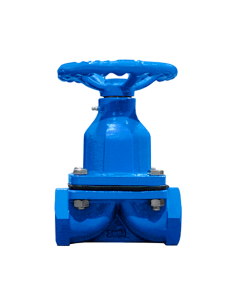
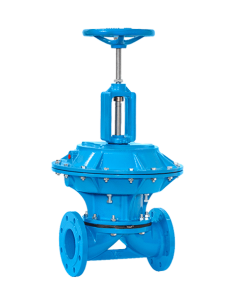
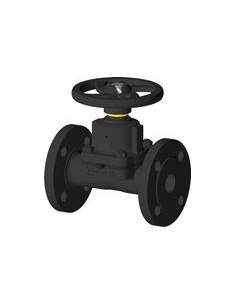
Diaphragm valves are used for isolation or flow regulation in lines where the process medium must be separated from the operating mechanism. The diaphragm serves both as the closing element and as the stem seal, reducing potential external leak paths. This arrangement is used for water, chemicals, corrosive liquids, slurries, mildly abrasive media, food processing, pharmaceutical service, and utility networks in treatment systems.
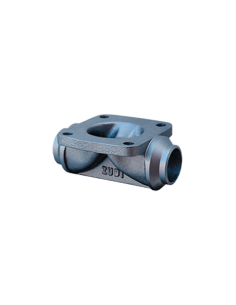
The category includes straight-through and weir-type Comeval DIAVAL configurations, Zubi diaphragm valves with threaded, flanged, socket weld, and butt weld end connections, and Tassalini sanitary diaphragm valves. Available standards include DIN, ANSI, and JIS, with pressure ratings such as PN 6, PN 8, PN 10, PN 16, PN 25, PN 40, ANSI 125/150, and JIS 5K/10K, depending on series and valve size.
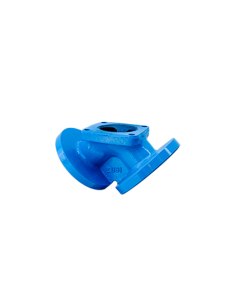
Body, lining, and diaphragm selection is critical. Available body materials include ductile iron, cast iron, EN-GJS-500, AISI 316, and special alloys, with lined or unlined constructions using hard rubber, ebonite, natural rubber, neoprene, butyl, NBR, Hypalon, Halar/ECTFE, Rilsan, or PTFE-based materials. Diaphragms in EPDM, butyl, natural rubber, nitrile, silicone, Viton, and PTFE are selected according to chemical compatibility, operating temperature, pressure, cycle frequency, and cleaning requirements.
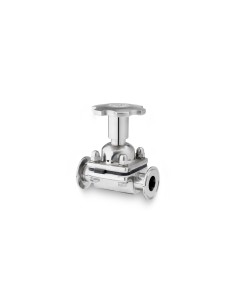
For sanitary service, Tassalini valves are manufactured in AISI 316L, conform to 3-A criteria, and are available with EPDM or optional PTFE diaphragms. They can be specified for CIP self-draining service, top-entry maintenance, and internal surface finish up to Ra 0.2 μm where required by the process.
Technical selection should verify DN, pressure class, body pattern, Cv/Kv requirement, diaphragm compatibility, shut-off tightness requirement, method of actuation, and access for diaphragm replacement without removing the valve body from the pipeline.