
High Performance
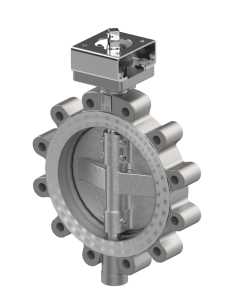
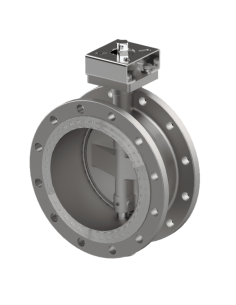
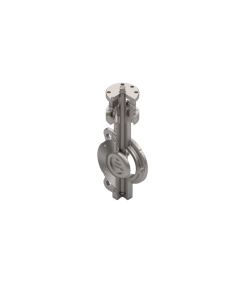
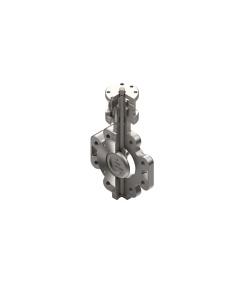
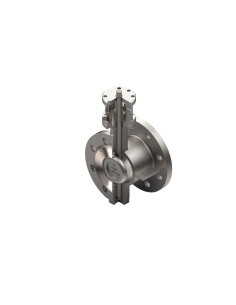
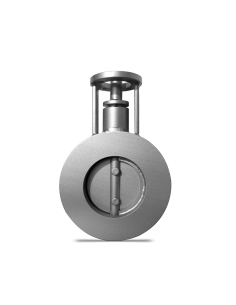
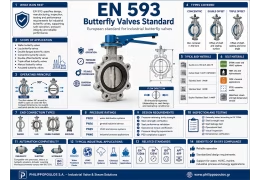
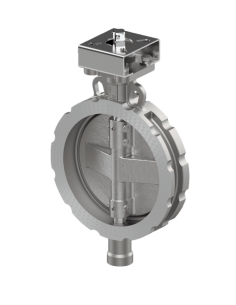
High-duty butterfly valves are used in industrial lines where a conventional concentric butterfly valve is not suitable due to temperature, differential pressure, shut-off requirements, or frequent operating cycles. Selection is typically driven by isolation duty and, where conditions allow, throttling service in steam, thermal oil, hydrocarbons, chemicals, air, seawater, hot water, LPG/LNG, bitumen, sludge, and corrosive or abrasive media.
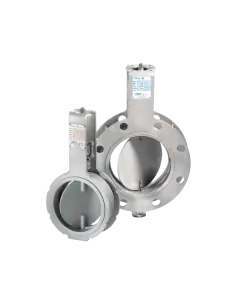
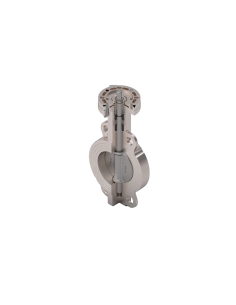
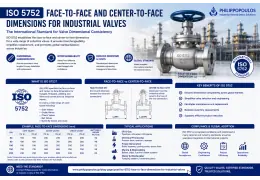
This category includes Alfa Europe, TTV, and Mei executions in wafer, lug, and double-flanged bodies, with DIN, ANSI, and JIS drilling patterns and pressure ratings from PN 6 to PN 40, ASME Class 150/300, and JIS 5K/10K. Body and trim materials include ductile iron EN-JS 1030 / EN-GJS-500, stainless steel 1.4408, SD 2508, ASTM A216 WCB, ASTM A351 CF8M, and zinc-plated carbon steel. Seat configurations are available in PTFE, 25% glass-filled PTFE, RPTFE, RPTFE with SS316 reinforcement, and metal-seated designs.
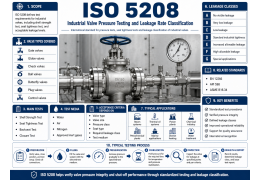
For metal-seated service, leakage capability must be reviewed carefully. Some metal-to-metal designs are intended for elevated temperature operation without requirement for bubble-tight shut-off and may have declared leakage in the range of 0.5-1%. Where tighter isolation is required, fire-safe constructions or PTFE/RPTFE seated versions should be evaluated against the applicable leakage class, ISO 5208 leakage rate, EN 12266-1, and API 598 test criteria.
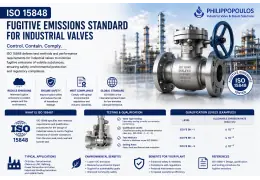
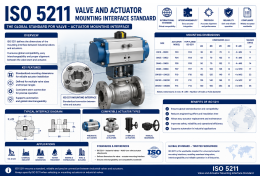
Valve selection should be based on DN, pressure class, operating temperature, differential pressure, pressure direction, disc and shaft material, seat construction, required shut-off class, and actuator torque. For automated operation, verification should include ISO 5211 top flange interface, breakaway torque, fail-safe position, and compatibility with pneumatic, electric, or hydraulic actuators. In critical installations, additional assessment may be required for PED, ATEX, SIL, TA-Luft / ISO 15848 fugitive emission compliance, and fire-safe certification.