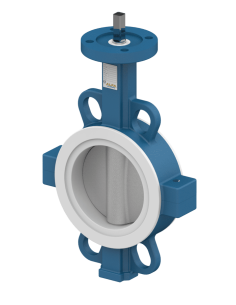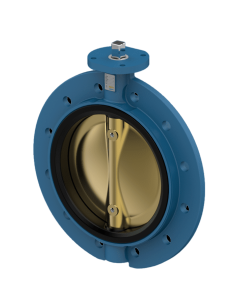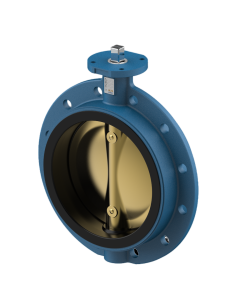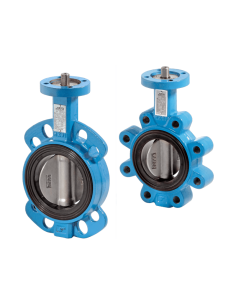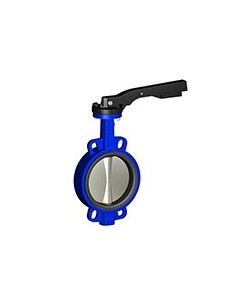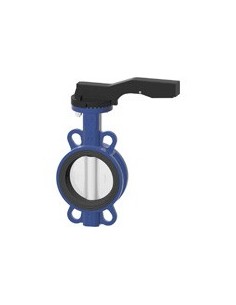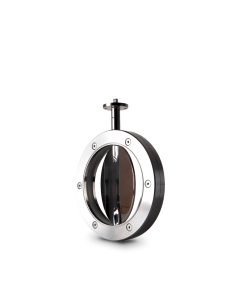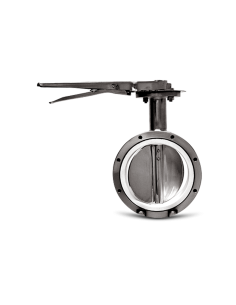

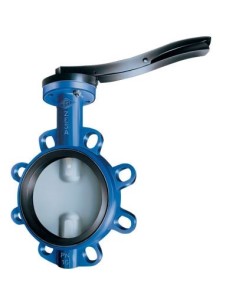
Wafer
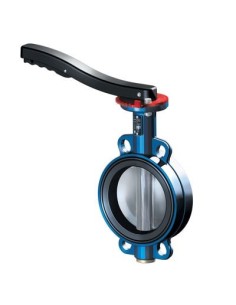
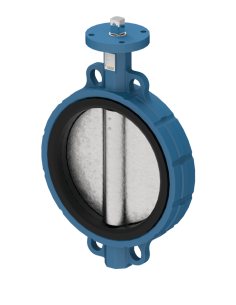
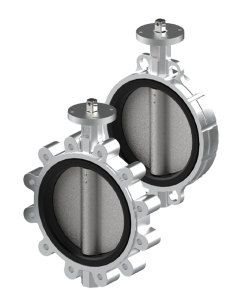
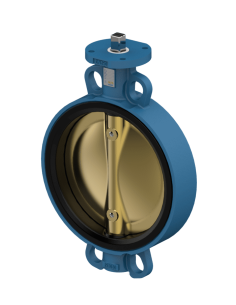
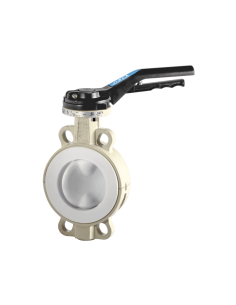
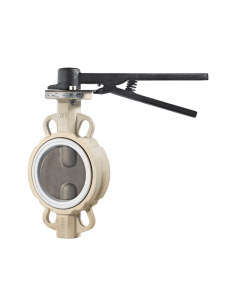
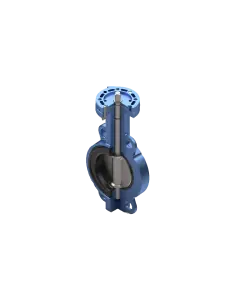
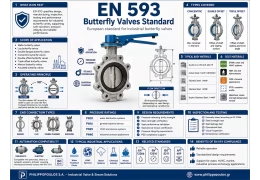
Wafer butterfly valves are used for isolation and limited throttling duty in water distribution, HVAC, chilled water, compressed air, inert gas, and general industrial utility networks. The wafer-type body is installed between mating flanges and centered by the pipeline bolts, without an independent flanged body connection. The short face-to-face dimension reduces installed weight and envelope size, but requires correct flange alignment, suitable gaskets, and controlled bolt tightening torque.
This category includes ARI, Alfa Europe, Comeval, and TTV versions, with DIN, ANSI, and JIS drilling standards. Available pressure classes include PN 6, PN 10, PN 16, PN 25, ANSI Class 150, and JIS 5K/10K, depending on series and size. Body material options include ductile iron EN-JS 1030 / GGG40, cast iron EN-GJL-250, EN-GJS-500, ASTM A216 WCB cast steel, stainless steel 1.4408 / AISI 316, and aluminium bronze for specific service conditions.
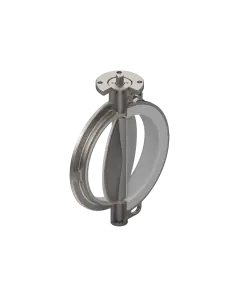
For resilient-seated designs, seat material selection is critical for temperature rating and media compatibility. EPDM is generally used for water, hot/cold water, and HVAC service. NBR is applied in air service and media with limited oil content. FPM/FKM is selected for specific chemicals or oil-bearing fluids. In PTFE-lined or PTFE-seat designs, use in more corrosive media should be evaluated against temperature, pressure, and disc load conditions.
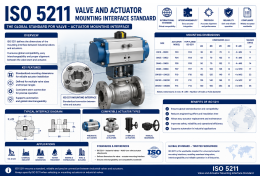
Actuator selection depends on DN, differential pressure, operating frequency, and automation requirements. Available options include lever operation, gearbox, pneumatic actuator, and electric actuator. For throttling service, Kvs, operating angle, cavitation risk, noise generation, and seat-disc wear should be checked, since wafer butterfly valves are primarily isolation valves rather than precision control valves.