
Cryogenic
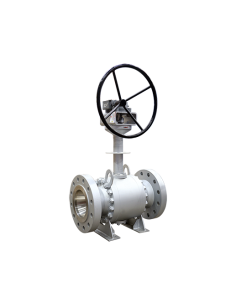
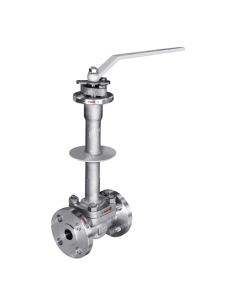
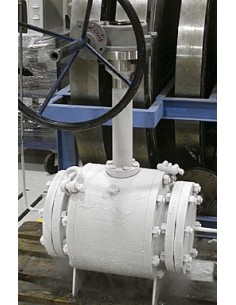
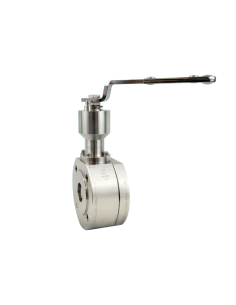
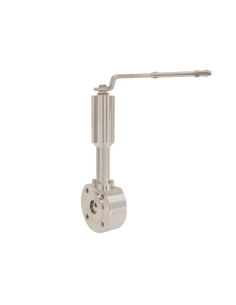
Cryogenic ball valves are used for flow isolation in liquefied gas and low-temperature fluid service, including LNG, LIN, LOX, LAR, and other cryogenic media. Their construction is based on an extended stem/bonnet arrangement so that the stem packing and operating mechanism remain outside the cold zone, reducing the risk of icing, material contraction, and stem sealing loss.
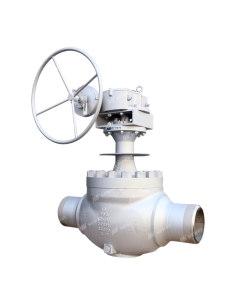
This category includes floating and trunnion-mounted designs, side-entry and top-entry configurations, and ADLER cryogenic valves with 100 mm or 250 mm stem extension. Neway side-entry floating valves cover DN15–DN40, ASME Class 150–1500 / PN16–PN250, with stainless steel body construction and RF or BW ends. Side-entry trunnion-mounted designs cover DN50–DN600, ASME Class 150–900 / PN16–PN150, with RF, BW, or RTJ connections.
Selection between floating and trunnion-mounted construction depends on valve size, differential pressure, operating torque, and required seat loading. For larger diameters or higher Δp, trunnion design reduces seat loads and allows easier actuation by gearbox, pneumatic, electric, or hydraulic actuator. Fluitek versions are specified with forged or cast two-piece or three-piece bodies, floating or trunnion design, austenitic stainless steels, PCTFE soft seats or metal-to-metal seats, and PTFE-based lip seals with spring- or pressure-energized sealing.
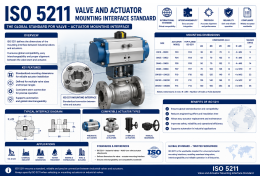
For temperatures down to -80°C, ADLER versions with 100 mm extension are used, while service down to -196°C requires 250 mm extension. These valves are specified with ISO 28921-1/2 cryogenic qualification, anti-blowout stem, antistatic device, ISO 5211 top flange, and manufacture/marking to BS 5351.
Valve selection should also verify cavity pressure relief, installation orientation, seat and seal compatibility with the process medium, fire-safe requirement, seat leakage under cryogenic test conditions, thermal cycling, and actuator torque margin during cold start-up.