
Three Pieces
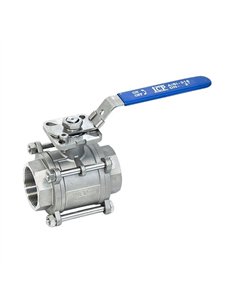
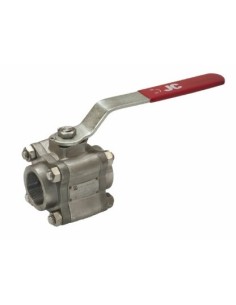
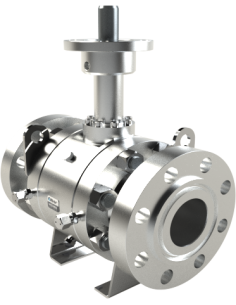
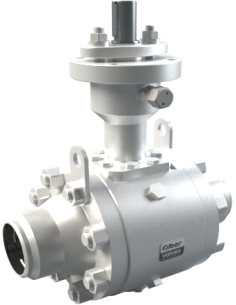
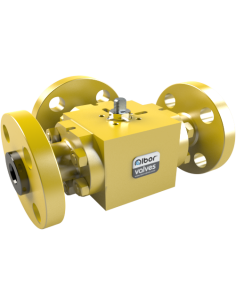
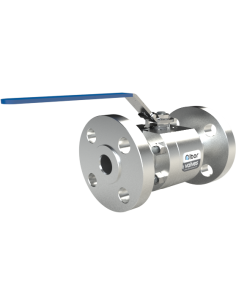
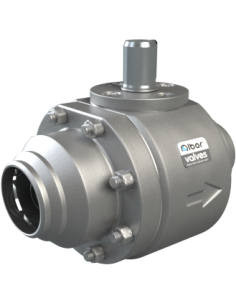
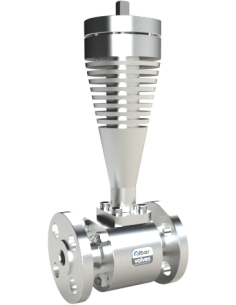
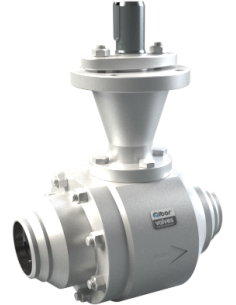
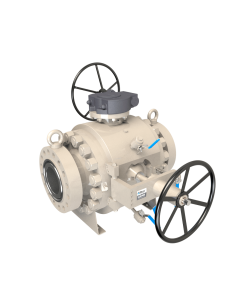
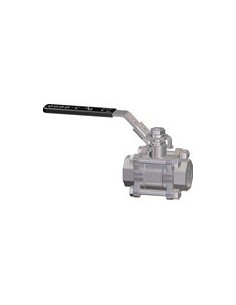
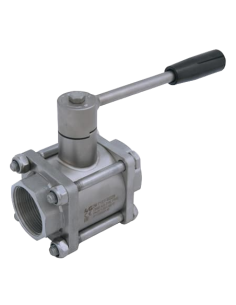
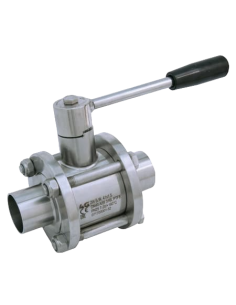
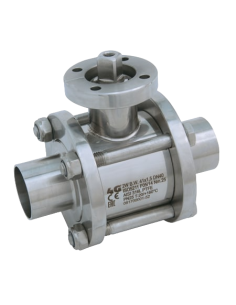
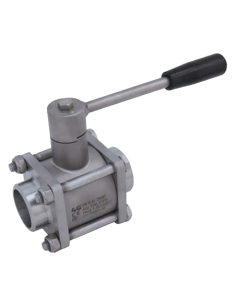
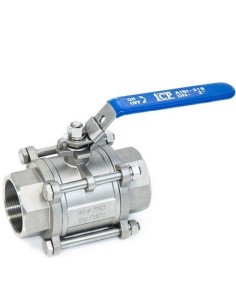
Two-way three-piece ball valves are used for on/off isolation in industrial piping systems carrying liquids, gases, steam, utilities, and clean stainless-steel process media. The three-piece body construction allows access to the central body, seats, ball, and seals without fully removing the pipe-end connections from the line, which is relevant in maintenance programs where shutdown time and flange disturbance must be limited.
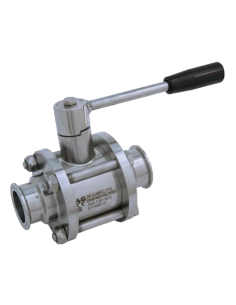
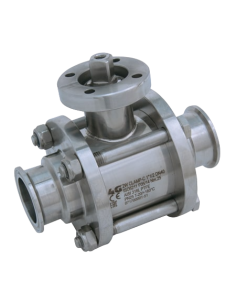
Valve selection is based on body material, end connection, pressure rating, temperature range, and sealing configuration. Available constructions include stainless steel CF8M / AISI 316 / AISI 316L, carbon steel WCB, ASTM A105N, ASTM A352 LCB / LF2, and low-temperature or corrosion-resistant executions for specific process conditions. End connections include BSP, NPT, ISO 7 Rp, ISO 228-1, socket weld, butt weld according to ANSI B16.11 / B16.25, ASME Class flanges, and hygienic clamp connections according to DIN 32676 for ASTM A270, DIN 11850, or ISO 1127 tubing.
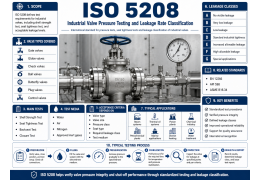
Typical configurations include full bore or reduced bore flow passage, floating ball design, and metal-seated versions for higher temperature, abrasive service, or media containing solids. Seat materials may include PTFE, reinforced PTFE, TFM, or metallic seats depending on pressure, temperature, chemical compatibility, and leakage requirements. High-pressure versions may cover Class 800 / 1500, PN40–PN63, PN64, and up to ASME Class 2500 / PN420, depending on the valve series and construction. Soft-seated versions commonly operate in ranges such as -25°C to +180°C, while metal-seated designs require separate verification against the process temperature and sealing class.
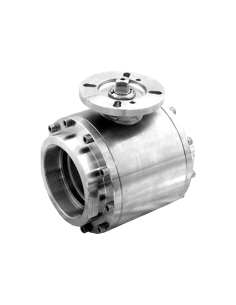
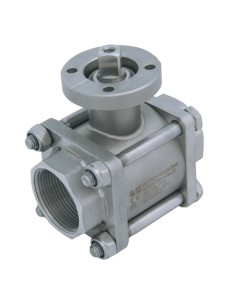
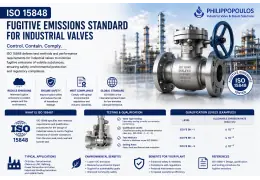
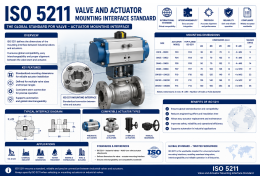
For automated service, ISO 5211 / DIN 3337 mounting pads allow installation of pneumatic or electric actuators. In critical applications, selection should also consider blowout-proof stem design, fugitive emission control, cavity relief, self-relieving or DIB seat arrangements, stem sealing injection, and auxiliary sealing capability. Final specification should be based on medium compatibility, differential pressure, operating temperature, switching frequency, maintenance access, and the required shut-off leakage performance.