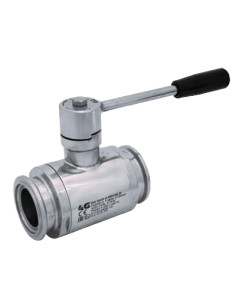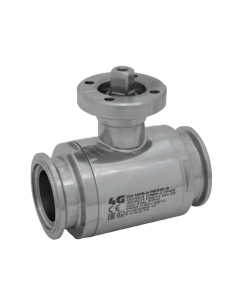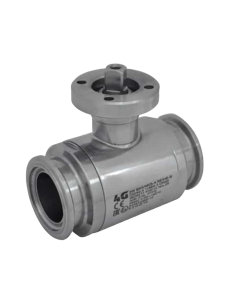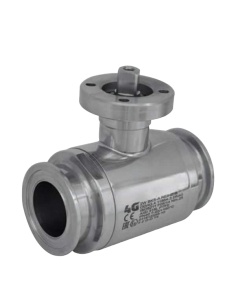

Aseptic
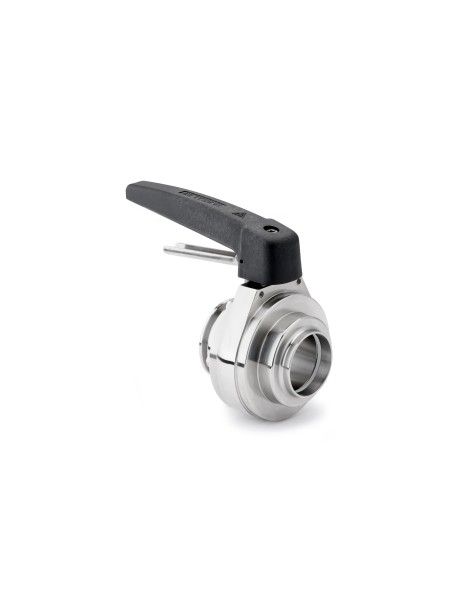
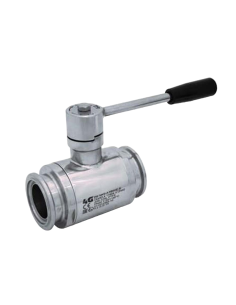
Aseptic ball valves are used as isolation valves in process lines where hygienic design, cleanability, and minimization of dead volume directly affect plant operation. They are applied in food, beverage, dairy, pharmaceutical, cosmetic, and other liquid-service systems requiring controlled flow without product retention zones.
This category includes 4G Ghidini aseptic ball valves to DIN 11864-3 Series A/B/C, with NKS, BKS + NKS, and Form A male/female connection configurations, as well as aseptic Tassalini versions. Available standardization is DIN, with nominal pressure classes PN 25, PN 40, PN 64, and PN 100. Body materials include 1.4404 and stainless steel 316L. Seat materials are available in PTFE and modified virgin PTFE, selected according to operating temperature, chemical compatibility, and cleaning requirements of the process.
Valve selection should be based on the aseptic connection type, tubing standard, operating pressure, CIP/SIP temperature, product viscosity, and compatibility of elastomers or PTFE seats with detergents, disinfectants, and thermal cycling. In aseptic installations, evaluation should include internal surface roughness, full drainability, access for disassembly, avoidance of product entrapment in the ball cavity, and valve behavior under repeated cleaning and sterilization cycles.
For automated production lines, the specification should also consider actuator torque, position indication, hygienic actuator mounting, and compatibility with CIP/SIP procedures. Selection should not be based on line size alone, but on the complete process envelope: product characteristics, cleaning regime, temperature cycling, connection standard, leakage requirements, and microbiological control criteria.