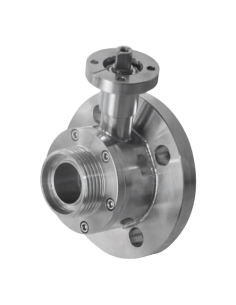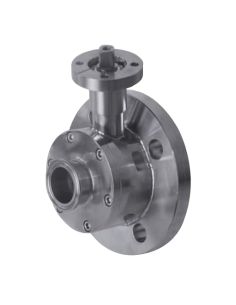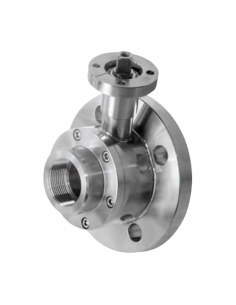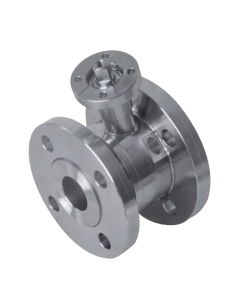

End Tank Execution
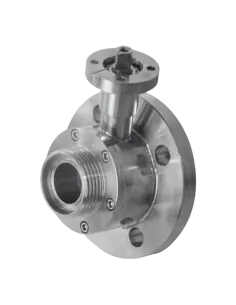
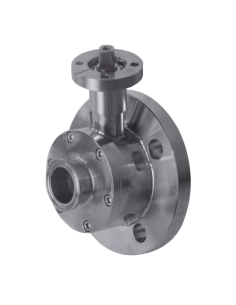
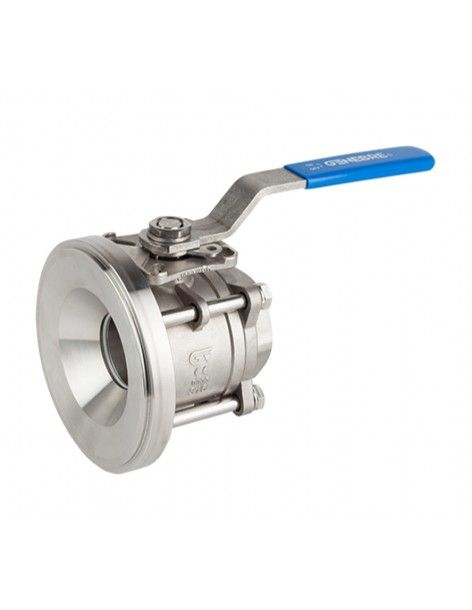
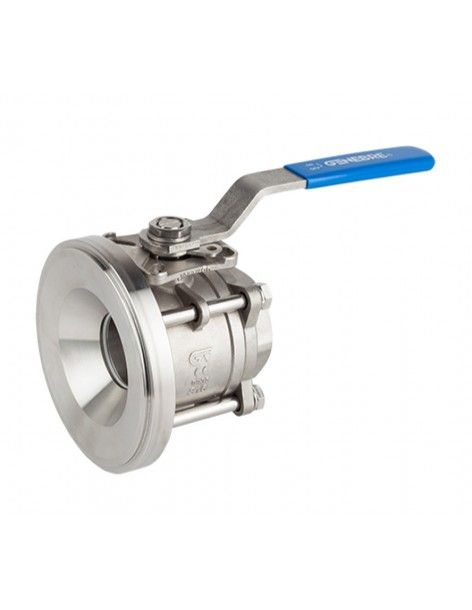
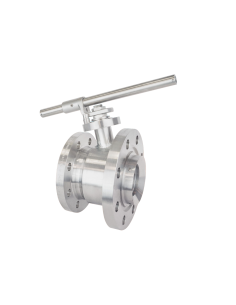
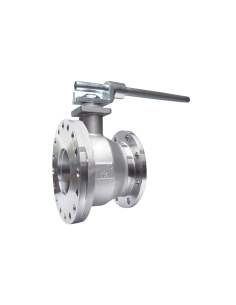
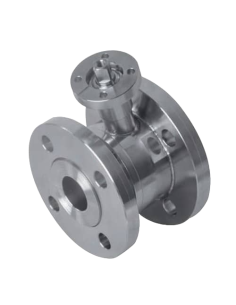
Tank-end ball valves are used on tank discharge nozzles, side outlets, and drain lines where rapid isolation of tank contents and controlled connection to transfer piping, pumps, or sanitary fittings are required. The tank-end configuration differs from a standard inline ball valve because the connection geometry must match the tank wall or tank flange while limiting product hold-up in the outlet zone.
This category includes 4G Ghidini, Genebre, and ADLER designs in DIN and ANSI execution, with pressure ratings PN 10, PN 16, PN 63, and ASME Class 150. Available end connections include BSP, ISO 228-1, flanged ends, wafer flanged arrangement, butt weld, clamp, and DIN 11851, covering service in general industrial liquids, food and beverage duties, chemically compatible media, and tank transfer systems.
Available body and wetted materials include stainless steels 1.4404, 1.4408, ASTM A479 Type 316, and ASTM A479 Type 316L. Seat materials such as virgin PTFE, modified PTFE, and PTFE with 15% glass fibre should be selected according to operating temperature, chemical compatibility, pressure rating, cycling frequency, and allowable operating torque. For viscous products or media prone to sedimentation, the potential for retention in the ball cavity and the feasibility of cleaning or flushing should be verified.
Valve selection should consider tank arrangement, installation position, drainability, compatibility with CIP procedures, access for packing and seat maintenance, and leak tightness at the tank-side connection. For automated discharge service, actuator torque requirements, position indication, and fail-safe logic should be confirmed in relation to overfill protection and prevention of unintended release.