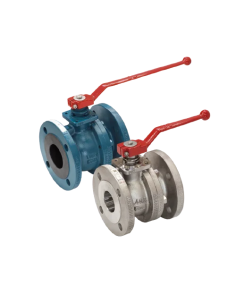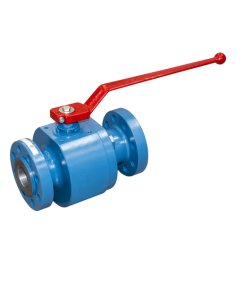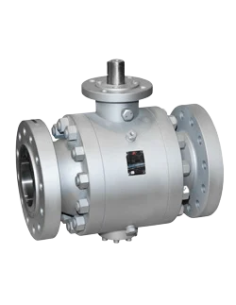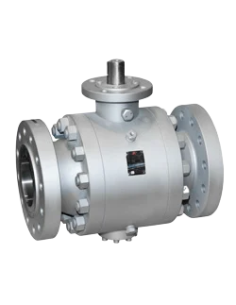

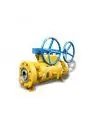
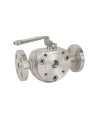
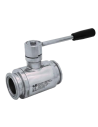
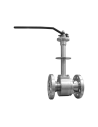
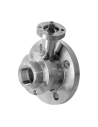
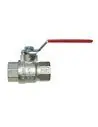
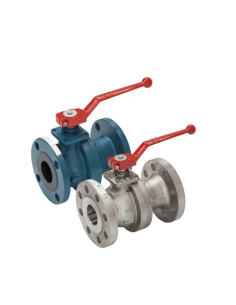
Ball Valves

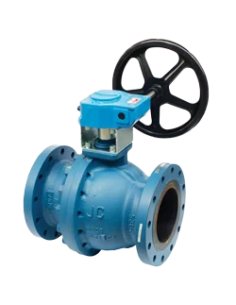
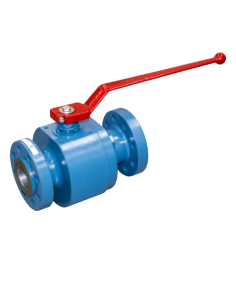
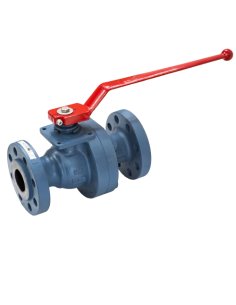
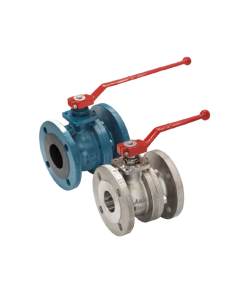
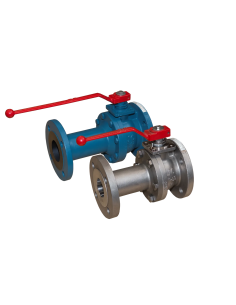
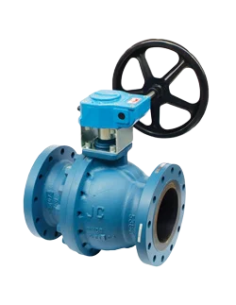
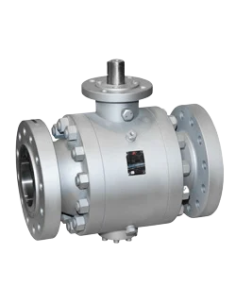
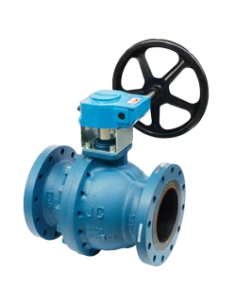
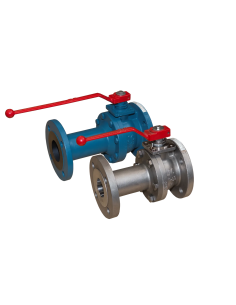
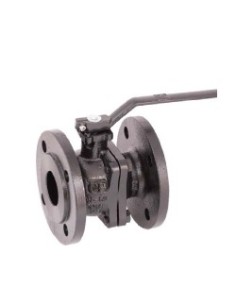
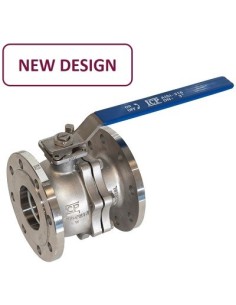
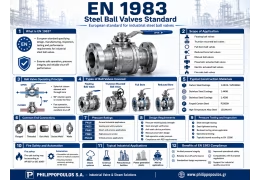
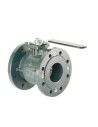
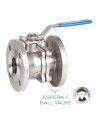
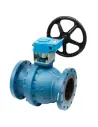
Industrial ball valves are used primarily as quarter-turn isolation valves in pipelines carrying liquids, gases, low- to medium-pressure steam, compressed air, process water, hydrocarbons, and chemically compatible media. Quarter-turn operation reduces actuation time, while the choice between floating-ball and trunnion-mounted designs depends on DN/NPS, differential pressure, operating torque, and seat leakage requirements.

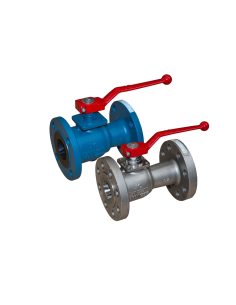
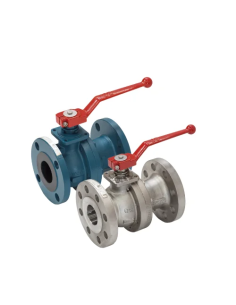
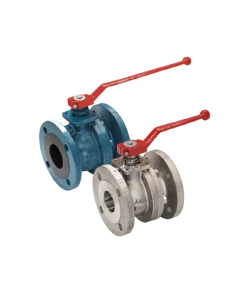
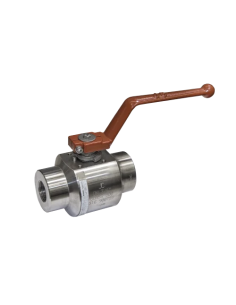
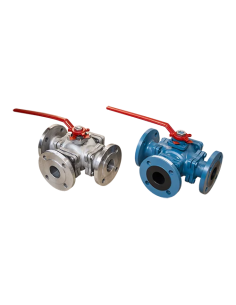
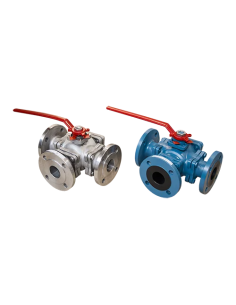
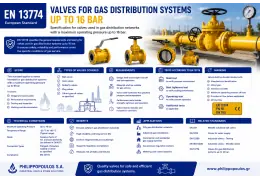
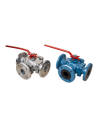
The category includes 2-way valves, 3-way L-port or T-port configurations, 4-way designs, V-port control ball valves, trunnion-mounted, jacketed, aseptic, cryogenic, and tank outlet ball valves. Available constructions include full bore, reduced bore, Venturi port, split-body, wafer, forged side-entry, top-entry, fully welded, and compact DBB manifold designs, with manual operation or provision for pneumatic or electric actuation. Typical ranges cover PN10/16, PN16/40, PN63/100, and ASME Class 150 to Class 2500, with butt weld ends to ANSI B16.25, socket weld ends to ANSI B16.11, as well as flanged, threaded, and wafer connections.

Seat material selection is critical. Soft seats in PTFE, RTFE, or similar polymers are used where tight shut-off is required in clean service and within controlled temperature limits, while metal-seated designs are considered for elevated temperature, abrasive solids, or services with increased wear. Cryogenic service requires extended bonnet construction and verification of thermal contraction effects. For viscous media or products prone to solidification, jacketed ball valves are used to maintain body temperature. In mixing or diverting duty, 3-way or 4-way configurations are selected based on defined porting logic, while V-port ball valves are applied where modulating flow control is required rather than simple on-off isolation.