
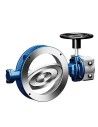
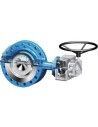
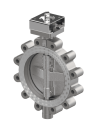
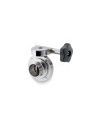
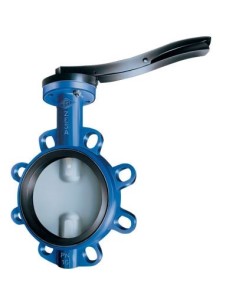
Butterfly Valves
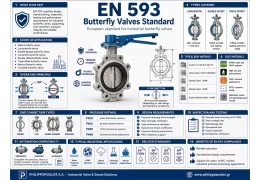
Butterfly valves are used for isolation and, under controlled conditions, flow throttling in water networks, HVAC, chilled water, air, inert gases, steam, thermal oil circuits, and general industrial utility services. Quarter-turn operation provides short face-to-face dimensions and lower installed mass compared with gate or globe valves, but valve selection should account for differential pressure (Δp), disc opening angle, Kvs/Cv, operating torque, and potential seat–disc wear.
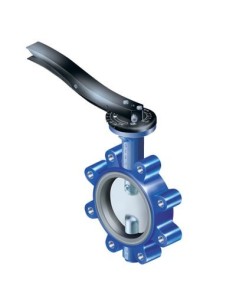
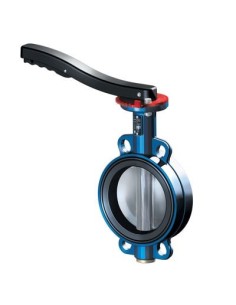
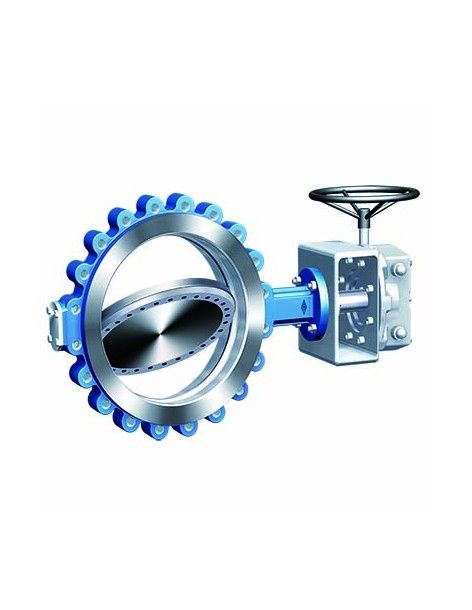
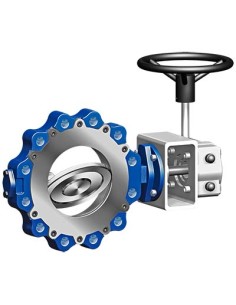
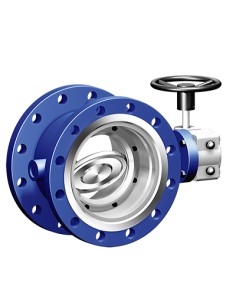
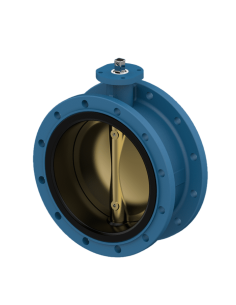
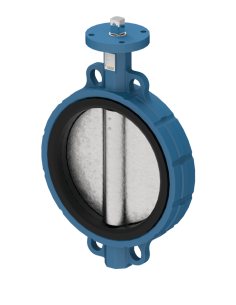
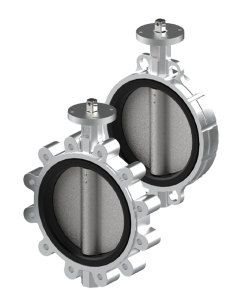
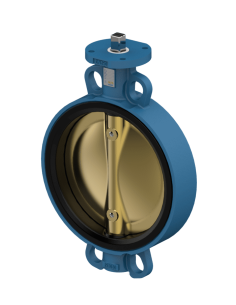
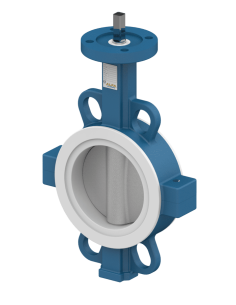
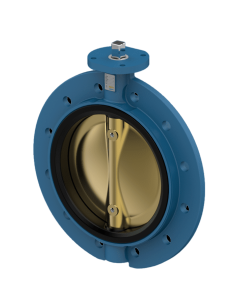
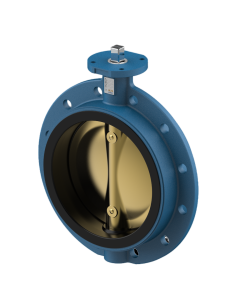
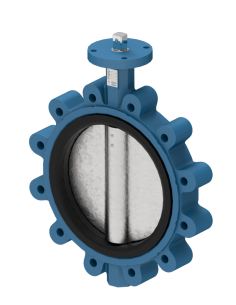
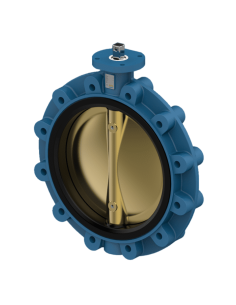
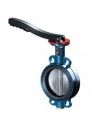
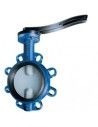
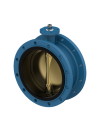
The category includes wafer, lug, flanged, double-flanged, double-offset, triple-offset, high-performance, and food-grade designs. Wafer valves are installed between mating flanges and are used mainly for inline isolation. Lugged bodies with threaded inserts can be used as pipe-end valves and allow one side of the pipeline to be disconnected without removing the valve. Flanged and double-flanged constructions are selected where higher mechanical rigidity or a specific installation standard is required.
In soft-seated designs, seat materials such as EPDM, NBR, and FPM cover different temperature limits and chemical compatibility requirements, typically in PN 6, PN 10, and PN 16 ductile iron bodies. Tightness can be verified to EN 12266-1. For potable water or gas service, compliance with the relevant approvals and material certifications should be confirmed before specification.
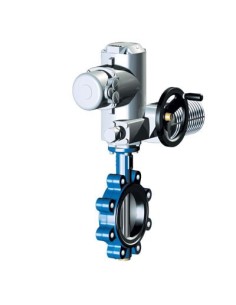
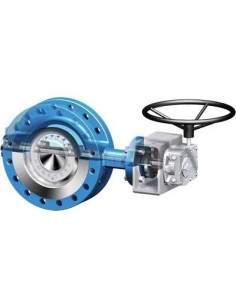
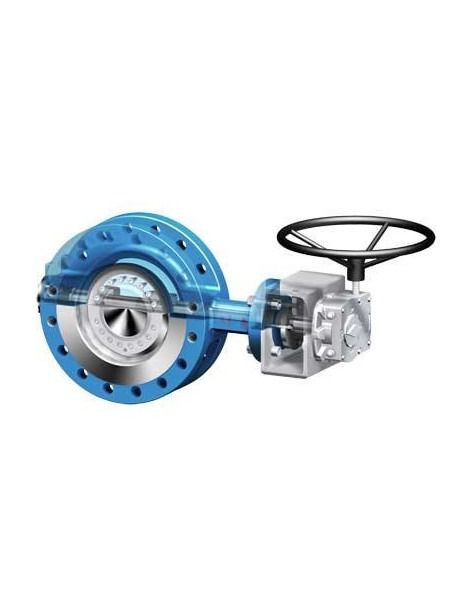
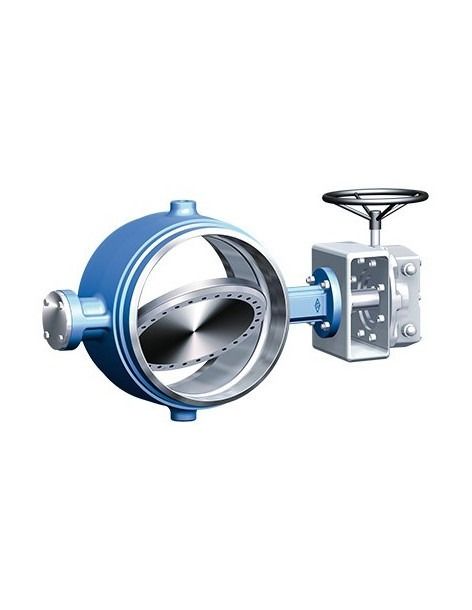
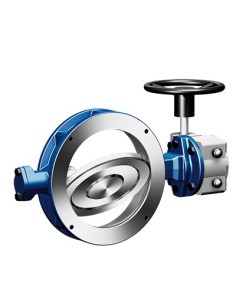
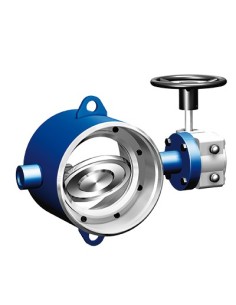
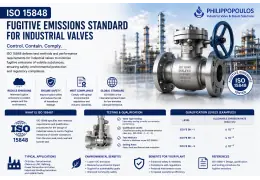
For steam, thermal oil, elevated temperature duty, or fire-safe requirements, double-offset and triple-offset butterfly valves are generally specified. Double-offset designs reduce disc-to-seat friction during opening and are available with PTFE+C or metal seats for higher temperature service. Triple-offset metal-seated valves are applied in steam systems, thermal cycling duty, and process lines where elastomeric seats are not acceptable. Typical options include PN 6 to PN 40 pressure classes, fire-safe execution, ATEX, SIL, TA-Luft / ISO 15848 fugitive emission compliance, and manual, pneumatic, electric, or hydraulic actuation.