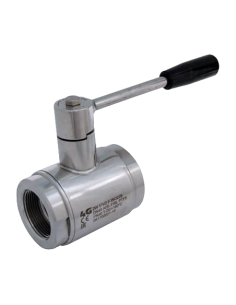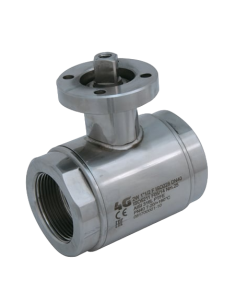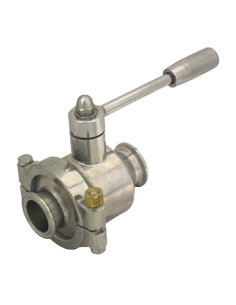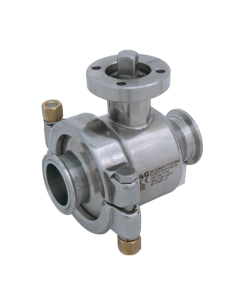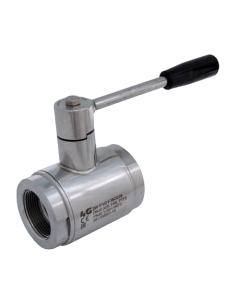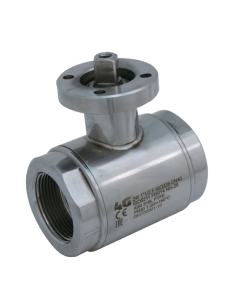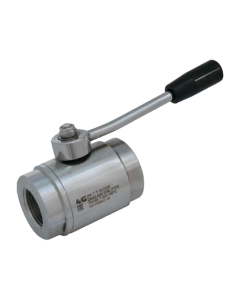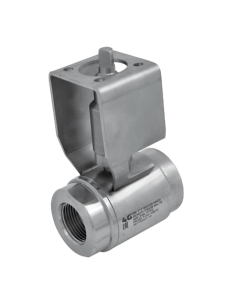

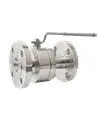
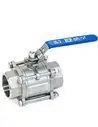
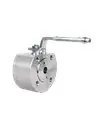
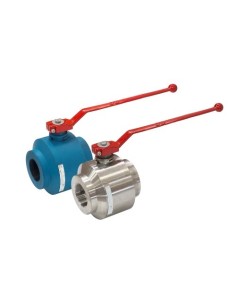
2-Way
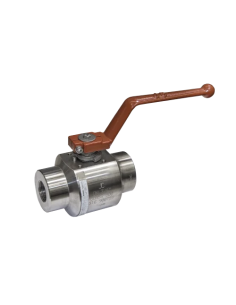
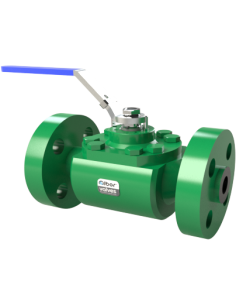
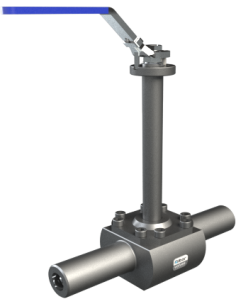
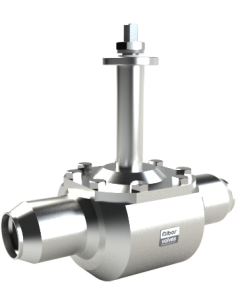
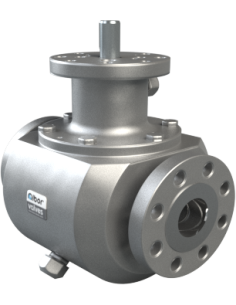
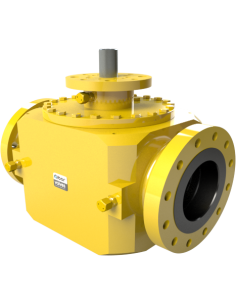
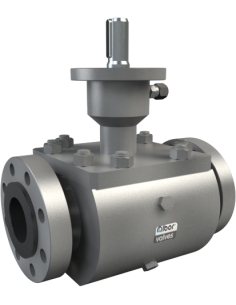
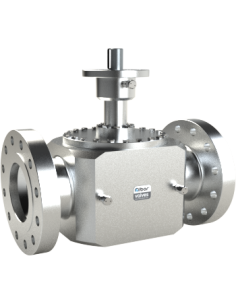
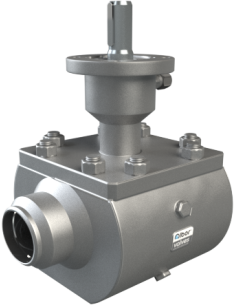
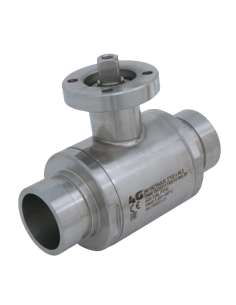
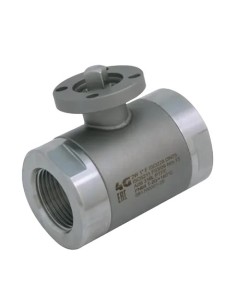
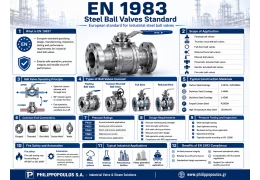
2-way ball valves are quarter-turn isolation valves used in lines where distinct open/closed operation, low pressure drop, and short actuation time are required. The bored ball provides straight-through flow in the open position and positive shut-off in the closed position. These valves are generally not intended for continuous throttling, except in specific control-oriented configurations.
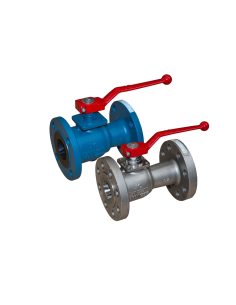
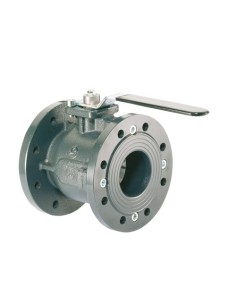
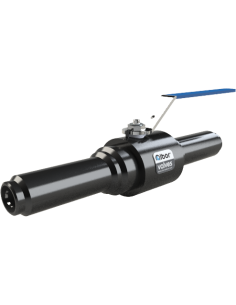
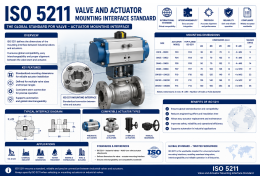
The category includes 2-piece and 3-piece designs, in full bore or reduced bore execution, with manual operation or automation capability via ISO 5211 mounting pad. Versions are available to DIN and ANSI standards, with pressure ratings from PN 6 to PN 400 and ASME Class 150 to 1500, depending on series, body material, and end connection. Connection options include BSP, NPT, flanged ends, wafer, socket weld, butt weld, ISO 228, ISO 7 Rp, Victaulic, DIN 11851, SMS, and clamp/aseptic ends for sanitary or process-specific service.
Material selection depends on the process medium, operating temperature, system pressure, and corrosion allowance. Body materials include brass, cast iron, carbon steel, stainless steel, ASTM A105, A216 WCB, A351 CF8/CF8M, duplex grades, and low-temperature carbon steels. Seat materials such as PTFE, RPTFE, glass-filled PTFE, graphite-filled PTFE, TFM, Nylon, Devlon, PEEK, and metal-seated arrangements determine shut-off performance, operating torque, thermal limits, and resistance to abrasive or solids-laden media.
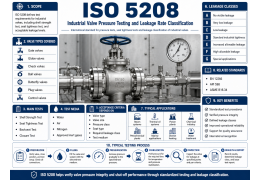
For steam, gases, hydrocarbons, process water, compressed air, chemicals, and utility services, selection should verify seat and seal compatibility, fire-safe and anti-static requirements where applicable, cavity pressure relief or drain orientation, packing maintainability, and actuator torque under maximum differential pressure. Temperature and pressure limits must be checked against the selected body/seat combination, particularly in steam service, thermal cycling duty, and applications with frequent operation or fugitive emission constraints.