
Knife Gate Valves
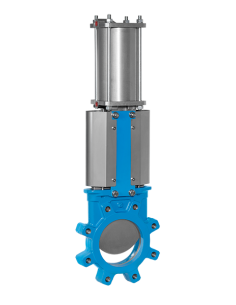
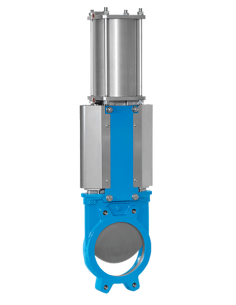
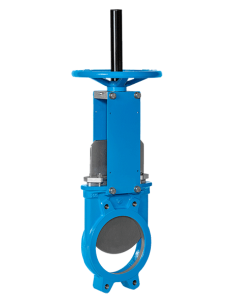
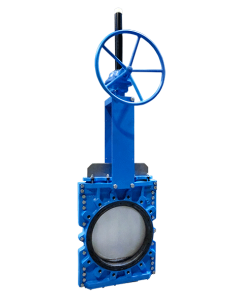
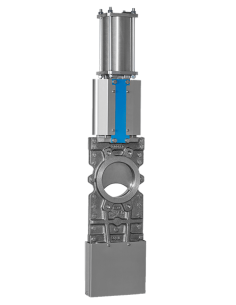
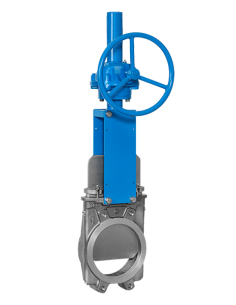
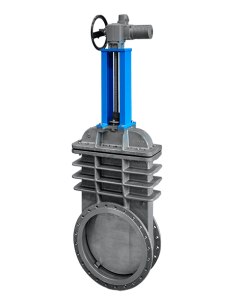
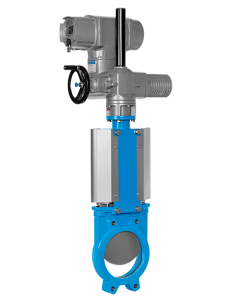
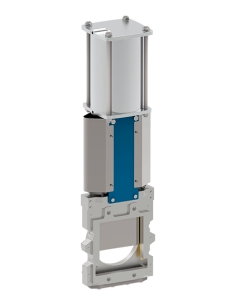
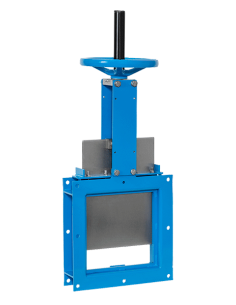
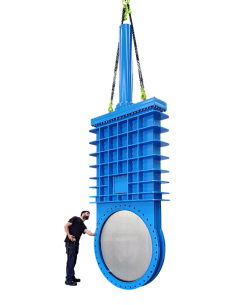
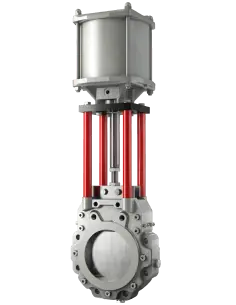
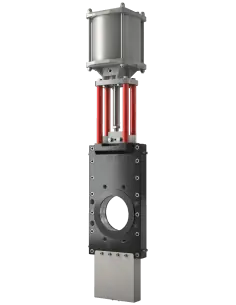
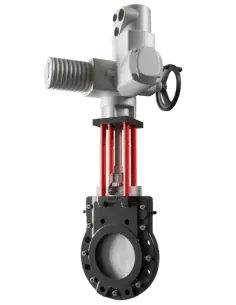
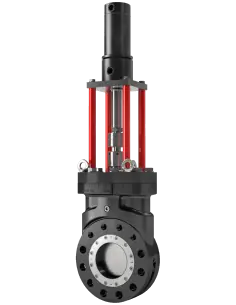
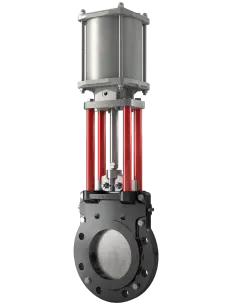
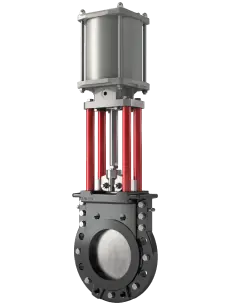
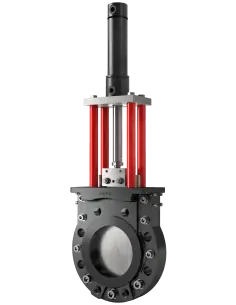
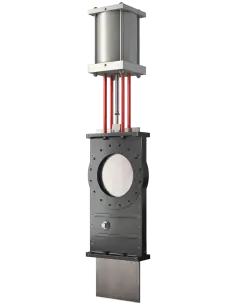
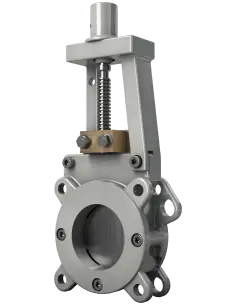
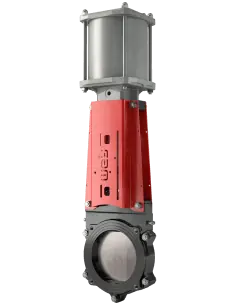
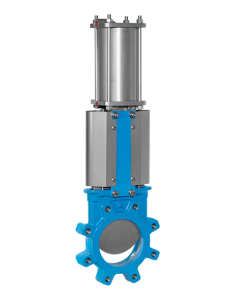
Knife gate valves are used as isolation valves in lines where the medium contains sludge, suspended solids, fibres, sediment, or viscous materials. The flat gate travels perpendicular to the flow and cuts through the media, allowing shut-off in services where a conventional gate valve or butterfly valve may suffer solids build-up at the seat. They are intended primarily for on/off duty rather than continuous throttling, because operation in a partially open position increases wear on the blade, seat, and packing.
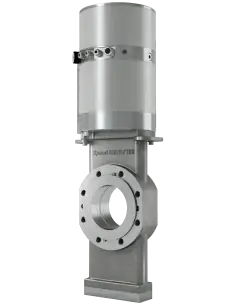
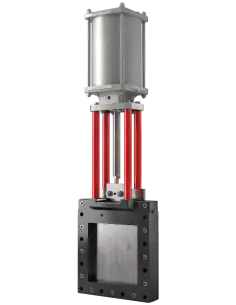
This category includes Zubi knife gate valves, type T200, in lug, unidirectional, bidirectional, and TAPPI/MSS SP-81 configurations, together with T300 short slurry, T300 through-conduit, T400 silo type, T500/T500BI high-pressure, T700, round-to-square, and square models. End connections cover PN6, PN10, PN16, PN25, PN40, ANSI Class 125/150, JIS 5K/10K, and corresponding flange standards, depending on series and valve size.
Selection between unidirectional and bidirectional design depends on pressure direction and shut-off requirements. Bidirectional versions incorporate guides and wedges on both sides to allow operation with flow and differential pressure from either direction. In silo-type designs, installation orientation and flushing ports affect solids accumulation and clean-out capability, and should be considered during valve selection.
Body materials include GG25, GGG40, ASTM A216 WCB, CF8, CF8M, CF3M, duplex, super duplex, and special stainless steels. Seat materials such as EPDM, NBR, silicone, Viton, graphite, PTFE, or metal-to-metal are selected based on chemical compatibility, temperature range, leakage class, and media abrasiveness. For higher pressure duties or corrosive and hazardous fluids, bonneted constructions should be considered, as they reduce exposed packing area and lower the risk of external leakage.