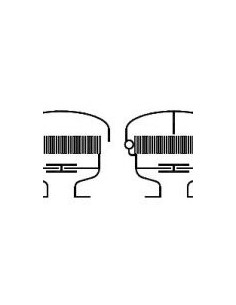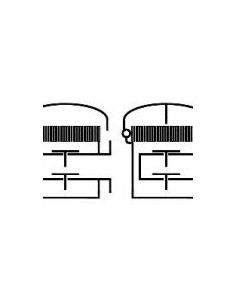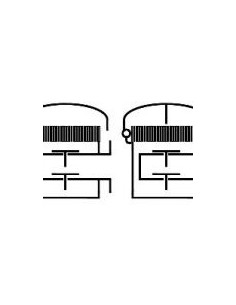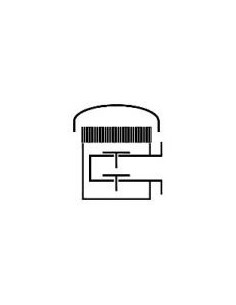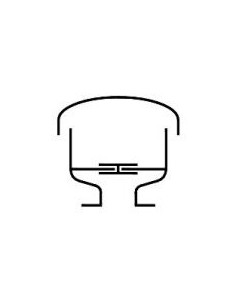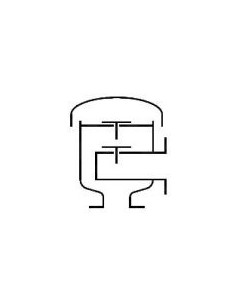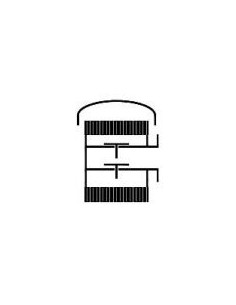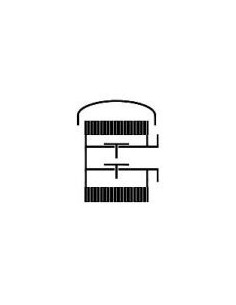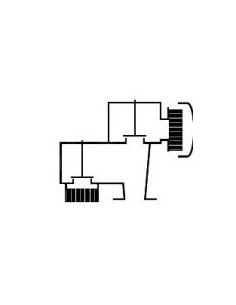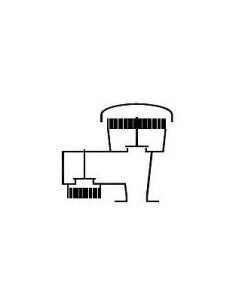

Pressure & Vaccum Relief Valves For Tanks
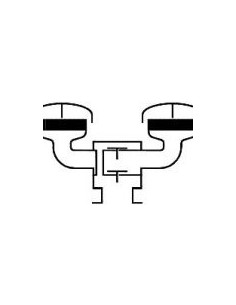
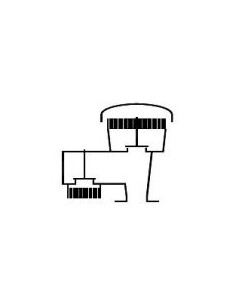
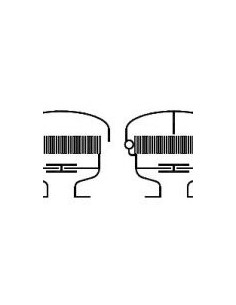
Tank pressure relief / vacuum relief valves are used on fixed-roof storage tanks and venting systems to manage normal tank breathing during filling, emptying, thermal expansion, or product cooling. The same device relieves vapour or gas when internal pressure exceeds the specified pressure setpoint and admits air or inert gas when vacuum conditions occur, protecting the tank shell against overpressure loading or deformation under vacuum.
This category includes KITO valve types E13, E13.1, E13.4, E14, E14.1, E15.2, E16.8, E16.8.1, E16.9.1, E16.9.2, E17, E17.1, E17.2, E17.4, E17.10, E17.10.1, E18, E20, E20.1, E21, E22.1, E23 and E25. The E13 series and related designs are specified as deflagration- and endurance burning-proof pressure/vacuum relief valves with integrated flame arrester, for products in explosion group IIA with MESG > 0.9 mm and maximum operating temperature 60 °C.
E17 series valves are used as end-of-line breather / venting devices for tanks storing non-flammable liquids and are not intended for explosion-proof or endurance-burning-proof service. By contrast, E20 and E20.1 types provide protection against atmospheric deflagration for explosion group IIB3 with MESG ≥ 0.65 mm and maximum operating temperature 60 °C, for vertical installation on tank roofs.
Valve selection should be based on pressure and vacuum setpoints, required inbreathing and outbreathing capacity, explosion group, operating temperature, chemical compatibility of wetted materials, allowable pressure drop, and whether flame arrester protection is required. Available configurations include DIN flanged connections, pressure classes PN 10 or PN 16, and body or trim materials such as 1.0619, 1.4408, 1.4571, or carbon steel. In service, attention should also be given to seat tightness, leakage behaviour near the setpoint, contamination risk, inspection access, and maintenance intervals for flame arrester elements and moving parts.