
Steam Trapping
Steam traps and condensate handling equipment are used in saturated and superheated steam systems to remove condensate, air, and non-condensable gases without continuous loss of live steam. Selection is based on condensate load in kg/h, differential pressure, return backpressure, condensate temperature, start-up conditions, risk of water hammer, venting requirements, and installation position.
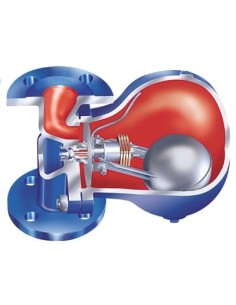
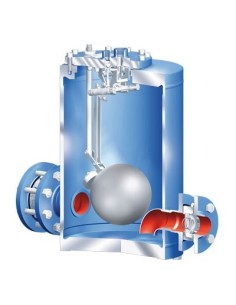
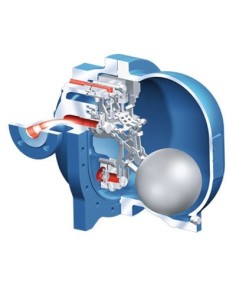
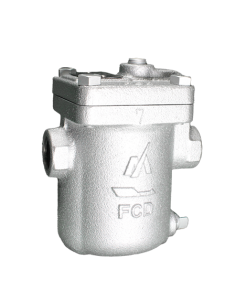
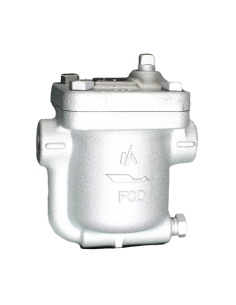
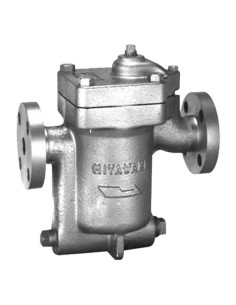
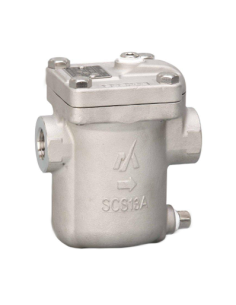
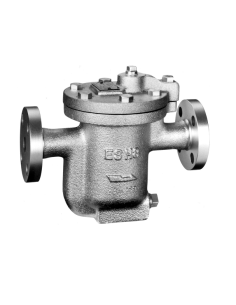
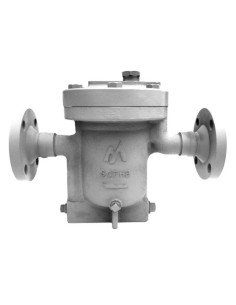
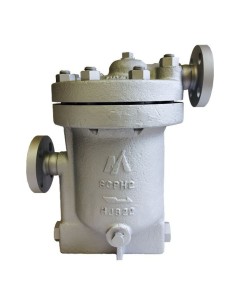
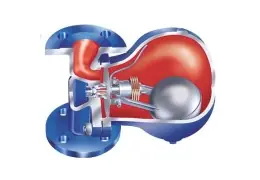
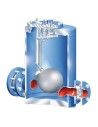
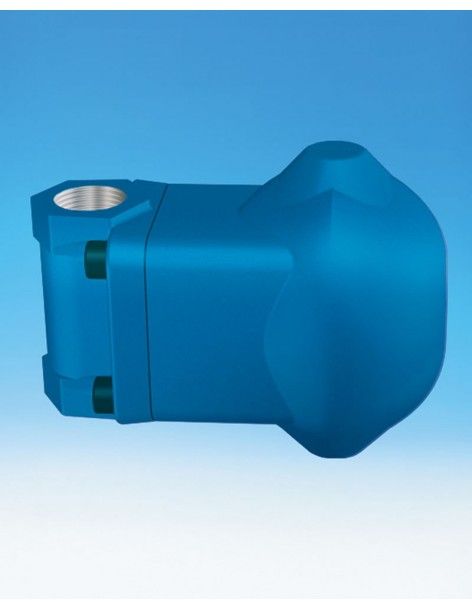
Float steam traps are applied on heat exchangers, heating coils, tanks, and process equipment with variable condensate load where continuous drainage close to saturation temperature is required. Available end connections include BSP, NPT, flanged, socket weld, and butt weld. Typical body materials include EN-JL1040, EN-JS1049, 1.0460, and 1.4541, with pressure ratings such as PN16, PN25, or PN40 depending on construction.
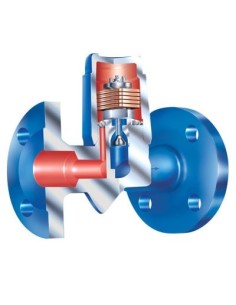
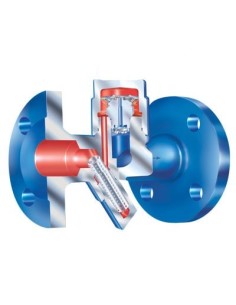
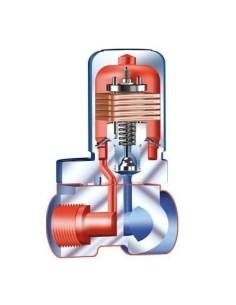
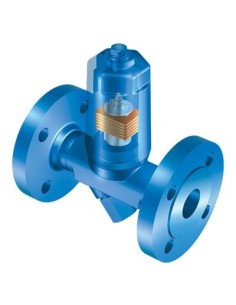
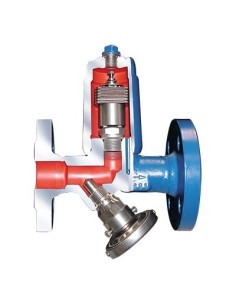
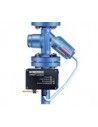
Bimetallic thermostatic steam traps are used for steam tracing, line drainage, and services where controlled condensate subcooling is acceptable. The CONA B series is specified in DN15-DN50, PN16 or PN40, with controller options for differential pressure up to 13, 22, or 32 bar, and high-pressure versions up to PN630. Factory-set subcooling can be adjusted mechanically, which is relevant where line thermal response affects process stability.
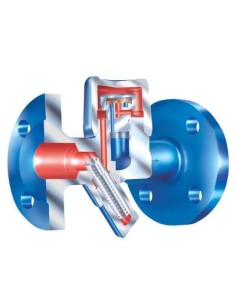
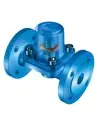
Thermodynamic disc steam traps are used on steam mains, manifolds, and low-point drainage points where intermittent discharge is acceptable. For CONA TD, the stated range includes PN40 in DN15-DN25, with materials such as 1.0460, 1.5415, or 1.4541, and differential pressure up to 32 bar. Backpressure should remain within 0.8 of inlet pressure to maintain correct operation.
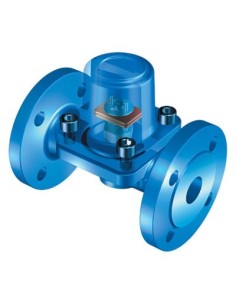
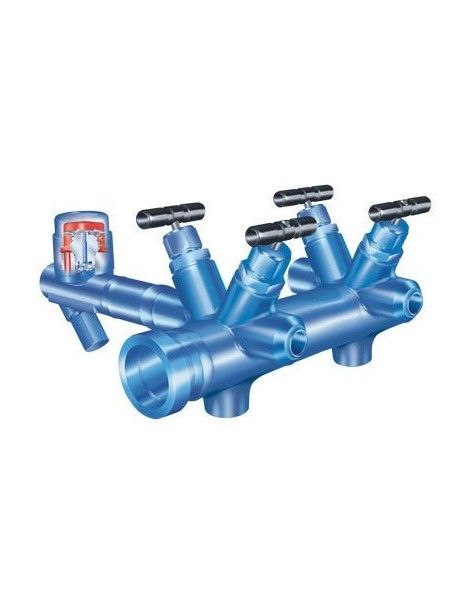
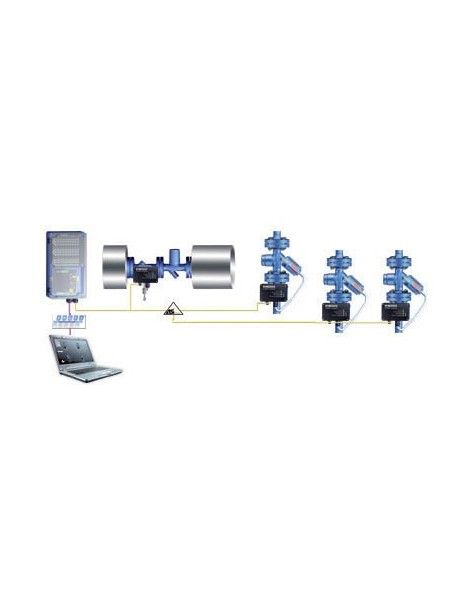
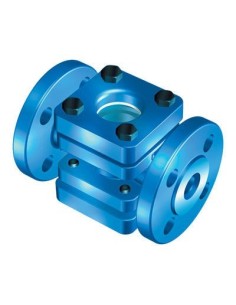
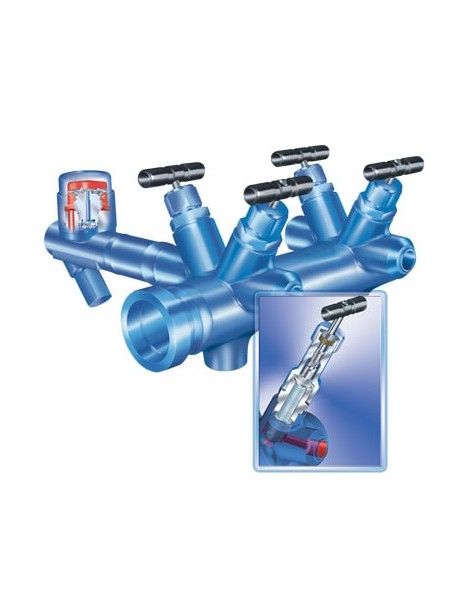
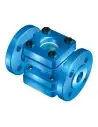
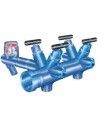
In systems with multiple drainage points, receivers, condensate manifolds, sight glasses, and Cona Control monitoring systems support functional checks, identification of steam leakage or blockage, and condition-based maintenance. Where condensate must be returned from low pressure to a higher-pressure header, mechanical condensate pumps are used. These operate without electrical power and are available in materials such as P235GH, P250GH, P265GH, and 1.4571, with typical service temperatures up to 200°C.