
| DGRL 2014/68/EU (PED Pressure Equipment Directive) | |
| TRB 801 Annex II No. 45 | |
| TRD 201 (Welding of components made of steel, manufacturing - inspection) | |
| AD 2000 | |
| DIN 3230 T1/T2/T3 (Technical conditions of delivery for valves) | |
| DIN EN 729-3 (Quality requirements of weldings) |


Float & thermostatic steam trap - CONA S | ARI

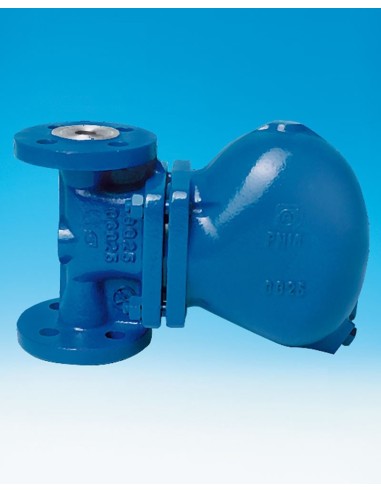
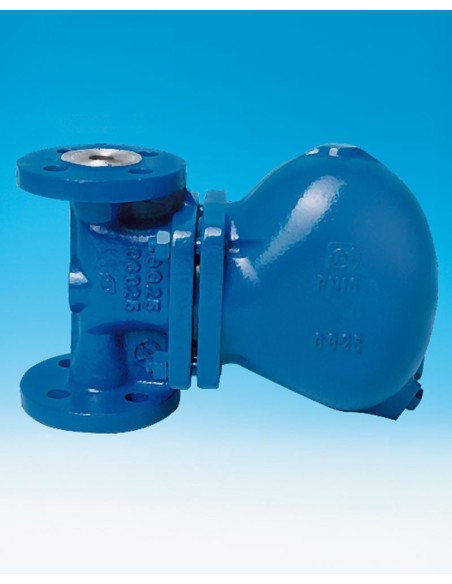
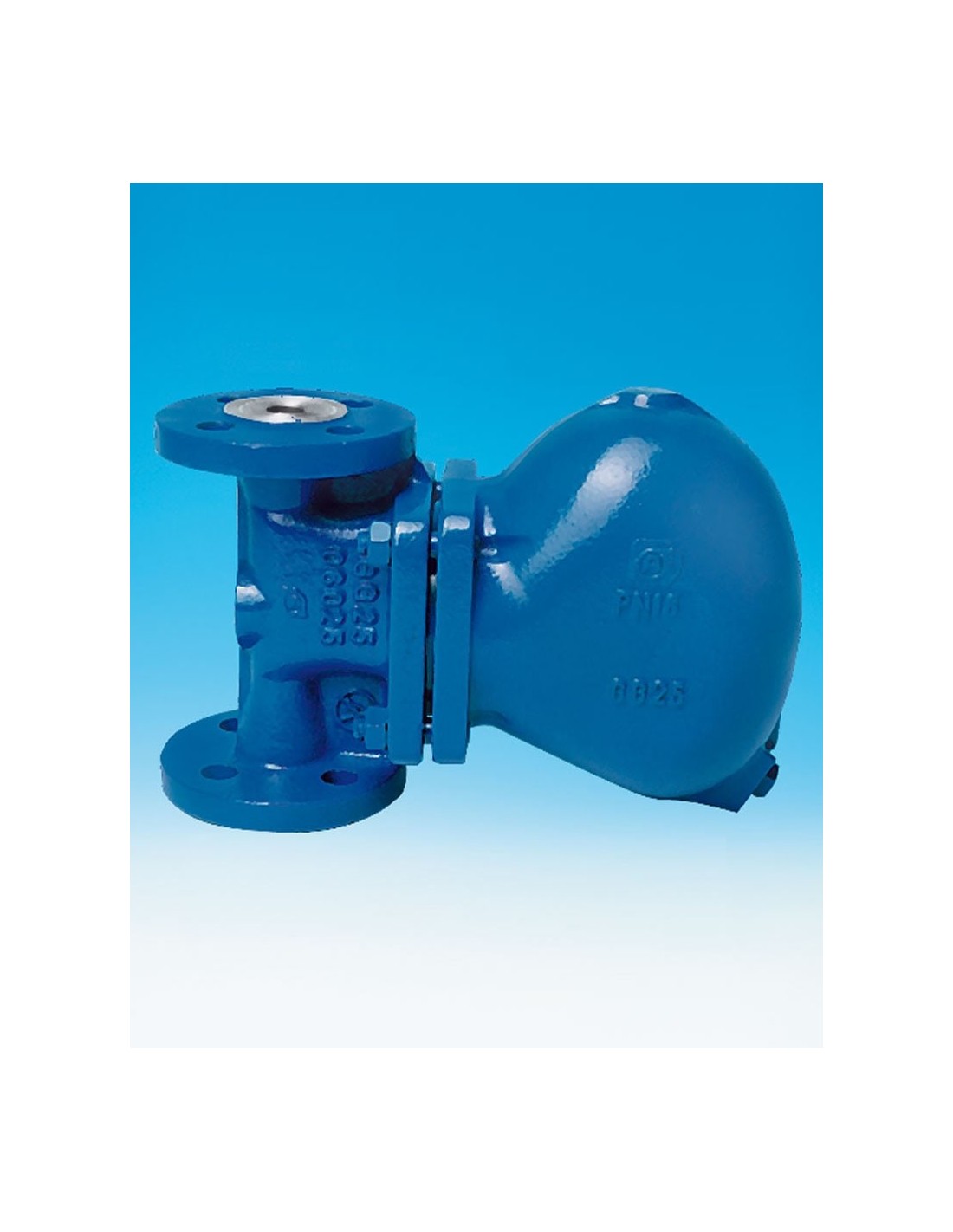
ARI CONA S Float Steam Trap
The ARI CONA S is a mechanical float steam trap designed for continuous condensate removal from industrial steam networks. The float regulates condensate levels, while the integrated bimetallic element opens during startup to remove air and non-condensable gases; control is transferred to the float mechanism above 90 °C.
Versions and Operating Limits
- PN16 / PN40, DN15–DN100, series 631.
- PN63 / PN100, DN15–DN50, for higher pressures and temperatures.
- PN160, DN15–DN50, and angular arrangement series 632.
- Materials: EN-JL1040, EN-JS1049, 1.0460, 1.0619+N, 1.4541, 1.4308, depending on version.
- Inlet temperature up to 525 °C in special high-temperature versions.
Connections and Standards
Available with flanges per DIN EN 1092-1/-2, Rp threads per DIN EN 10226-1, NPT per ANSI B1.20.1, socket weld per DIN EN 12760, and butt weld preparation per EN ISO 9692. Documentation indicates compliance with PED 2014/68/EU and related standards/rules such as AD 2000, TRD 201, and DIN 3230.
Applications
Suitable for:
- draining heat exchangers,
- steam heaters and coils,
- steam distribution lines,
- steam-jacketed tanks,
- processes with variable condensate loads.
No actuator required. Selection is based on condensate flow, available differential pressure, backpressure, DN, body material, and operating temperature.
Installation and Maintenance
Standard position is vertical, with horizontal installation possible on request. The vent pipe should be oriented upwards. During startup, check material, pressure, temperature, and flow direction; welding residues or contaminants in the piping can cause seat leakage.
FAQ
How does it differ from a thermodynamic steam trap?
The CONA S discharges continuously based on condensate level, without the cyclic operation of a disc.
When is a super-controller required?
For large flows with low differential pressure, mainly in DN40–DN100.
Datasheet and documents
Tests and certification
Tap to zoom