
| DGRL 2014/68/EU (PED Pressure Equipment Directive) | |
| TRB 801 Annex II No. 45 | |
| TRD 201 (Welding of components made of steel, manufacturing - inspection) | |
| AD 2000 | |
| DIN 3230 T1/T2/T3 (Technical conditions of delivery for valves) | |
| DIN EN 729-3 (Quality requirements of weldings) |


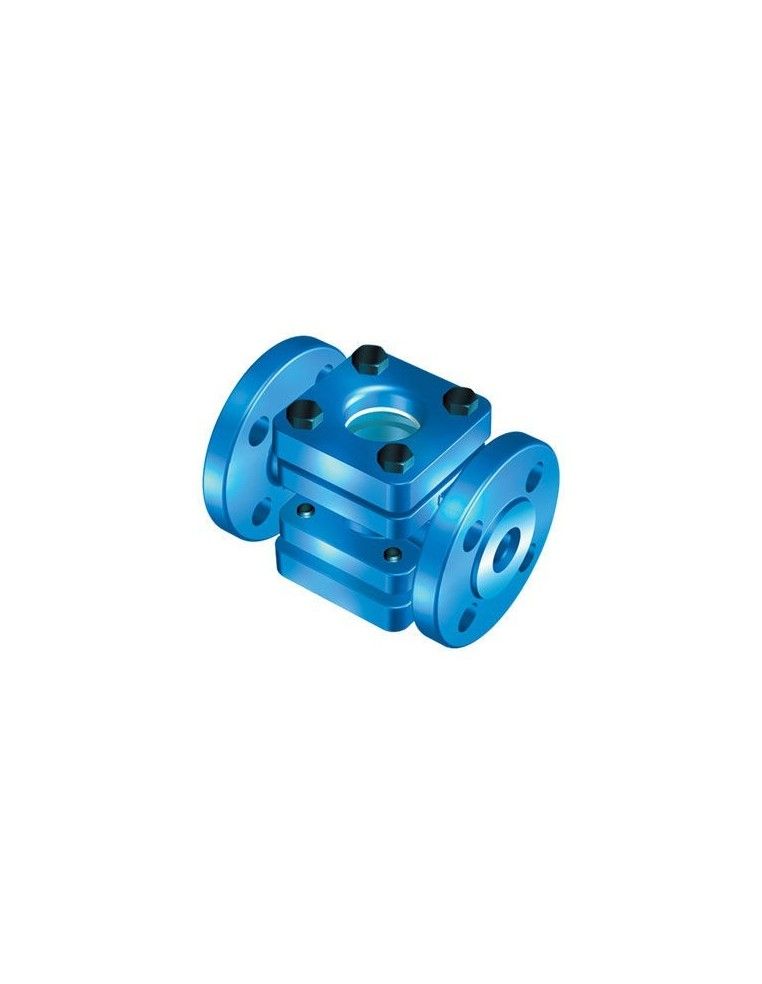
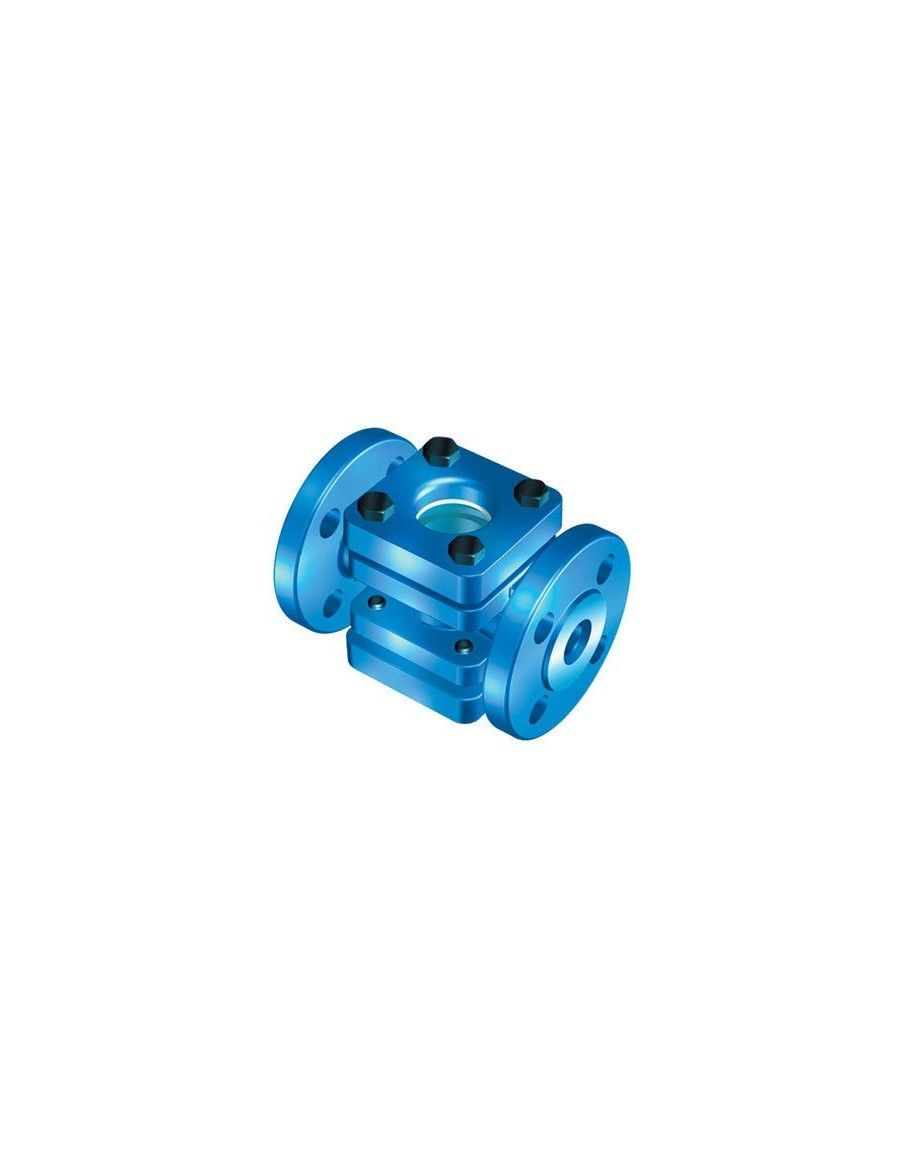
Double window sight glass | ARI

ARI BR660 Dual-Sided Flow Indicator
The ARI BR660 is a flow indicator featuring two borosilicate glass observation windows for visual flow inspection in pipelines. It has no moving parts and is primarily used for monitoring condensate, steam, and process liquids before steam traps or in lines requiring local flow indication.
Technical Specifications
- Nominal Pressure: PN16 or PN40
- Sizes: DN6–DN200 / 1/4"–8"
- Body Materials: EN-JL1040, 1.0619+N, 1.4408
- Connections: flanges, Rp/NPT thread, butt weld ends
- Temperature Limits: up to 120 °C at maximum pressure, up to 280 °C with pressure reduction
- Windows: borosilicate glass DIN 7080
- Gaskets: aramid fiber C4400 and graphite
- Standards: DIN 3237, DIN EN 1092, DIN EN 10226-1, ANSI B1.20.1, EN ISO 9692
Material Selection
Cast iron EN-JL1040 typically covers PN16 networks. Steel 1.0619+N is selected for higher pressure or temperature lines. Stainless steel 1.4408 is used for better compatibility with corrosive fluids or cleaner processes. Final selection should be confirmed against fluid, pH, pressure, and operating temperature.
Installation and Maintenance
The indicator can be installed horizontally or vertically, following the flow direction. In steam networks, it is placed before the steam trap to detect condensate overflow or steam flow with intense boiling. Before startup, check material, pressure, temperature, flow direction, and pipe cleanliness, as shavings and welding residues can cause leakage.
FAQ
Does it accept an actuator?
No. It is a passive visual monitoring component without an actuator.
When are seals replaced?
Seals are replaced during the replacement of glass windows. After startup, a careful retightening check is required.
Datasheet and documents
Tests and Certificates
Tap to zoom