
Ball Float and Thermostatic
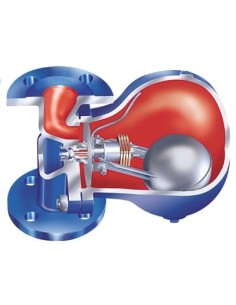
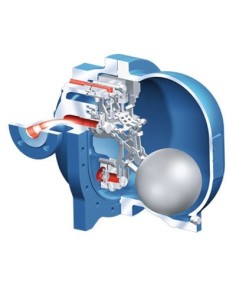
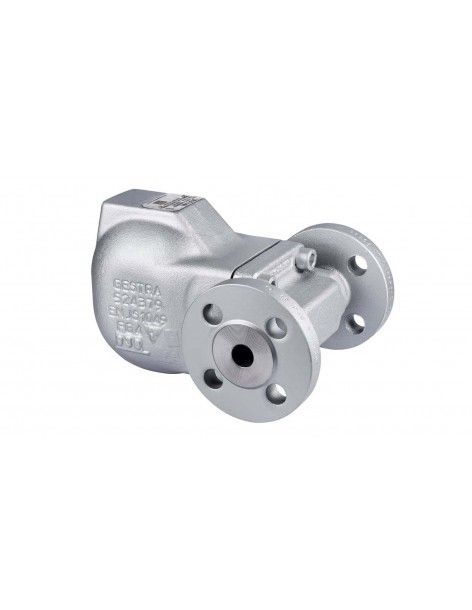
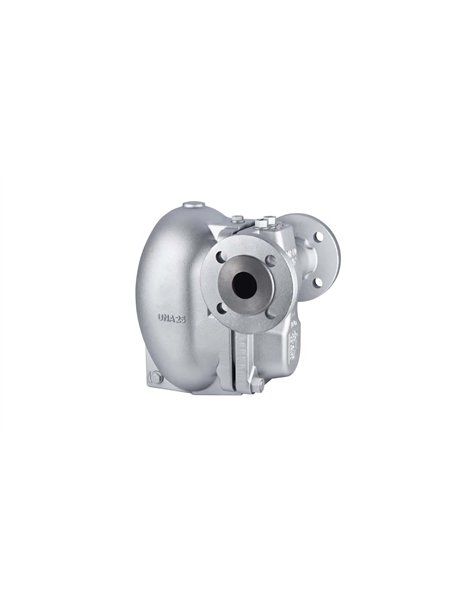
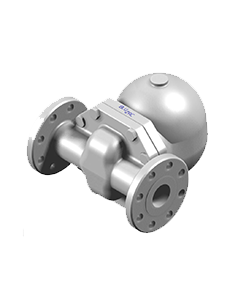
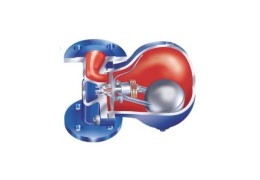
Float steam traps are used in industrial steam systems for continuous condensate removal, operating on liquid level rather than on temperature cycling. The float mechanically actuates the discharge valve as condensate level rises, while the thermostatic air vent removes air and other non-condensable gases during start-up. This category includes ARI CONA S, CONA SC / SC Plus, CONA P pump trap units, Gestra UNA, BLU ZAC BF, and Mankenberg KA Niagara series.
Float trap selection is based on condensate load, differential pressure, return line back pressure, maximum operating temperature, installation position, and venting requirement. In heat exchangers, heating coils, steam chambers, manifolds, and processes with variable load, continuous discharge limits condensate retention and reduces the risk of water hammer. Where differential pressure is low or negative, where condensate must be lifted to an overhead return header, or where return back pressure is high, float-operated pump trap versions should be considered.
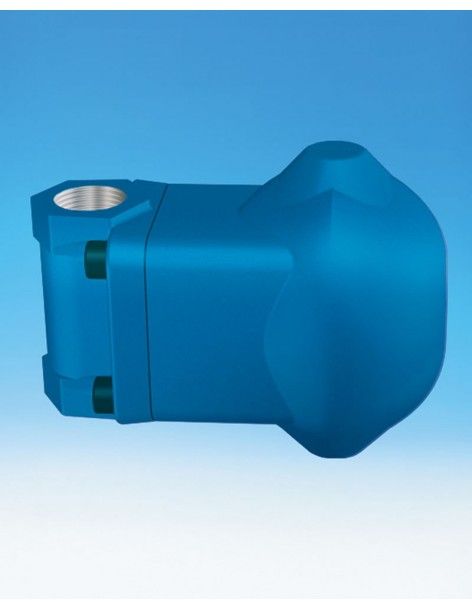
Available configurations include DIN and ANSI pressure ratings, with classes from PN16 up to PN160 and ANSI Class 600 / 900 depending on manufacturer and series. End connections include BSP, NPT, flanged, socket weld, butt weld, and union-weld ends, with reference to EN 1092-1/-2, EN 10226-1, ANSI B1.20.1, EN 12760, and EN ISO 9692. Body materials include cast iron, ductile iron, carbon steel, stainless steel, and elevated-temperature alloys such as 16Mo3 and 13CrMo4-5. Selection should also consider corrosion allowance, steam and condensate chemistry, maintainability of internals, air-binding behaviour, and shut-off tightness under varying load conditions.