
| DGRL 2014/68/EU (PED Pressure Equipment Directive) | |
| TRB 801 Annex II No. 45 | |
| TRD 201 (Welding of components made of steel, manufacturing - inspection) | |
| AD 2000 | |
| DIN 3230 T1/T2/T3 (Technical conditions of delivery for valves) | |
| DIN EN 729-3 (Quality requirements of weldings) |


Bimetallic steam trap - CONA B | ARI

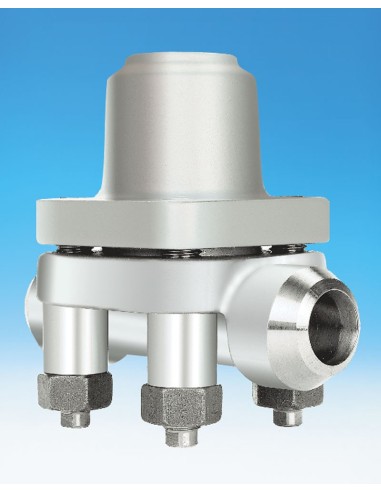
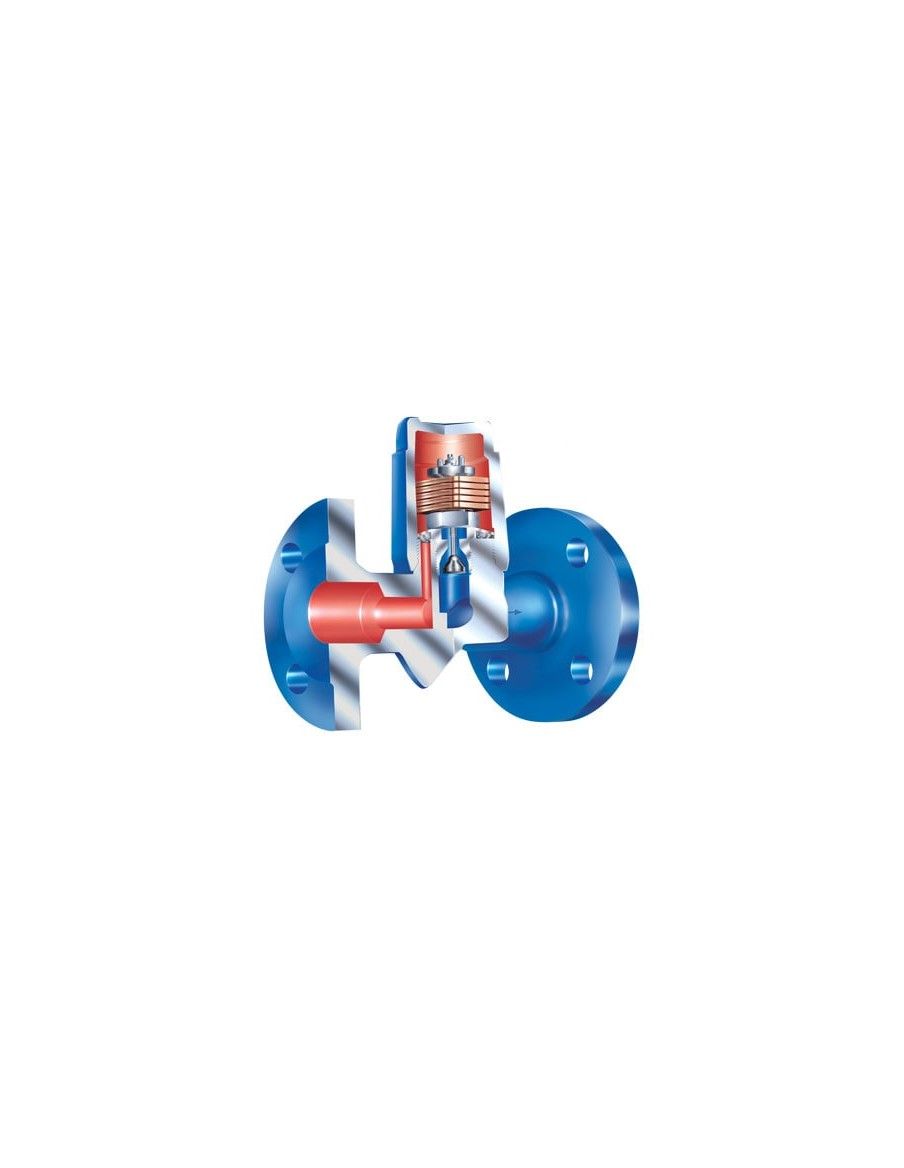
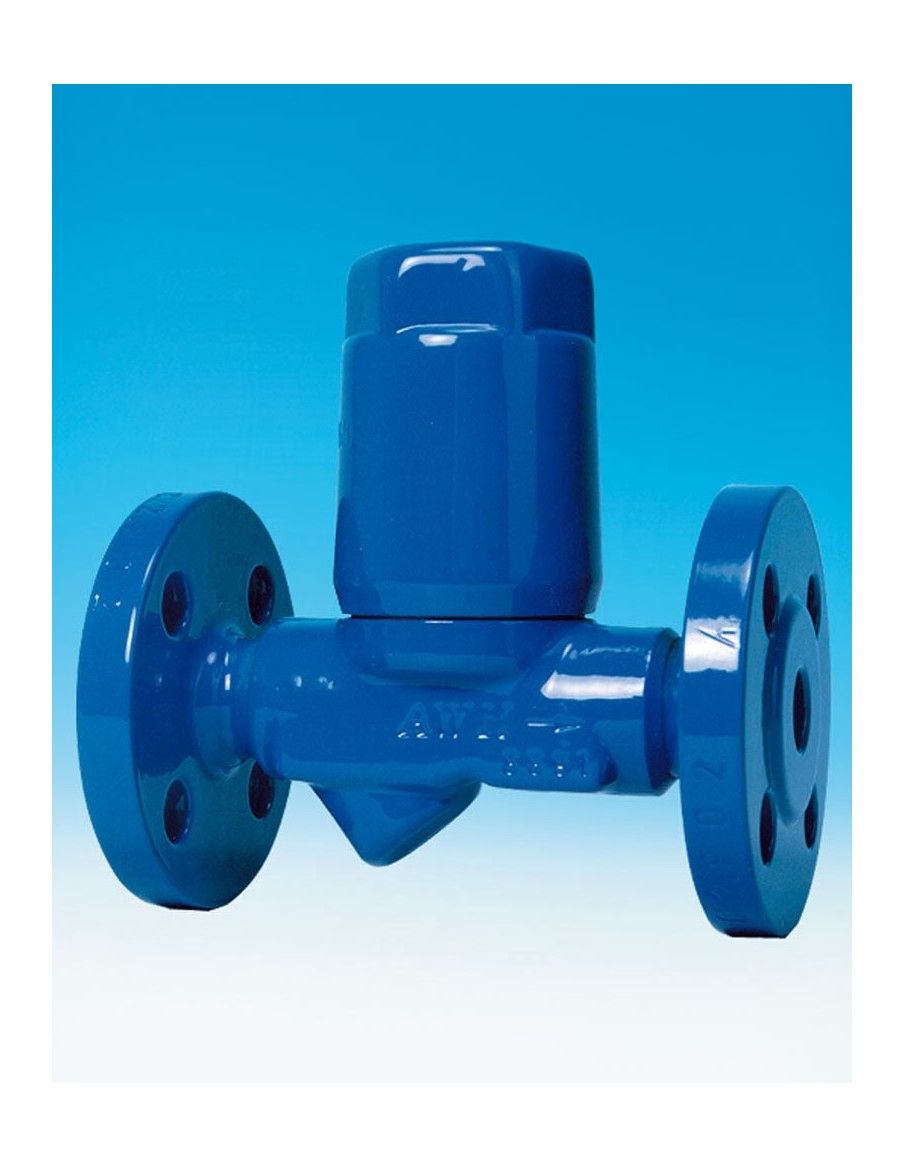
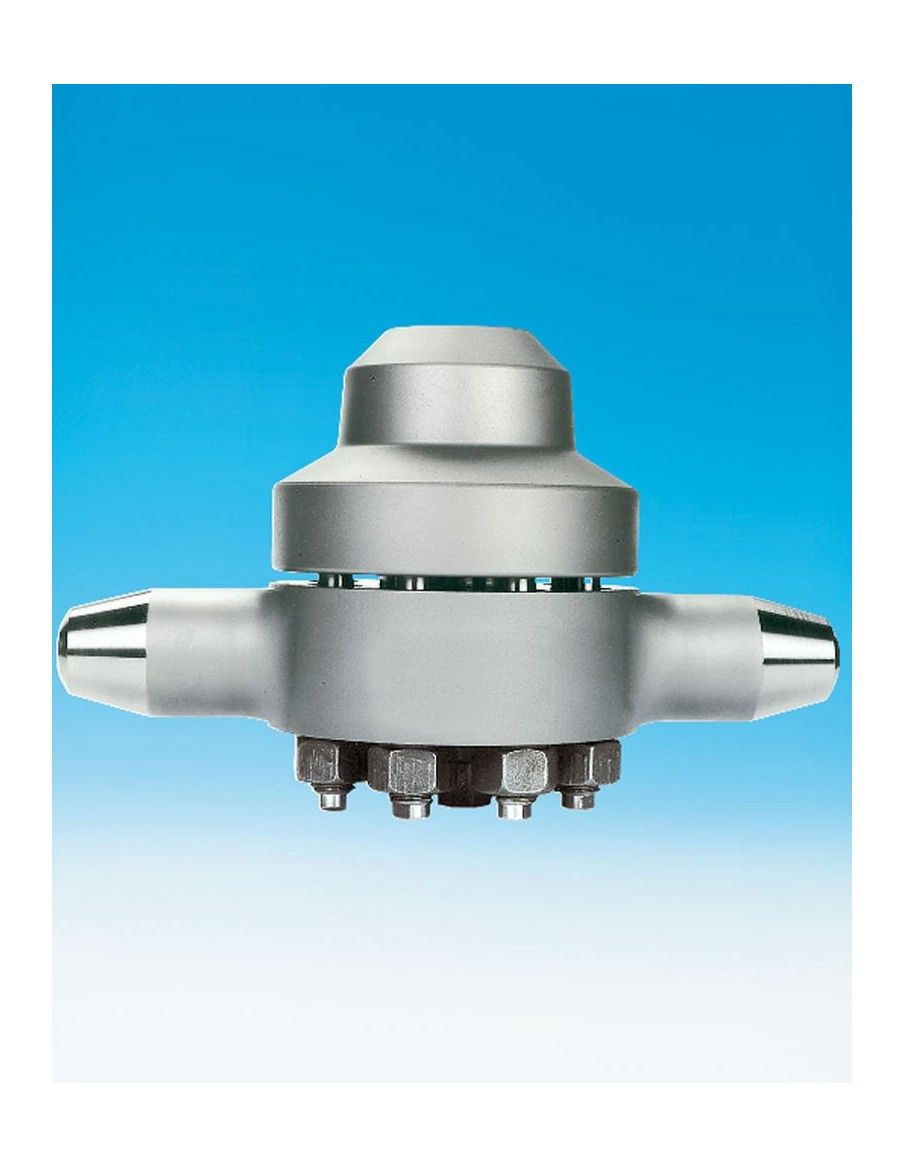
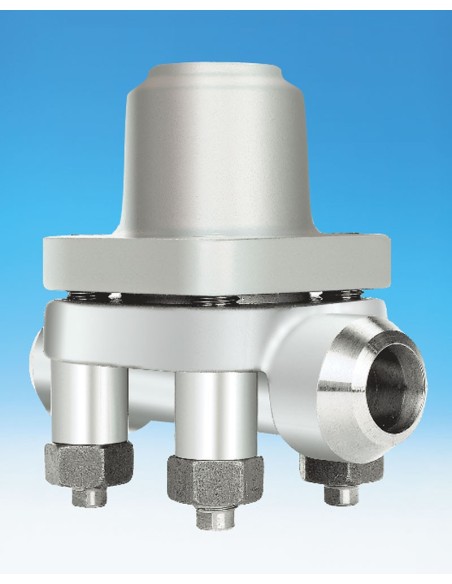
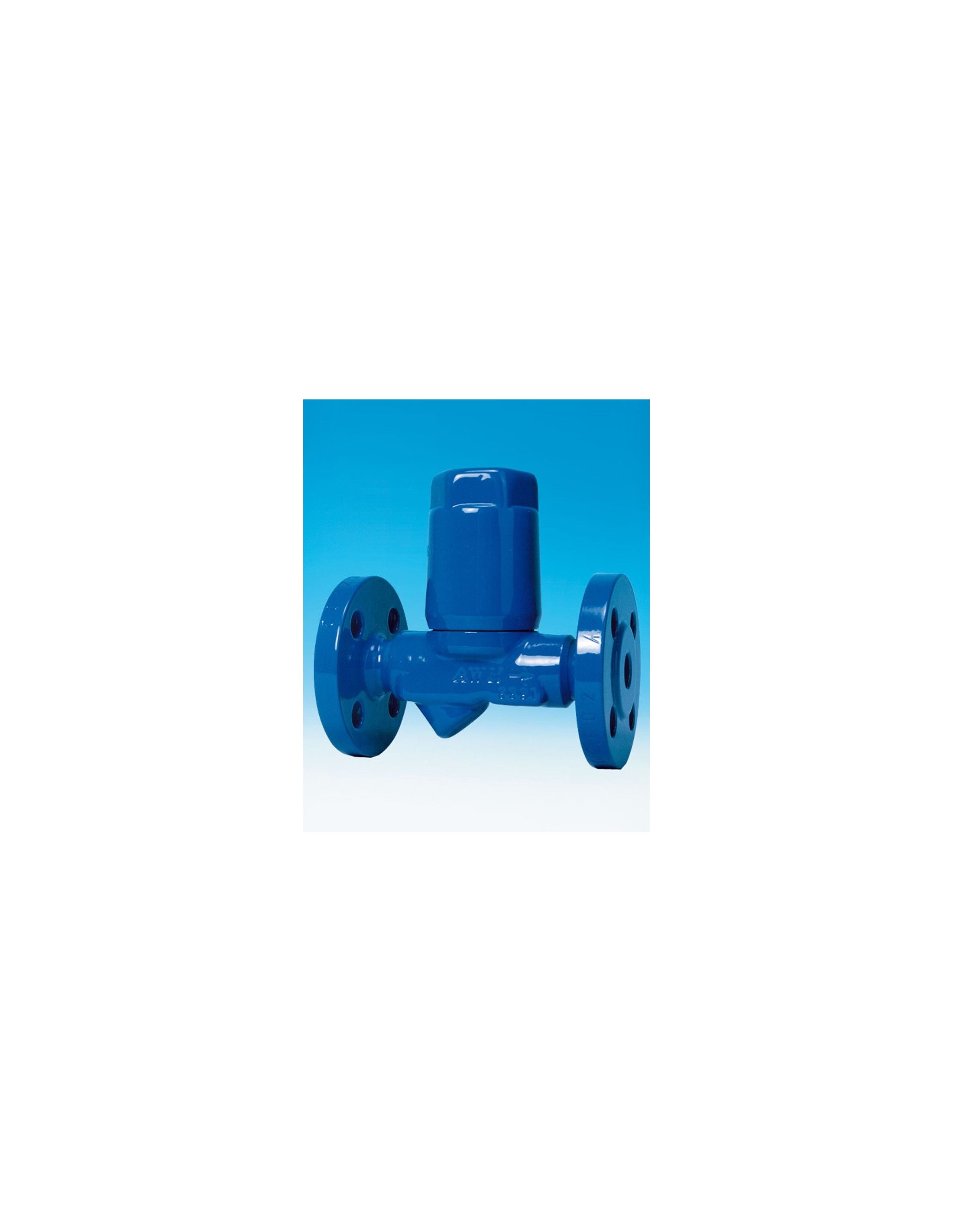
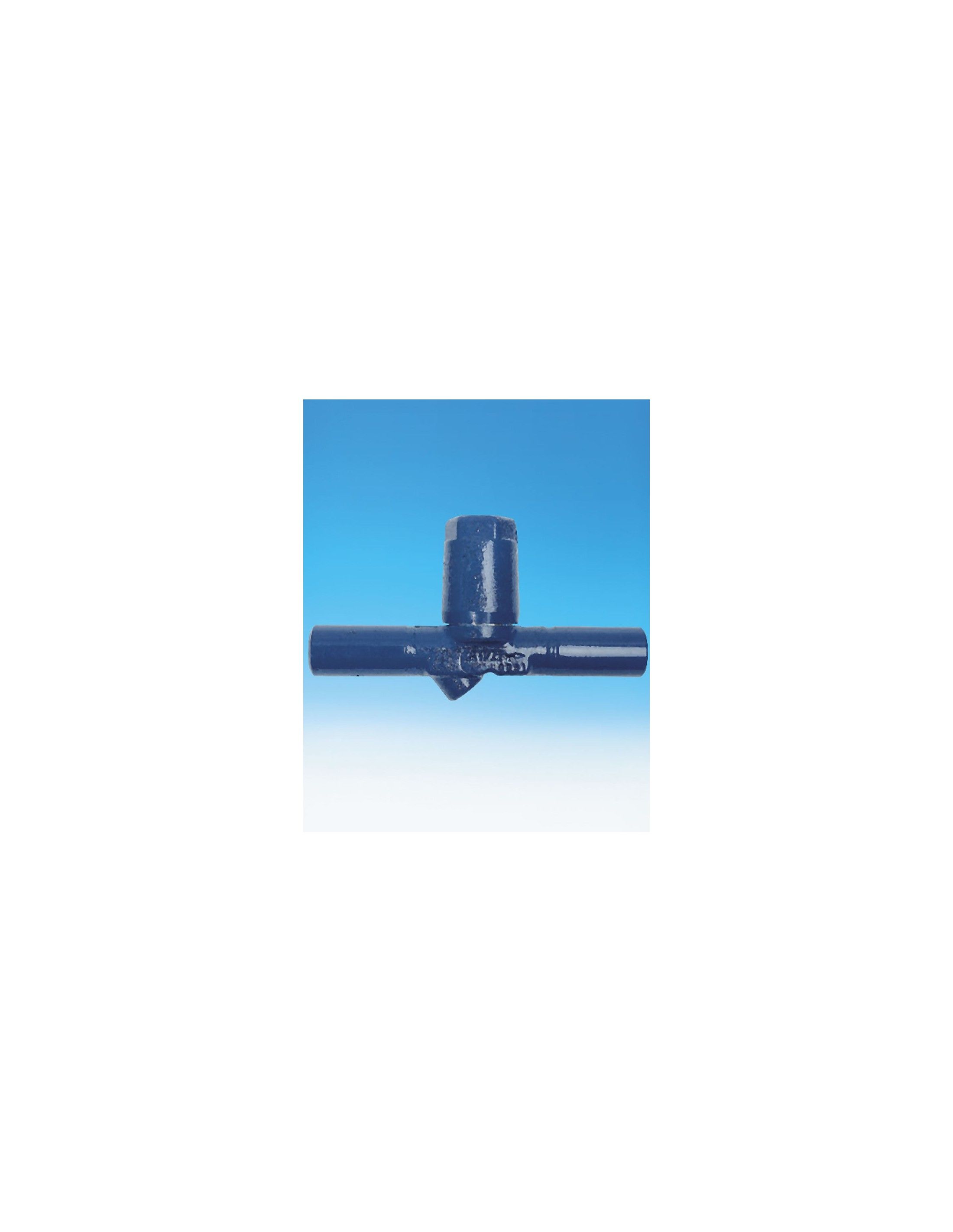
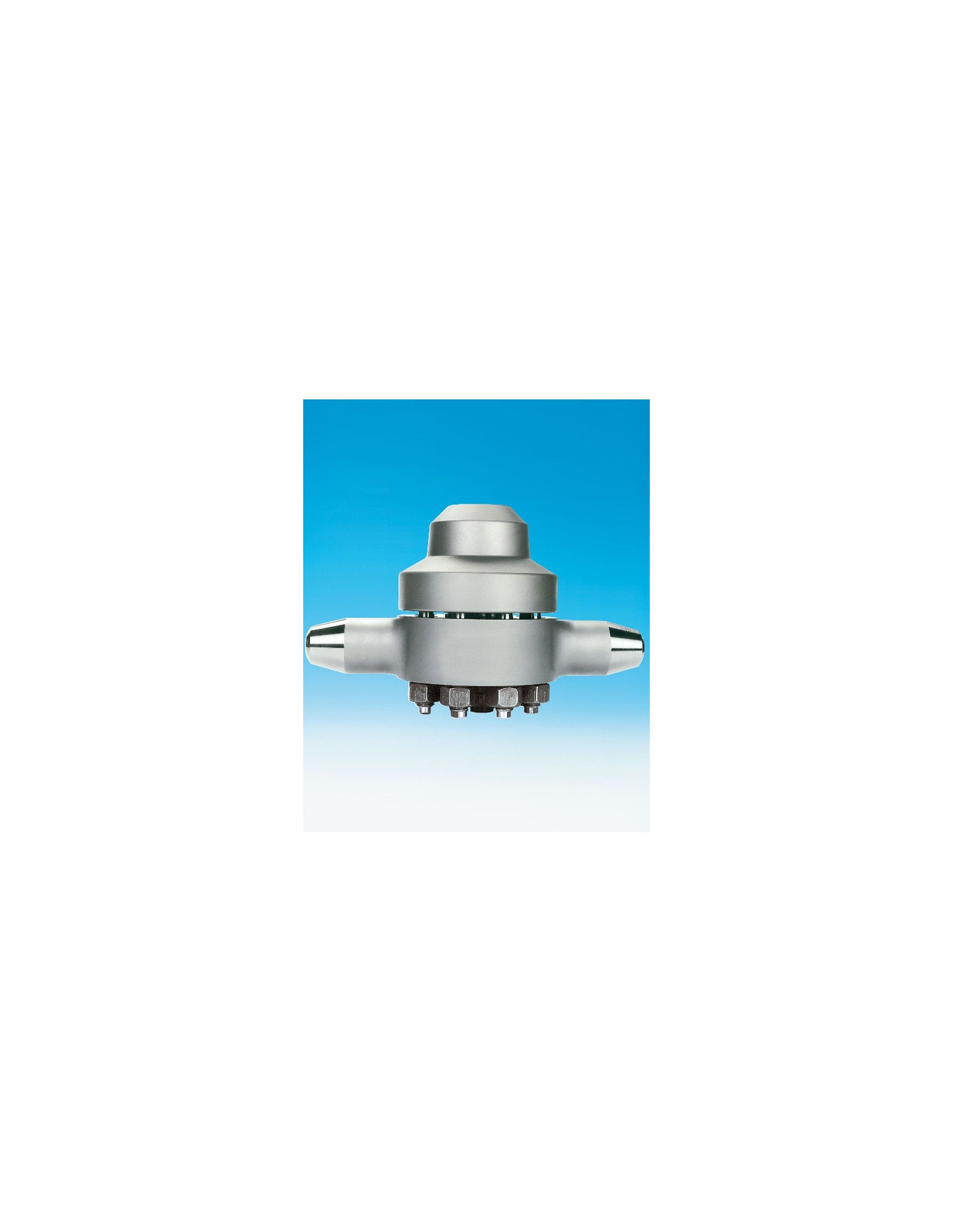
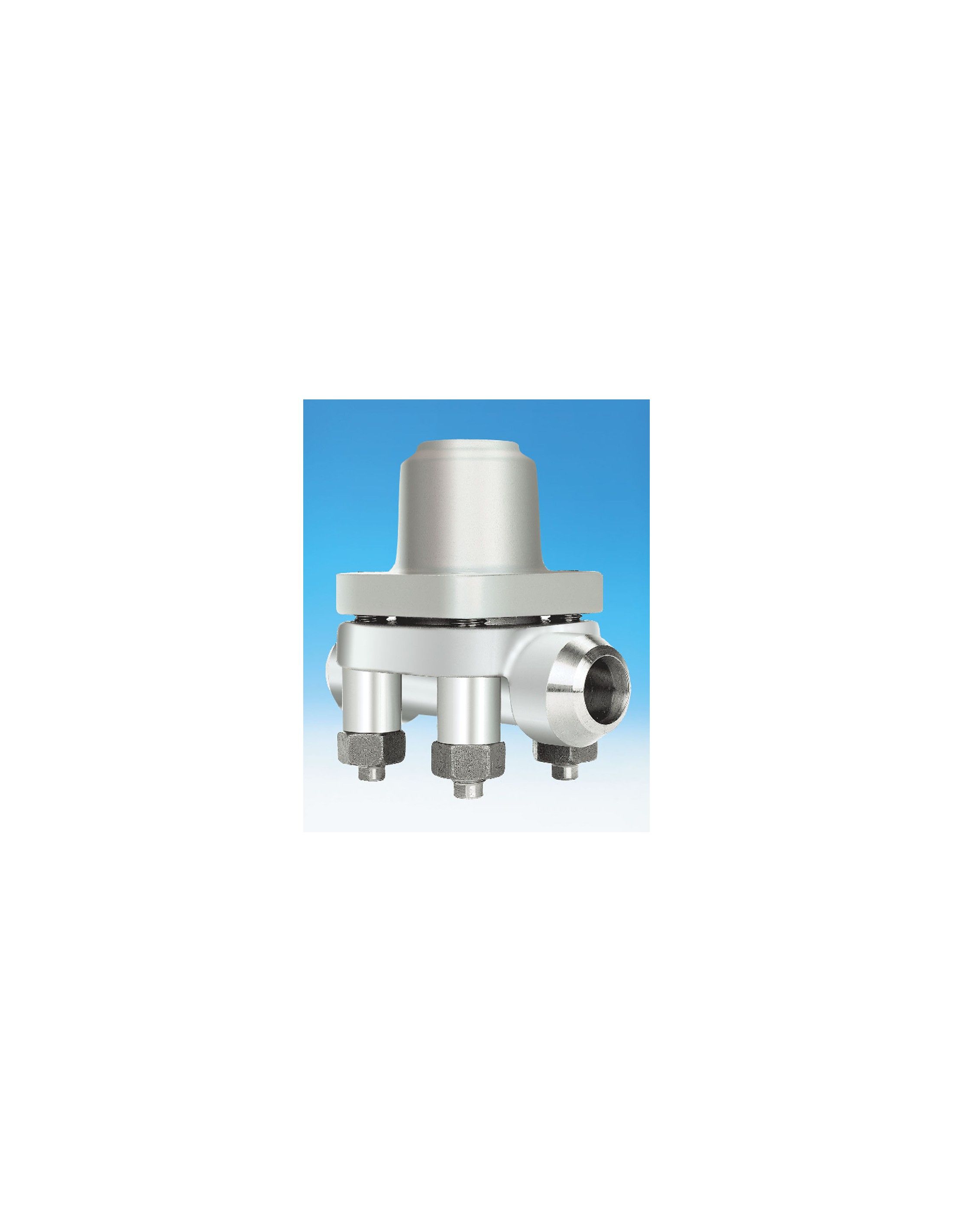
ARI CONA B – Bimetallic Thermostatic Steam Trap
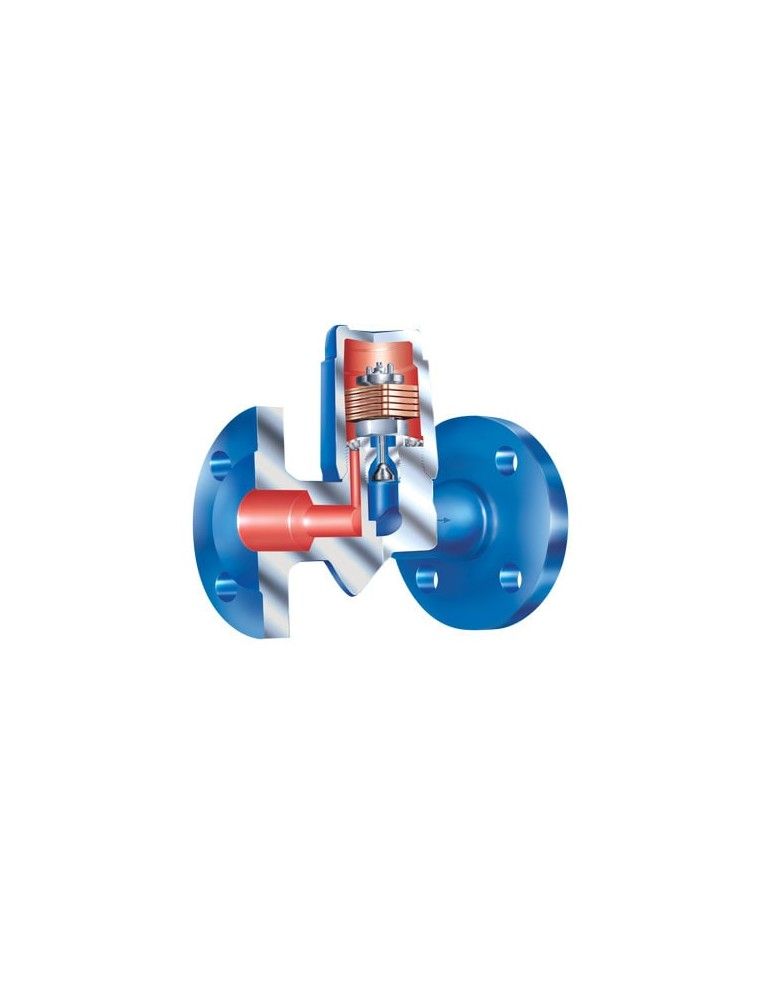
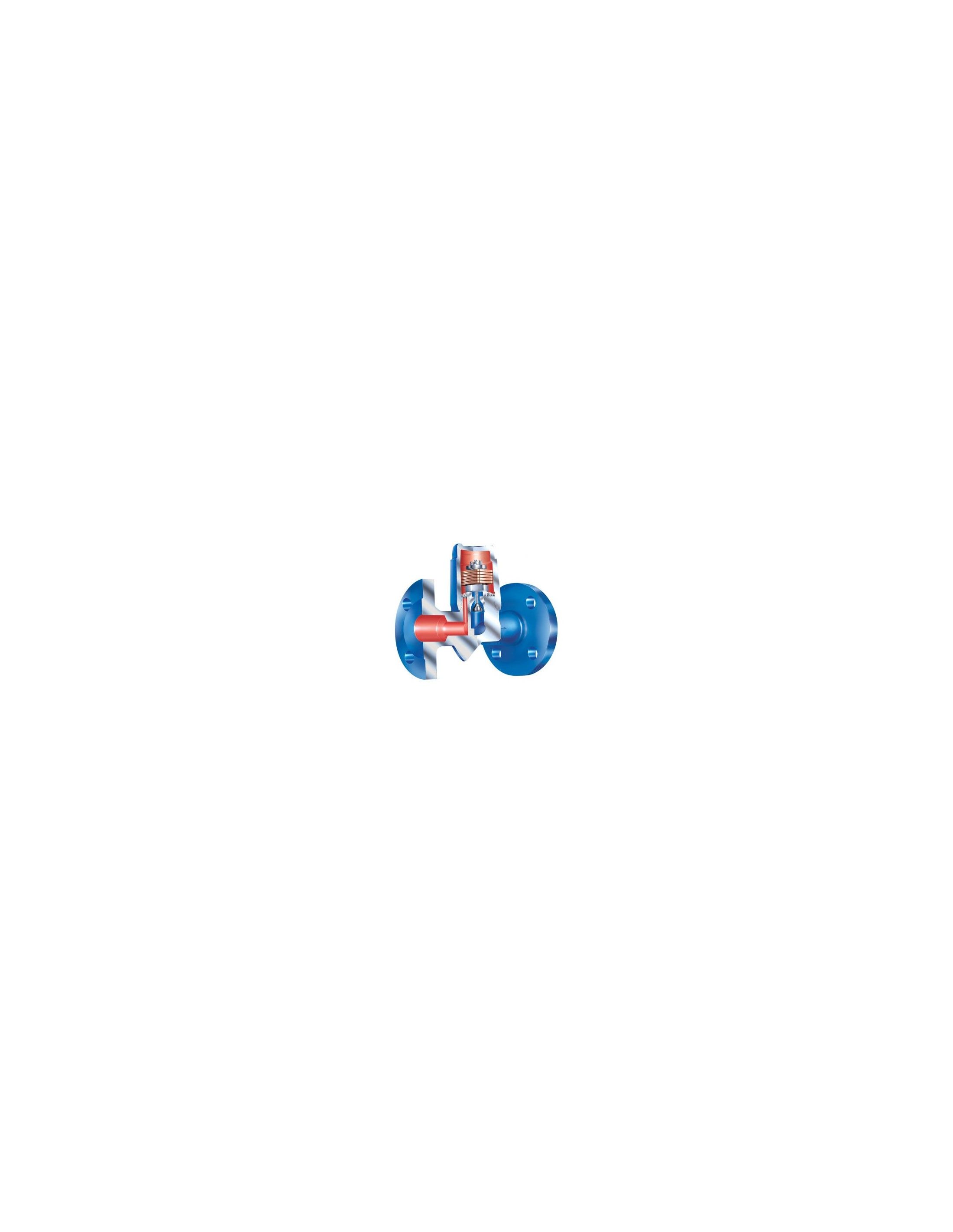
The ARI CONA B is a bimetallic thermostatic steam trap designed for discharging lightly to heavily subcooled condensate from steam networks. The bimetallic controller adjusts the valve position based on condensate temperature, with subcooling continuously adjustable according to operating instructions.
Versions and Operating Limits
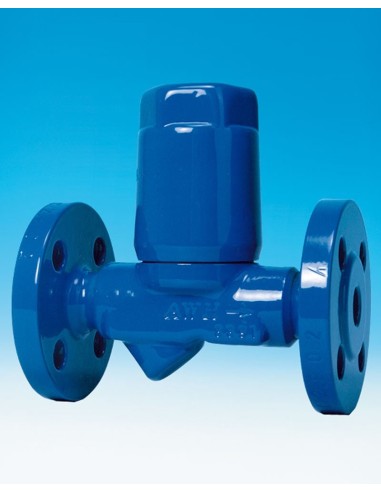
- CONA B 600 PN16: DN15–DN50, grey cast iron EN-JL1040, up to 12.8 barg / 200 °C.
- CONA B 600/601 PN40: DN15–DN50, materials 1.0460, 16Mo3 or 1.4541, with internal or external strainer.
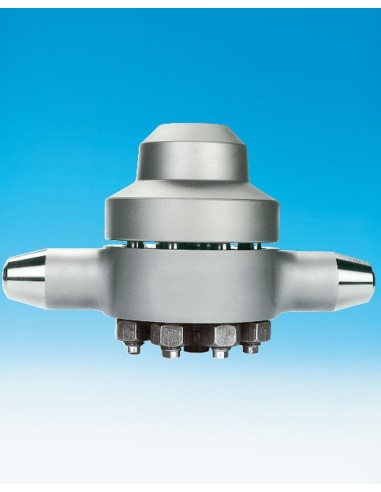
- PN63 / PN100: for higher pressures, mainly in high-temperature steel versions.
- PN160 to PN630: high-pressure versions for special steam applications, with materials like 10CrMo9-10 and X10CrMoVNb9-1.
Connections and Standards
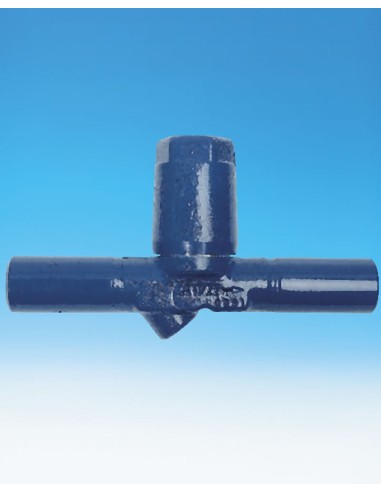
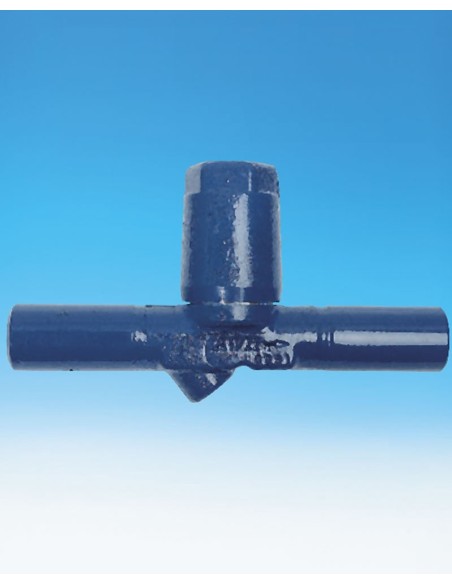
Available with flanges according to EN 1092-1/-2, threads Rp according to EN 10226-1 or NPT according to ANSI B1.20.1, socket weld according to EN 12760, and butt weld preparation according to EN ISO 9692. The series covers DIN and ANSI versions, depending on PN/Class and body material.
Operational Selection
The CONA B is selected when subcooled condensate discharge is acceptable, such as in:
- steam tracing,
- steam line drainage,
- points requiring automatic venting,
- applications with hydraulic shocks,
- lines requiring integrated check valve protection.
For heat exchangers that do not allow condensate accumulation, a float steam trap is usually considered.
Controllers and Supply
Controllers R13, R22, R32, R56, and R270 are selected based on inlet pressure and pressure class. Supply increases with subcooling, while tables differentiate between hot condensate near saturation, subcooled condensate around 30 K, and cold start-up condensate around 20 °C.
Maintenance
The controller can be replaced without disconnecting the piping. Installation is allowed in any position except cover or screwed cap downwards. In short-length welded versions, the bimetallic controller must be removed before welding.
Datasheet and documents
Tests and certification
Tap to zoom