
Steam Traps
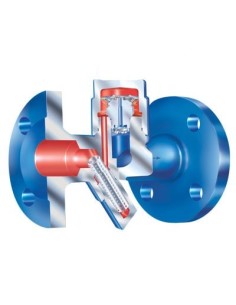
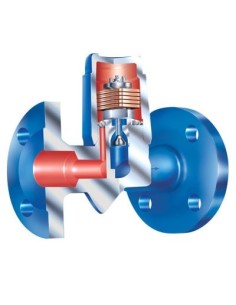
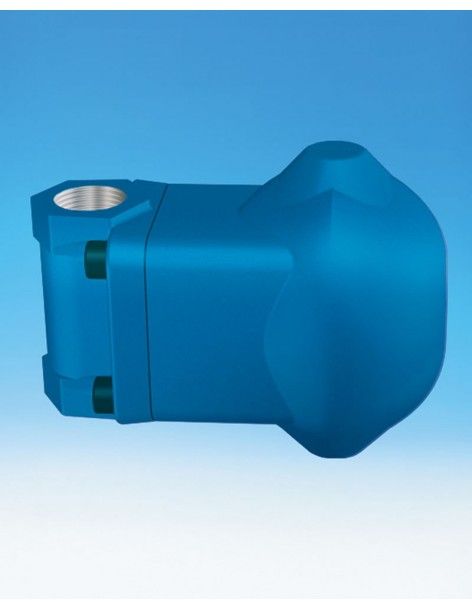
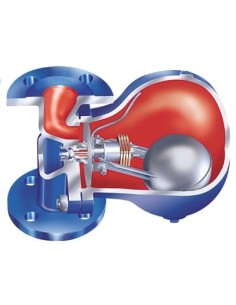
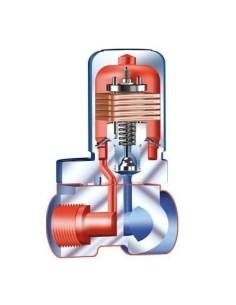
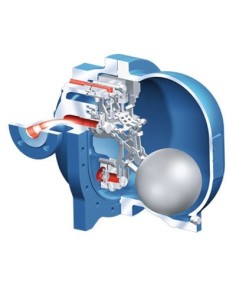
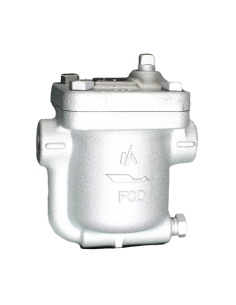
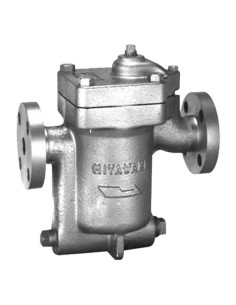
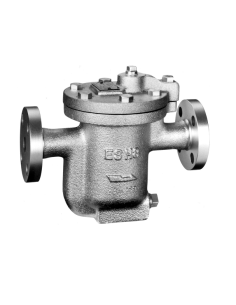
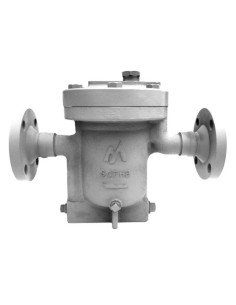
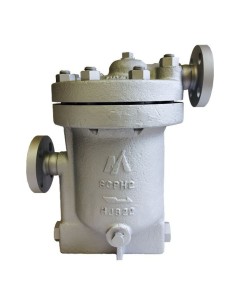
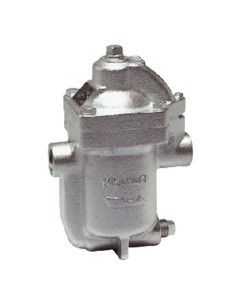
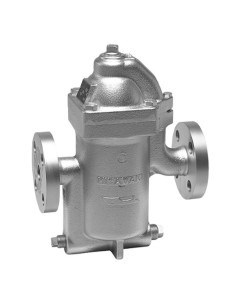
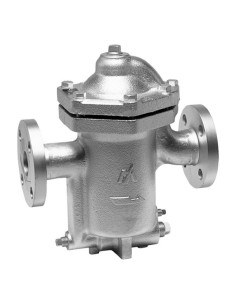
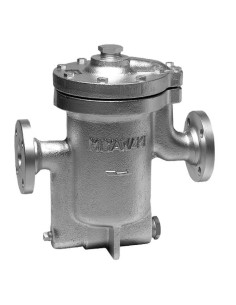
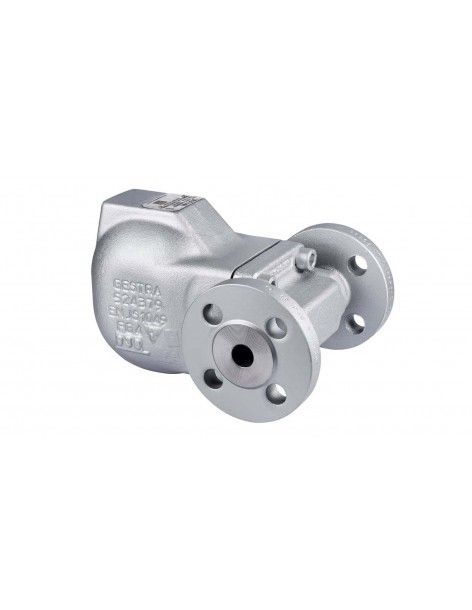
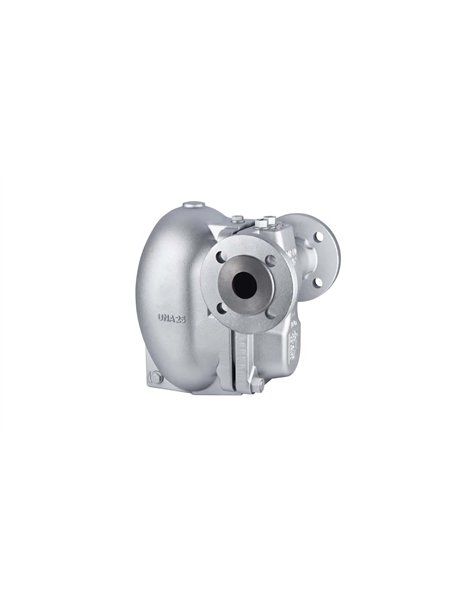
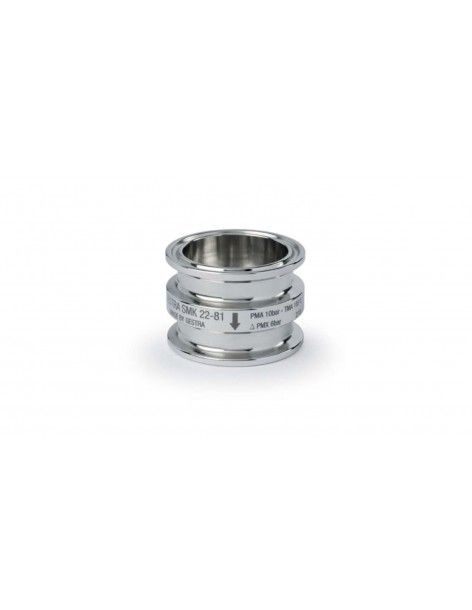
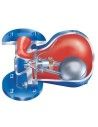
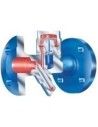
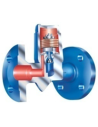
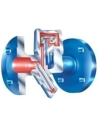
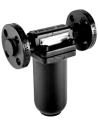
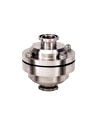
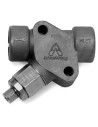
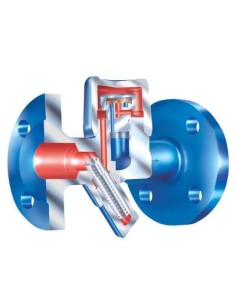
Industrial steam traps are used to discharge condensate and non-condensable gases from saturated steam systems, including steam mains, distribution lines, heat exchangers, process heaters, manifolds, and pipeline drain points. The category includes float-operated traps, inverted bucket traps, thermodynamic disc traps, thermostatic capsule traps, bimetallic traps, sanitary-pattern designs, and steam trap connectors for rapid replacement of trap elements.
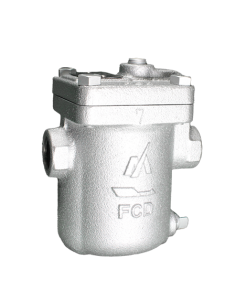
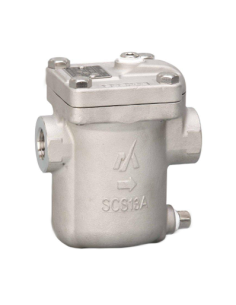
Selection is based on condensate load, differential pressure, return-line backpressure, startup behavior, air venting requirement, degree of condensate subcooling, and maintenance access. Float traps are generally applied where continuous condensate removal is required under variable load. Thermodynamic traps are commonly specified for steam distribution and tracing lines. Bimetallic and thermostatic designs are used where controlled subcooling is acceptable or required. Inverted bucket traps are selected where a robust mechanical operating cycle is preferred and resistance to water hammer is a consideration.
Available designs are manufactured to DIN, ANSI, and JIS standards, with pressure ratings ranging from low PN classes to higher PN, ASME Class, or JIS pressure classes, depending on trap type and body construction. End connections include BSP, NPT, flanged, socket weld, butt weld, union weld ends, and clamp fittings for hygienic service. Body and internals materials include cast iron, ductile iron, cast steel, carbon steel, stainless steel, and EN/ASTM alloy grades selected for compatibility with steam, condensate, oxygen-bearing startup conditions, and elevated thermal cycling. Selection should also consider failure mode, blow-through risk, allowable steam loss, maintainability, and leakage performance over the service interval.