
Condensate Pumps
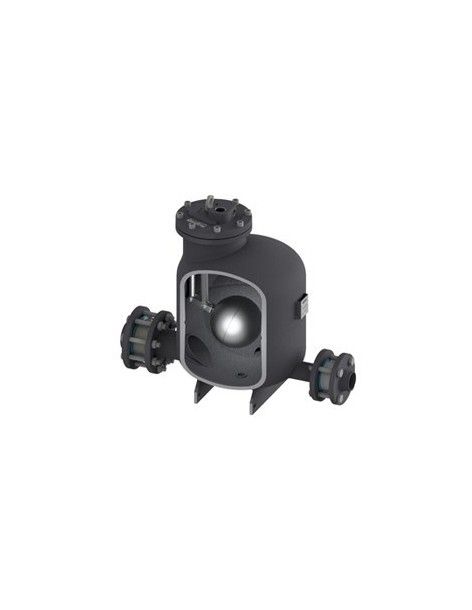
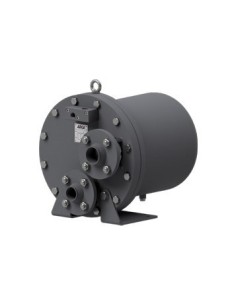
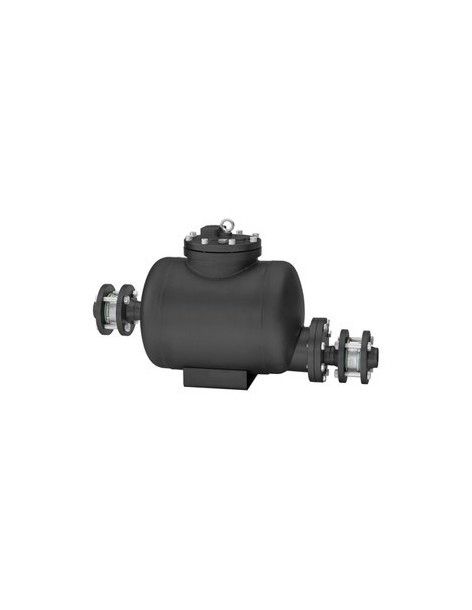
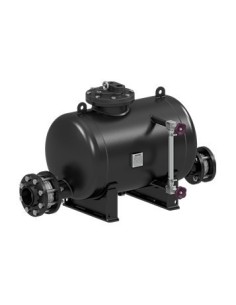
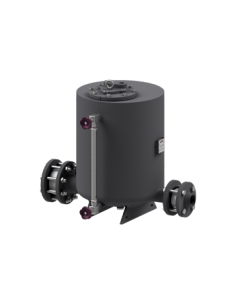
Condensate pumps are used in industrial steam systems to collect and transfer condensate to a receiver, boiler feed tank, or return line at higher pressure or elevation. Typical applications include heat exchangers, heating coils, steam traps operating with insufficient differential pressure, condensate recovery systems, and installations where gravity drainage is not sufficient for stable removal. The category includes ARI CONALIFT units and ADCA pump types POP, POPS-LC, PPT14, APST, PPA, PPO, and POP-CT.
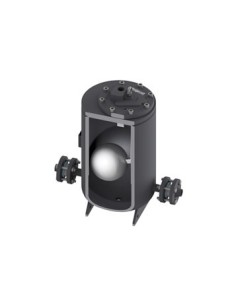
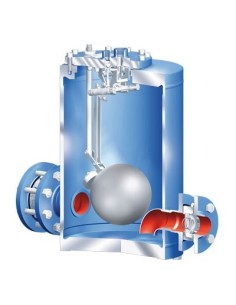
Pressure operated pumps work by cyclic filling of a body chamber followed by displacement of condensate using a motive fluid, typically steam, compressed air, or inert gas. They are applied where backpressure exists in the return main, where condensate must be lifted to a higher-level receiver, or where equipment operates at low pressure, under vacuum, or under variable thermal load. Selection is based on condensate load, required discharge head, motive fluid pressure, available filling head, return line backpressure, operating temperature, cycle frequency, and material compatibility with condensate, water, oils, or other non-hazardous liquids.
Available versions cover DIN and ANSI configurations, with flanged connections to EN 1092-1 PN16 and ASME B16.5 Class 150, and ISO 7 Rp threaded connections on selected models. Materials include carbon steel, stainless steel, cast steel, EN-JS 1049, P235GH, P250GH, P265GH, and 1.4571 depending on series. For ADCA POP units, stated sizes are DN25 to DN80, with motive pressure up to 10 bar, operating temperature up to 185 °C, and capacity up to 6080 kg/h. For ARI CONALIFT, automatic operation without electrical power is specified, with operating temperatures up to 200 °C in selected configurations.