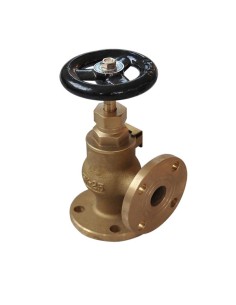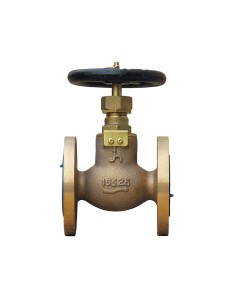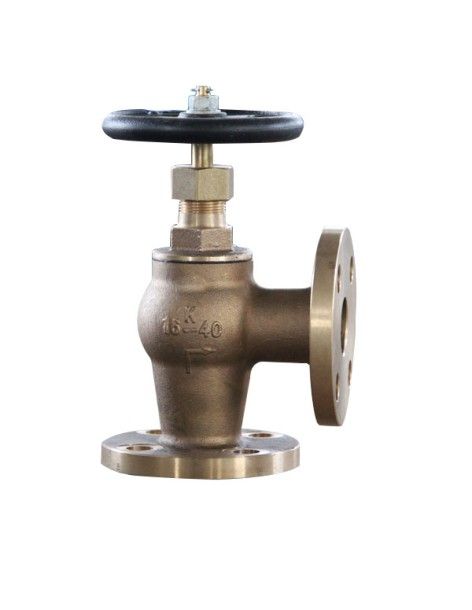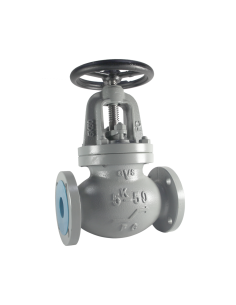

Marine Equipment
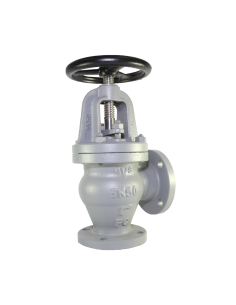
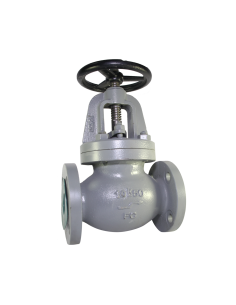
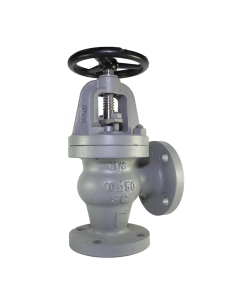
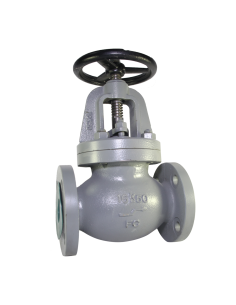
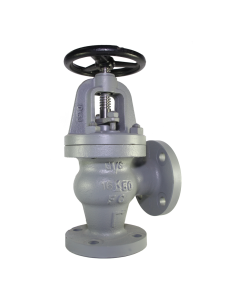
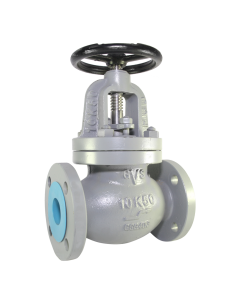
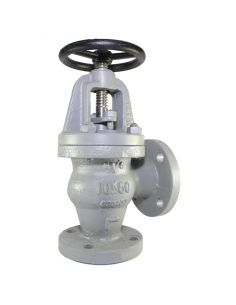
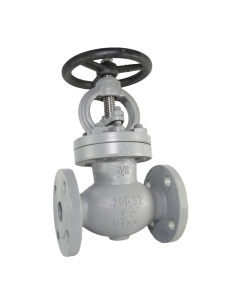
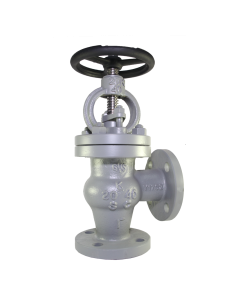
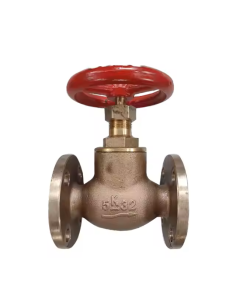
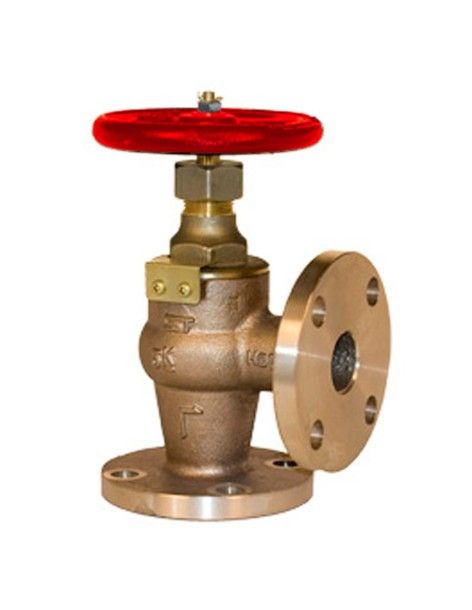
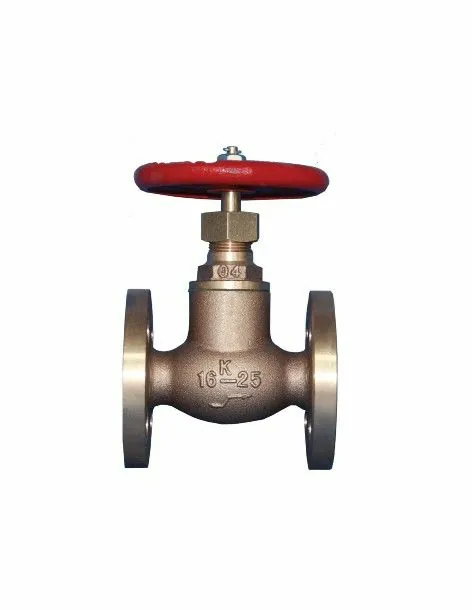
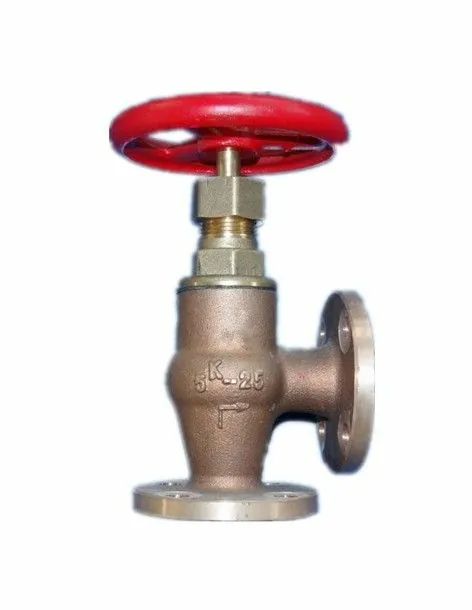
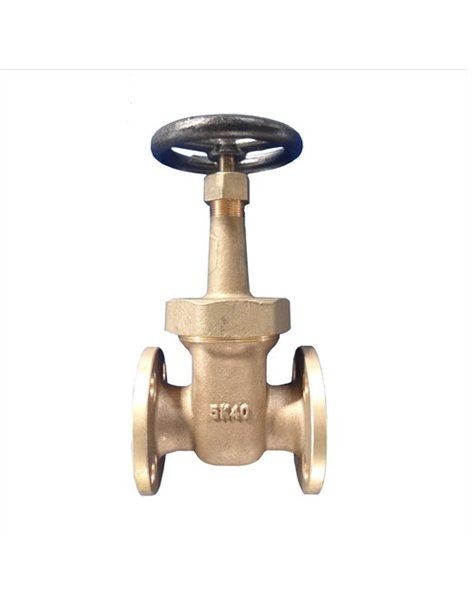
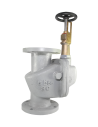
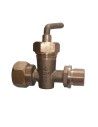
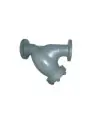
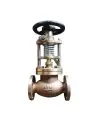
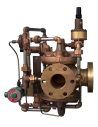
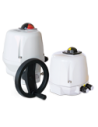
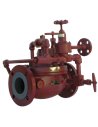
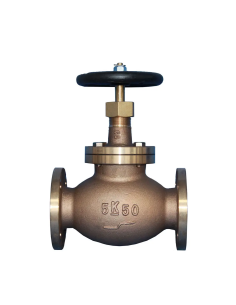
Marine valve and piping equipment includes isolation, check, control, fire protection, drain, and fuel service valves, together with strainers, separator filters, and actuators for shipboard piping, engine rooms, and auxiliary marine systems. Selection should be based on the process medium, installation location, exposure to seawater corrosion, design pressure, operating temperature, flow direction, shutoff requirement, and end-connection standard. The range includes executions to JIS 5K, 10K, 16K, and 20K, in materials such as brass, cast iron, and cast steel.
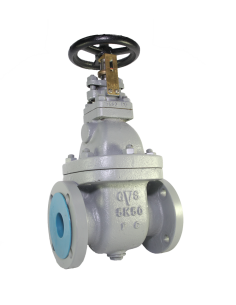
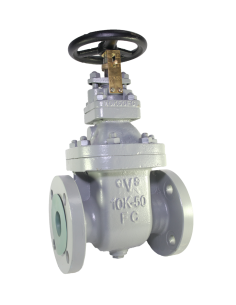
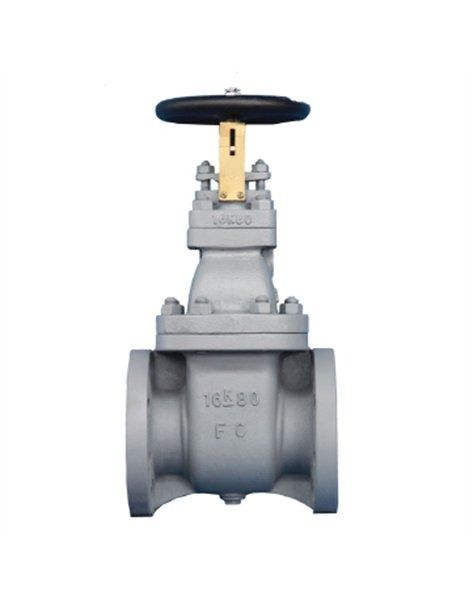
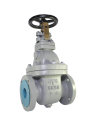
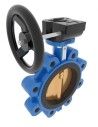
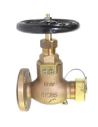
Hose valves, gate valves, and butterfly valves are used for isolation or manual throttling in seawater, fresh water, fuel, air, bilge, ballast, and utility lines. Gate valves are generally applied for on/off duty where low pressure loss is required in the fully open position. Butterfly valves are typically selected for larger diameters or where face-to-face length must be minimized.
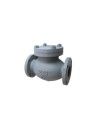
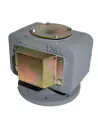
Check valves, flap-type non-return valves, hydraulically controlled check valves, and shell-side flap valves are used to prevent reverse flow, seawater ingress, and back pressure transmission. Selection should consider cracking pressure, available differential pressure, installation orientation, pump pulsation, and water hammer risk.
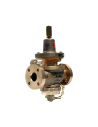
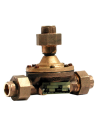
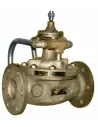
For fire-fighting, deluge, and pressure control systems, the scope includes fire valves, deluge valves, pressure reducing valves, relief valves, and differential pressure valves. In ballast, fuel oil, and bunkering service, typical applications include ballast control valves, drain or emergency fuel shutoff valves, automatic fueling/defueling valves, and water-separating fuel filters.
Maintenance should include inspection of seals, seats, discs, stems, gaskets, corrosion condition, actuator or gearbox operation, and strainer cleanliness, with service records maintained for each critical marine circuit.