
Check Valves
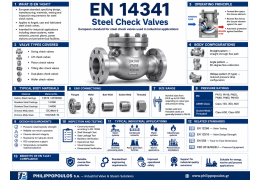
Marine check valves are used to prevent reverse flow automatically in shipboard piping systems, protecting pumps, heat exchangers, tanks, drain lines, and auxiliary equipment from backflow and hydraulic shock. Selection should be based on flow direction, minimum available differential pressure required for opening, flow velocity, installation orientation, service medium, and compatibility with the vessel’s piping standard.
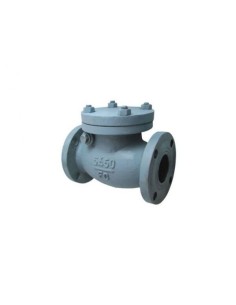
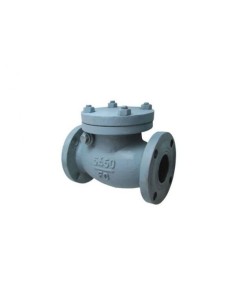
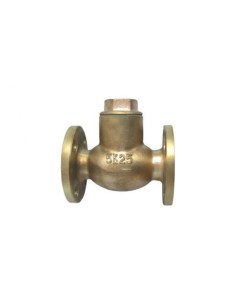
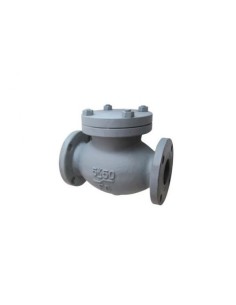
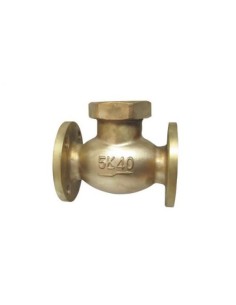
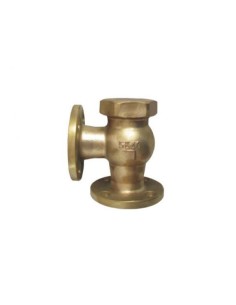
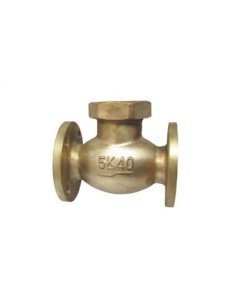
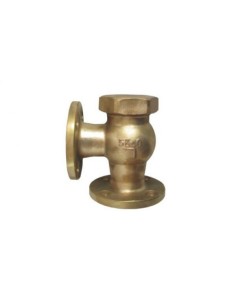
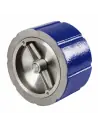
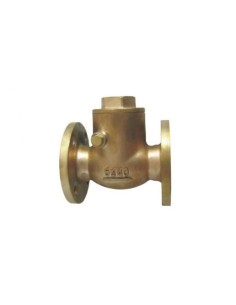
This category includes swing check, disc check, diaphragm check, and hydraulically controlled non-return valves. JIS swing check valves are available in bronze and cast iron construction, with flanged ends and pressure classes 5K, 10K, and 16K, including types F7371, F7372, F7373, F7356, F7358, and union bonnet versions F7415-F7418.
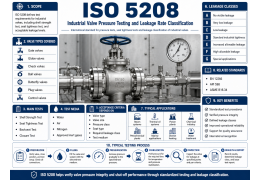
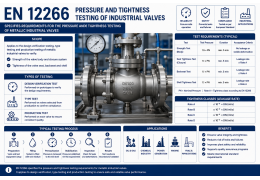
Bronze versions are typically specified for smaller nominal sizes and auxiliary water services where resistance to the marine environment is required. Type F7371 is referenced to JIS F7371-1996, with testing to JIS F7400-1996 and body hydrostatic test pressure of 1.05 MPa for 5K service. Cast iron versions are used for larger general-service line sizes; type F7373 in JIS 10K is specified with FC200 body, BC6 seat and disc, body test pressure 2.1 MPa, and seat test pressure in the 1.54-0.4 MPa range.
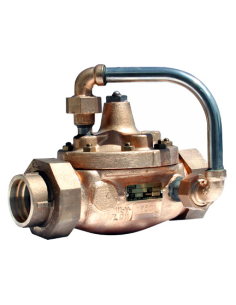
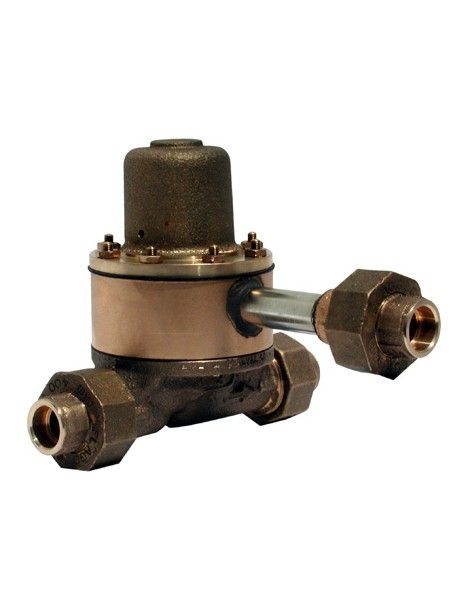
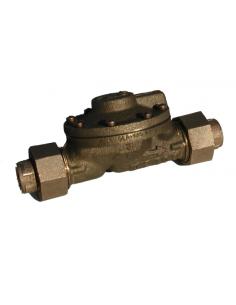
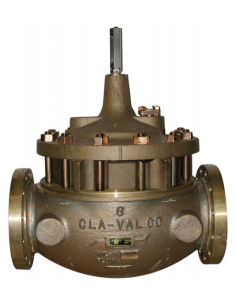
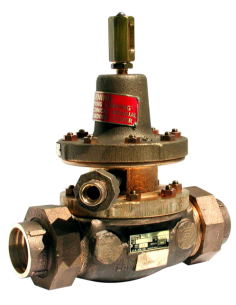
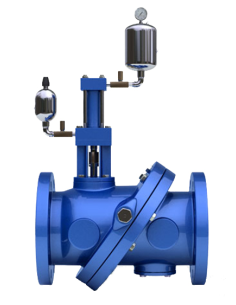
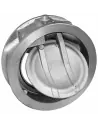
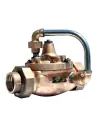
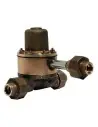
For lines where closing dynamics are critical, Cla-Val disc, diaphragm, or hydraulically actuated designs should be evaluated for head loss, closing characteristic, and maintenance requirements. Cla-Val type 586 is identified as a pivoting disc check valve with ANSI flanged connection, ductile iron body, and pressure classes 125, 150, 250, and 300 lb.
During selection, the engineer should verify suitability for horizontal or vertical installation, access to cover or union bonnet for inspection, wear of seat and disc components, shutoff tightness under low backpressure, and the risk of noise, slam, or surge during closure.