
Diaphragm check Valves
Marine diaphragm check valves are used in systems where reverse-flow prevention must be achieved with fast response and without external power. Their operation is based on a diaphragm and a lift-type check element, with internal hydraulic communication that permits opening in the correct flow direction and closure when differential pressure drops or reverses. This operating principle is used in fire protection, AFFF, water injection, and other naval service systems where media backflow can affect actuation sequence, system integrity, or downstream equipment protection.
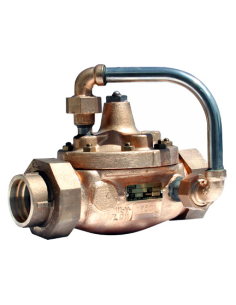
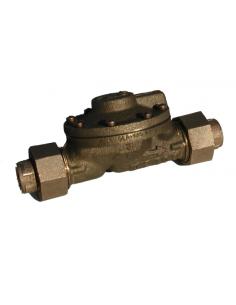
This category includes Cla-Val 81M-3 and 81M spring-loaded, diaphragm-operated lift check valves. The 81M-3 is specified for missile booster suppression, water injection, and AFFF systems on surface vessels, with construction referenced to MIL-F-20042. The suffix EP denotes ethylene-propylene elastomers, while MS denotes a version fitted with a limit switch for position indication or integration with a control and monitoring system.
The 81M spring-loaded version is used to prevent reverse flow during AFFF concentrate or solution discharge. Valve selection should verify nominal size, end connection type, flange pressure class, elastomer compatibility with seawater or foam concentrate, available differential pressure, closing response time, and system test requirements. Published series data refer to flanged configurations to MIL-F-20042, including Class 150 and Class 250 ratings, for use in AFFF, water curtain sprinkling, and water injection systems.
During maintenance, attention should be given to the diaphragm, spring, internal passages, seating surfaces, and media cleanliness. Fouling, salt deposits, or foam concentrate residue can affect response time, pressure-assisted closure, and shutoff tightness. Inspection should also confirm seat condition, freedom of movement of internal trim, and absence of blockage in control passages that influence valve opening and reseating behavior.