
Control
Marine control valves are used in water, fuel, cooling, ballast, and fire-fighting systems where pressure, level, or flow direction must be controlled through hydraulic, pneumatic, or solenoid logic. Valve selection is not based only on line size; it depends on set pressure, available differential pressure, fluid type, pilot arrangement, end connection class, and vessel classification requirements.
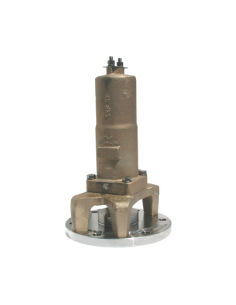
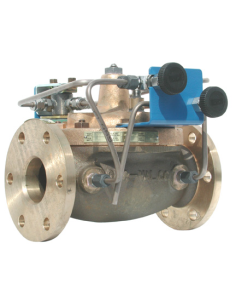
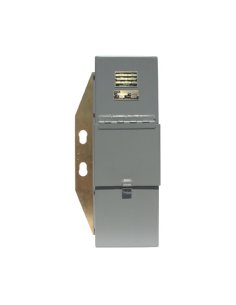
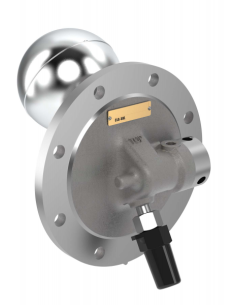
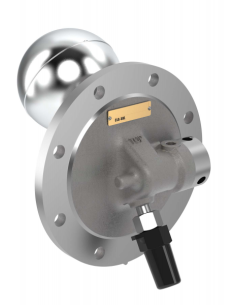
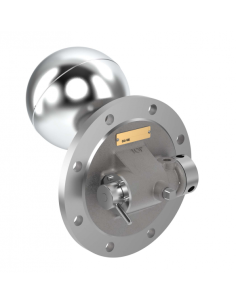
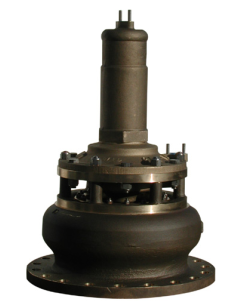
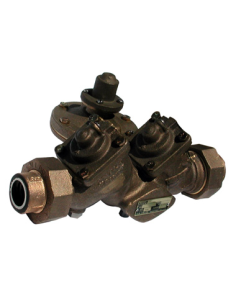
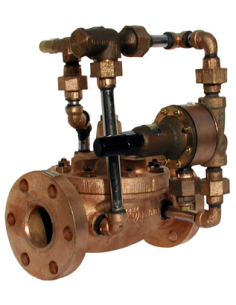
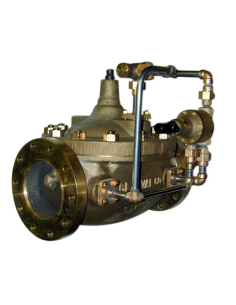
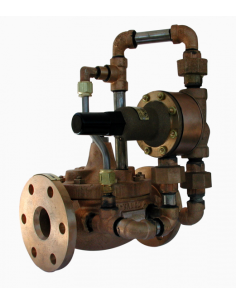
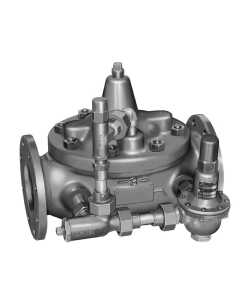
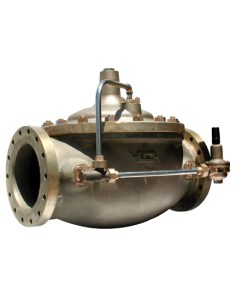
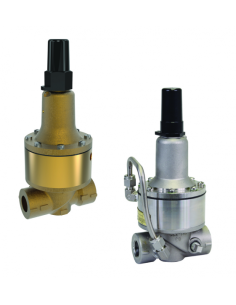
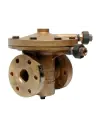
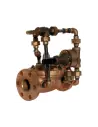
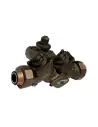
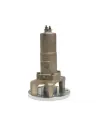
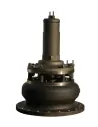
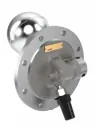
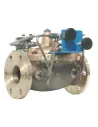
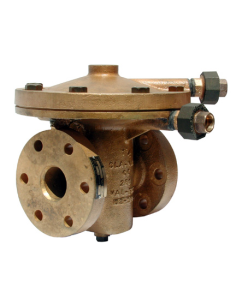
This category includes Cla-Val pressure reducing valves 90FM-2 and 90M, relief valves 50M, 50M-2, and 50M-5, back pressure valve 22M, RP2M backflow preventer, ballast control valves 240M-3 and 240M-4, solenoid control assemblies 136M-2 and CSM5M-3A, float switches CFF18M-H2, CFF18MT-H2, and CFF21M-H2, and CRL / 55L accessories for pilot circuit adjustment.
The 90FM-2 pressure reducing valves are applied in shipboard piping where downstream pressure must remain stable, including sanitary flushing and evaporator cooling service, with reference to MIL-F1183 and MIL-F20042, Class 150 and Class 250. The 22M operates as a back pressure regulating valve for upstream pressure control. The 50M series are pilot-operated modulating relief valves using spring-loaded adjustable relief control to discharge at a predetermined pressure setpoint.
The 240M-3 and 240M-4 valves are used in seawater ballast systems for compartment filling and drainage, with hydraulically actuated control and Naval Bronze construction for submerged or hull-mounted installation. The RP2M is used to prevent reverse flow in potable water and seawater isolation systems. The 136M-2 assemblies are applied in air-conditioning and chilled fresh water circuits.
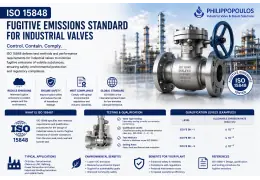
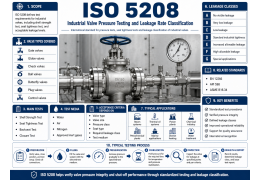
During maintenance, inspection should cover pilot lines, restriction orifices, strainers, diaphragm condition, seat surfaces, elastomers, floats, solenoids, and verified pressure setting under operating conditions. Scale, suspended solids, or fuel residue can alter response time, shutoff tightness, and control stability. Leakage assessment should distinguish between seat leakage, pilot circuit leakage, and external leakage at covers, fittings, or impulse lines.