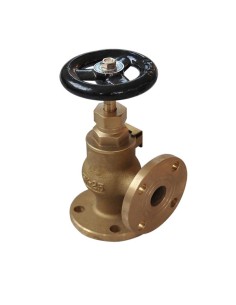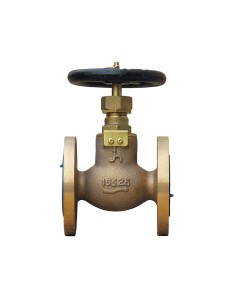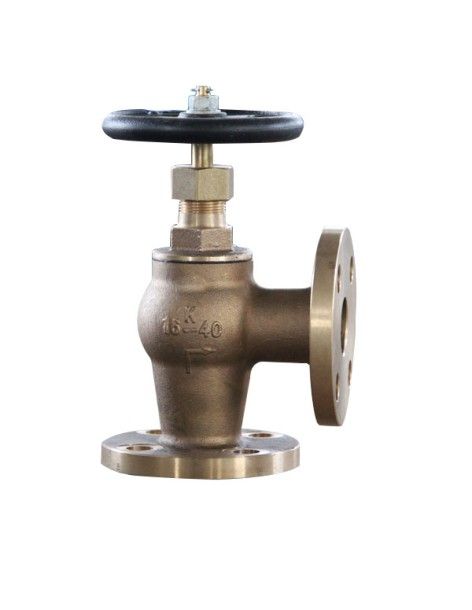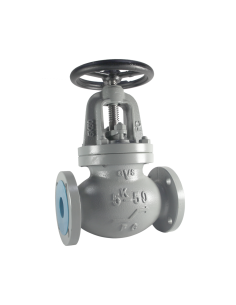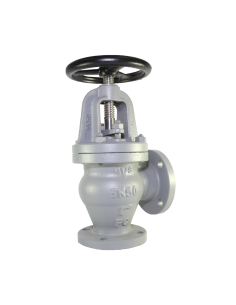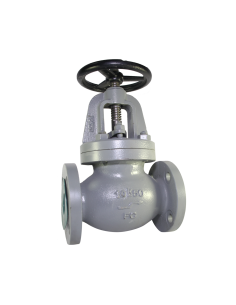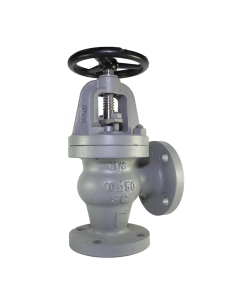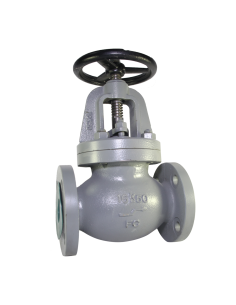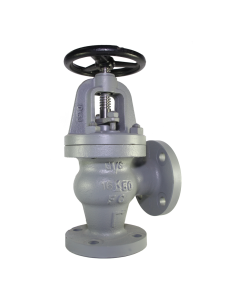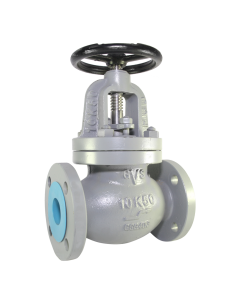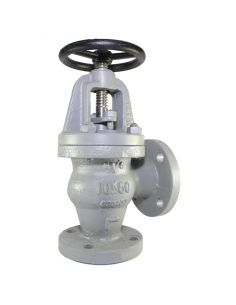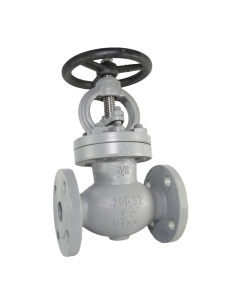

Globe Valves
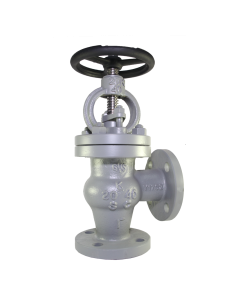
Marine globe valves are used for isolation and controlled flow regulation in auxiliary shipboard systems such as seawater cooling, fresh water, ballast, bilge, fuel oil, and lubricating oil service, provided that the body material and soft goods are compatible with the medium. Compared with gate valves, the globe pattern produces a higher pressure drop due to the tortuous flow path, but it provides better throttling characteristics and more accessible maintenance of the seat, stem, and stuffing box assembly.
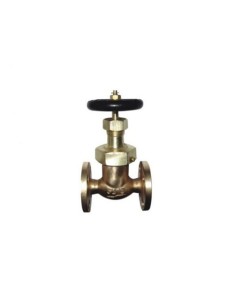
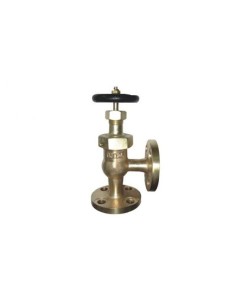
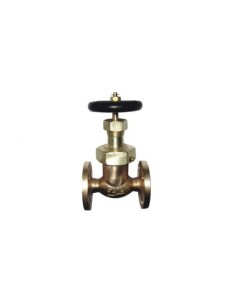
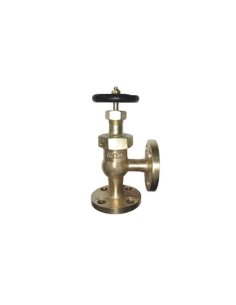
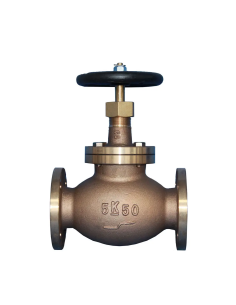
This category includes straight-pattern and angle-pattern marine globe valves manufactured to JIS standards, with flanged ends and pressure classes 5K, 10K, 16K, and 20K. Available constructions include bronze bodies, cast iron bodies, and cast steel bodies, covering JIS types F7301, F7302, F7303, F7304, F7305, F7306, F7307, F7308, F7309, F7310, F7313, F7314, F7319, F7320, as well as union bonnet designs F7346 to F7349.
Bronze globe valves are typically applied in water service where resistance to marine corrosion is required and nominal sizes are relatively small. Cast iron valves are generally used for larger diameters at lower pressure ratings, while cast steel valves are selected for higher-pressure duties or where greater mechanical strength is required. As a reference, type F7301 is specified under JIS F7301-1996 and tested in accordance with JIS F7400-1996. Type F7313 in JIS 20K is listed with a hydrostatic body test pressure of 5.00 MPa and a seat test pressure of 3.67 MPa.
Valve selection should verify JIS pressure class, flow direction, straight or angle configuration, face-to-face installation space, medium corrosivity, handwheel access, and the serviceability of packing and disc components. For critical lines, seat tightness and stuffing box condition should be included in the engine room inspection and maintenance program. Material selection should also consider operating temperature, fluid cleanliness, leakage tolerance, and maintenance interval requirements.