
Gear Boxes
Marine gearboxes are used for manual or auxiliary valve operation where the required operating torque does not permit direct actuation by lever or handwheel. Typical applications include butterfly valves, ball valves, plug valves, dampers, and multi-turn valves such as gate and globe valves. Selection should be based on valve breakaway and seating/unseating torque under differential pressure, mounting standard, required angle of rotation, installation orientation, and exposure to moisture, salt spray, or intermittent flooding.
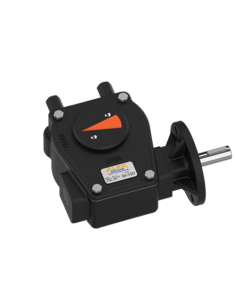
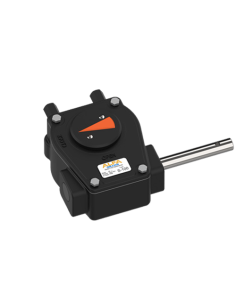
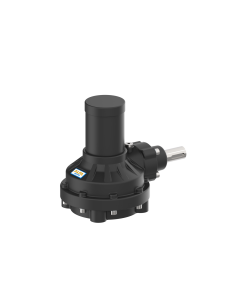
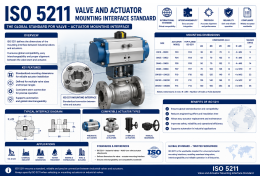
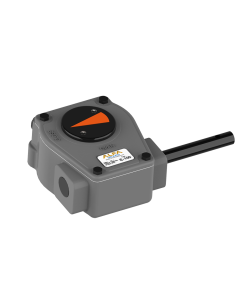
This category includes Alfa Gear series E, M, MO, S, VA, and XK. Series E, M, and S are quarter-turn worm gearboxes for 90° valves, with mounting interfaces to EN ISO 5211 or DIN 3210. These units incorporate adjustable mechanical travel stops of ±5° and are rated for ambient temperatures from -50 to +150 °C. Series E is specified with a GG25 cast iron housing, IP67 enclosure protection, and torque capacity up to 4,500 Nm. Series M and S use ductile cast iron GGG40 housings, IP68 protection, and torque ratings up to 32,000 Nm.
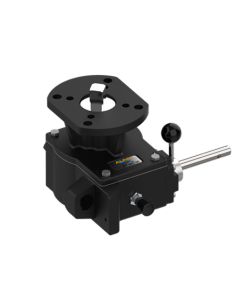
Series MO is a manual override gearbox installed between a double-acting or spring-return pneumatic actuator and the valve. It allows local manual operation during loss of air supply or maintenance isolation. An optional 3/2 relief valve can be fitted to vent trapped air from the actuator circuit before override engagement.
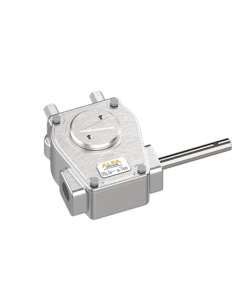
Series VA is intended for marine and corrosive service. The housing, cover, input shaft, and handwheel are manufactured from stainless steel 316, while the quadrant is aluminium bronze. Torque capacity is specified up to 11,000 Nm. Material selection should be checked against chloride exposure, washdown conditions, and external corrosion requirements.
For gate and globe valves, the XK multi-turn series is used. It features a ductile cast iron housing, bronze alloy or ductile iron drive sleeve, axial bearings, and torque capacity up to 4,000 Nm. During installation, verify ISO flange compatibility, square drive dimensions, operating direction, travel stop setting, lubrication condition, housing sealing, and access for inspection and maintenance. In marine service, coating specification and IP protection should be selected according to installation location and the vessel’s maintenance schedule.