
Electric Actuators
Marine electric actuators are used for remote or automated valve operation in shipboard piping systems and offshore installations where manual access is restricted or where valve duty must be integrated into a control system. Typical applications include isolation and modulating valves in seawater, ballast, bilge, cooling, fire-fighting, and auxiliary pipework. Selection is based on required output torque, operating time, supply voltage, fail-position strategy, and exposure to the installation environment.
This category includes the Valpes Marine Version electric actuator, available for V-series actuators with an aluminium enclosure. The marine coating version is intended for marine service and corrosive atmospheres, including offshore duty. The anti-corrosion coating is stated as compliant with ACQPA and NF EN ISO 12944-1, high-durability category. This should be assessed against the actual installation location, salt spray exposure, and the vessel’s maintenance regime.
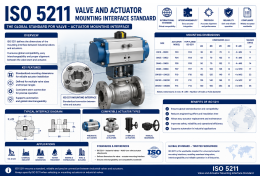
Actuator sizing should verify valve torque under line pressure, ISO 5211 mounting interface, rotation angle, limit switches, local override capability, position indication, enclosure protection rating, and electrical interfacing with PLC, alarm panel, or remote operation system. For butterfly and ball valves, breakaway torque and end-of-stroke seating torque should be evaluated against the process medium, differential pressure, and seat condition. Where applicable, voltage class, duty cycle, ambient temperature, and cable entry sealing should also be checked during specification.
Maintenance should include inspection of cable gland tightness, coating condition, mechanical stops, gear train, motor thermal protection, and end-position accuracy. In marine service, corrosion, vibration, and humidity can affect both delivered torque and electrical integrity over time, with potential impact on valve shut-off, leakage control, and command response.