

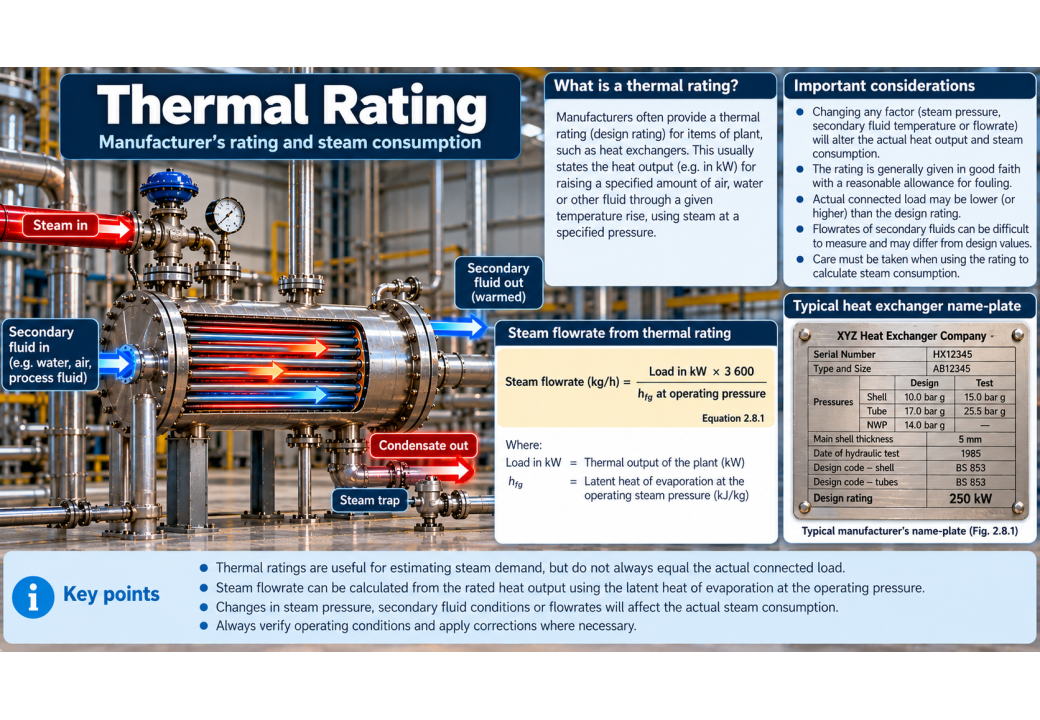
The thermal output stated on a heat exchanger nameplate or technical datasheet is useful only when interpreted in the...
ISO 15848 is the international standard used to evaluate and classify fugitive emissions from industrial valves. The standard defines test procedures, classification criteria and qualification requirements for valves used in applications where external leakage to the atmosphere must be controlled.
It is especially important in chemical plants, petrochemical facilities, refineries, oil and gas installations, LNG terminals, hydrogen systems and other industrial processes where volatile, hazardous or environmentally sensitive fluids are handled.
What is ISO 15848?
ISO 15848 specifies requirements for the measurement and classification of external leakage from industrial valves. The standard focuses on leakage from the valve stem, shaft seals, body joints and bonnet connections.
It does not define seat leakage performance. Seat tightness is normally evaluated according to standards such as ISO 5208, EN 12266 or API 598.
Structure of the Standard
| Part | Scope |
|---|---|
| ISO 15848-1 | Type testing and classification of valves |
| ISO 15848-2 | Production acceptance testing |
What are Fugitive Emissions?
Fugitive emissions are small but continuous or intermittent emissions of gases, vapours or volatile organic compounds escaping from pressure-containing equipment into the atmosphere.
In industrial valves, fugitive emissions may occur through:
- Stem packing
- Shaft seals
- Bonnet gaskets
- Body joints
- Mechanical connections
- Dynamic sealing areas
Why ISO 15848 is Important
Fugitive emissions are a major concern in process industries because they can affect environmental compliance, plant safety, product loss and maintenance costs.
- Reduction of VOC emissions
- Improved environmental compliance
- Lower risk of hazardous gas release
- Improved workplace safety
- Reduced product losses
- Longer packing service life
- Better valve reliability in critical service
Valve Types Covered by ISO 15848
- Gate Valves
- Globe Valves
- Ball Valves
- Butterfly Valves
- Plug Valves
- Control Valves
- Needle Valves
- Quarter-Turn Valves
- Rising Stem Valves
Main Classification Parameters
Valve performance under ISO 15848 is generally classified according to leakage tightness, endurance and temperature capability.
| Classification Parameter | Description |
|---|---|
| Tightness Class | Defines the external leakage level measured during testing |
| Endurance Class | Defines the number of mechanical operating cycles |
| Temperature Class | Defines the temperature range used during qualification testing |
Typical Test Media
ISO 15848 testing is normally performed using a suitable tracer gas to detect very low leakage rates.
- Helium
- Methane
The selected test medium depends on the required test method, industry requirements and project specification.
ISO 15848-1 Type Testing
ISO 15848-1 is used for qualification testing of valve designs. It evaluates whether a valve design can maintain low external leakage over defined mechanical cycles and temperature conditions.
Typical Type Test Evaluation
- Initial leakage measurement
- Mechanical cycling
- Temperature cycling
- Leakage measurement after defined intervals
- Final classification
ISO 15848-2 Production Acceptance Testing
ISO 15848-2 is used for production acceptance testing of individual valves manufactured from an already qualified design.
This part of the standard supports quality control by confirming that production valves meet specified fugitive emission requirements before delivery.
Stem and Packing Leakage
The most critical leakage path in many valves is the stem or shaft sealing area. Packing design, gland load, stem finish, material selection and operating temperature all influence fugitive emission performance.
Body Joint Leakage
In addition to stem leakage, ISO 15848 also addresses leakage from static sealing areas such as bonnet joints and body connections.
Typical Industrial Applications
Petrochemical Plants
Low-emission valves are specified for hydrocarbon processing, volatile organic compounds and hazardous process fluids.
Refineries
ISO 15848 certified valves help reduce emissions from high-temperature and hydrocarbon services.
Chemical Industry
The standard supports safer handling of toxic, corrosive or volatile chemicals.
LNG and Natural Gas Systems
Low-emission valves are used to minimize methane leakage in gas processing and distribution systems.
Hydrogen Applications
Hydrogen service requires careful attention to leakage control because of the small molecular size of hydrogen and the need for tight external sealing.
Power Generation
ISO 15848 can be relevant for auxiliary systems, fuel gas systems and chemical dosing applications.
Relationship with Other Standards
| Standard | Scope |
|---|---|
| ISO 15848 | Fugitive emissions testing and classification |
| ISO 5208 | Valve pressure testing and seat leakage |
| EN 12266 | European valve testing standard |
| API 622 | Valve packing fugitive emissions testing |
| API 624 | Low-emission testing for rising stem valves |
| API 641 | Low-emission testing for quarter-turn valves |
| TA Luft | German air pollution control requirements |
ISO 15848 versus API 624 and API 641
ISO 15848 is an international standard for fugitive emission classification of industrial valves. API 624 and API 641 are commonly used in API-based projects and focus on low-emission performance of specific valve categories.
| Standard | Typical Application |
|---|---|
| ISO 15848 | International fugitive emissions classification |
| API 624 | Rising stem valves |
| API 641 | Quarter-turn valves |
| API 622 | Valve packing qualification |
Benefits of ISO 15848 Certified Valves
- Reduced external leakage
- Lower VOC emissions
- Improved environmental performance
- Better compliance with project specifications
- Improved safety in hazardous service
- Reduced maintenance requirements
- Better suitability for critical process applications
Common Specification Mistakes
Confusing Fugitive Emissions with Seat Leakage
ISO 15848 concerns external leakage to the atmosphere. Seat leakage is a different performance requirement and must be specified separately.
Requesting ISO 15848 Without Defining the Class
A complete specification should define the required tightness class, endurance class, temperature class and test medium where applicable.
Assuming All Low-Emission Valves are Equivalent
Different valves may have different test classifications. Engineers should review the actual certificate and test scope before accepting the valve for a project.
Frequently Asked Questions
What does ISO 15848 measure?
It measures external leakage from valve stem seals, shaft seals, body joints and bonnet connections.
Does ISO 15848 measure seat leakage?
No. Seat leakage is covered by standards such as ISO 5208, EN 12266 or API 598.
Which industries use ISO 15848?
It is widely used in petrochemical plants, refineries, chemical facilities, LNG terminals, hydrogen systems, oil and gas installations and power plants.
What is the difference between ISO 15848-1 and ISO 15848-2?
ISO 15848-1 is used for type testing and classification of valve designs. ISO 15848-2 is used for production acceptance testing.
Can ball valves be tested according to ISO 15848?
Yes. Quarter-turn valves such as ball valves, butterfly valves and plug valves can be tested and classified according to ISO 15848.
Can control valves be tested according to ISO 15848?
Yes. Control valves are commonly tested when low external leakage is required in process applications.
Conclusion
ISO 15848 is a key international standard for fugitive emissions performance of industrial valves. By defining test procedures and classification criteria for external leakage, it supports safer, cleaner and more reliable operation in chemical, petrochemical, gas, hydrogen, LNG and industrial process applications.