
Rapture Discs
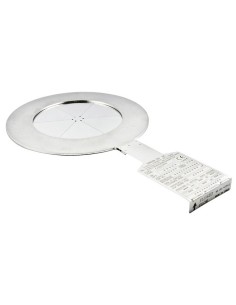
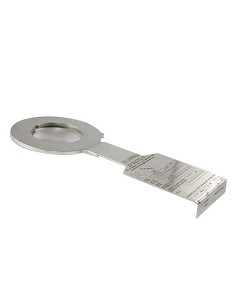
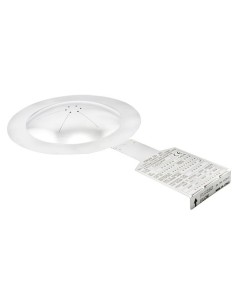
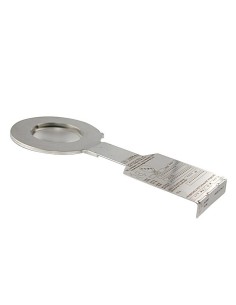
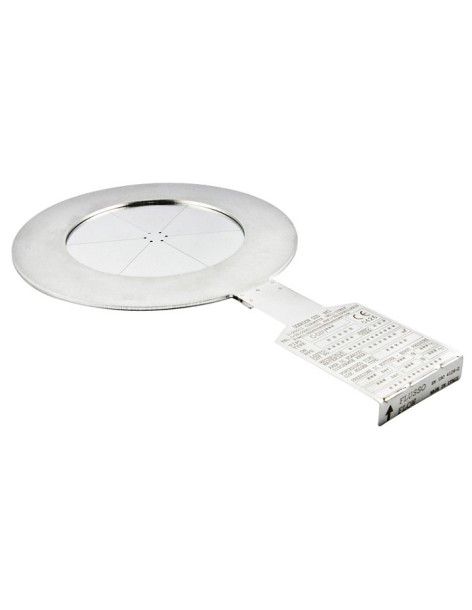
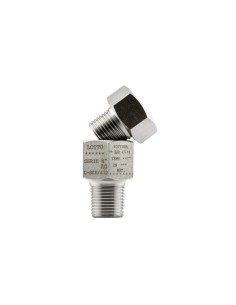
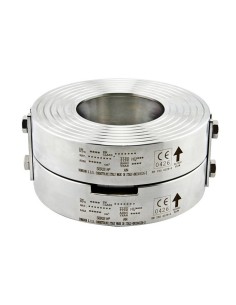
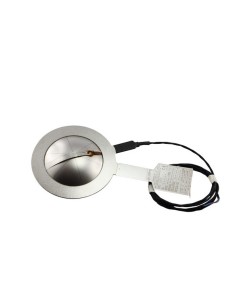
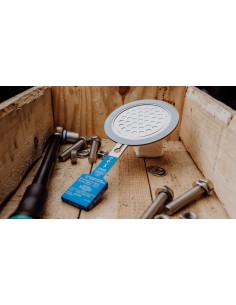
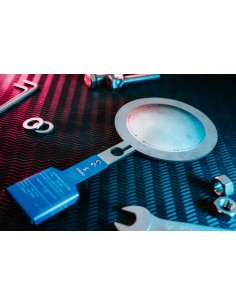
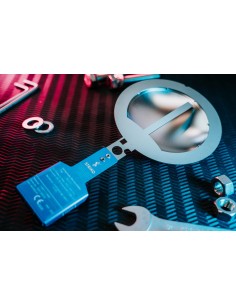
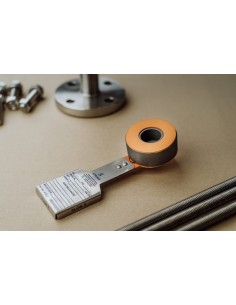
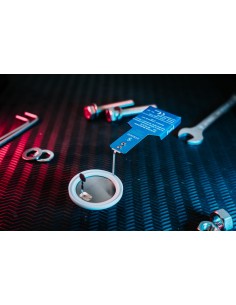
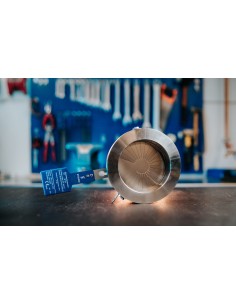
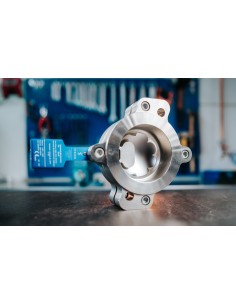
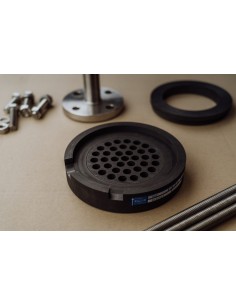
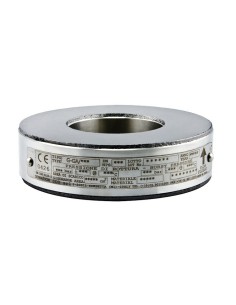
Rupture discs are non-reclosing overpressure protection devices used on pressure vessels, reactors, silos, heat exchangers, piping, and steam, gas, and liquid systems where rapid pressure relief is required. The range includes Donadon SDD and Striko designs, with metallic, graphite, low-pressure, forward-acting, reverse-buckling, sanitary, and bi-directional discs, together with holders, burst indicators, leak detection devices, and explosion vent panels.
Disc selection is based on burst pressure, operating temperature, allowable operating ratio, manufacturing burst tolerance, process phase, pressure cycling or pulsation, vacuum or back pressure, corrosion resistance, and non-fragmentation requirements. Forward-acting discs are applied in gas and liquid service under static or pulsating conditions, with options for PTFE or PFA liners, vacuum support, and installation upstream of a safety relief valve where the disc type is suitable. Reverse-buckling discs are used where higher operating margins, improved fatigue resistance under pressure cycling, operation without vacuum support, and controlled opening with limited fragmentation are required.
When installed in combination with a safety relief valve, a rupture disc can isolate the valve from corrosive, polymerizing, toxic, or fouling media, provided that the effects on inlet and back pressure are correctly calculated, the intermediate space is monitored, and PED or ASME code requirements are met. Available materials include stainless steel, Alloy 201, 400, 600, 625, Alloy C276, titanium, PTFE/PFA-lined constructions, and graphite. Pressure capability ranges from low-pressure mbar service to high-pressure applications, depending on disc diameter, material, temperature, and disc geometry.
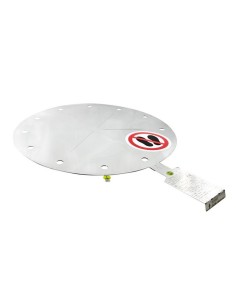
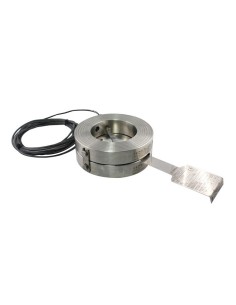
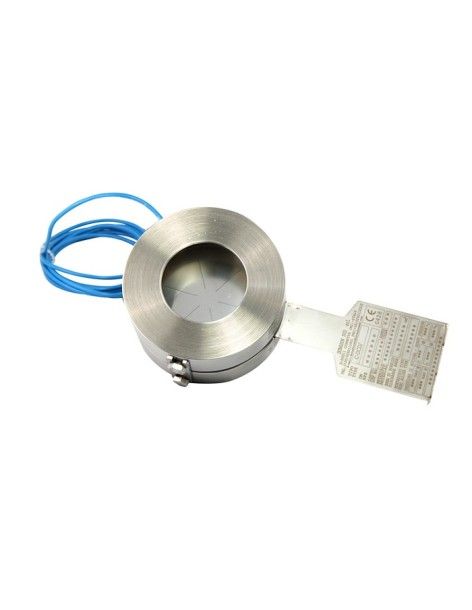
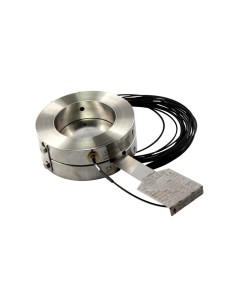
Explosion vent panels are used on dust collectors, dryers, silos, filters, mixers, and conveying ducts to relieve explosion overpressure generated by combustible dust or gas deflagration. Burst indicators and leak detection sensors provide remote confirmation of disc activation or loss of tightness, supporting maintenance planning, shutdown logic, and process safety monitoring.