

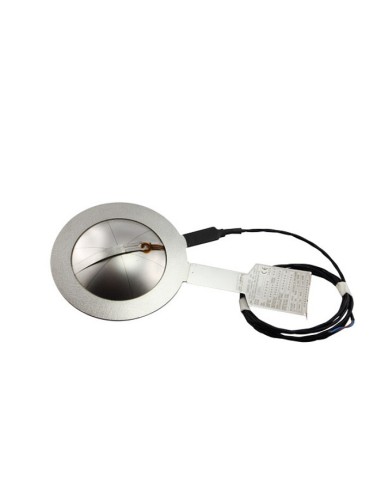
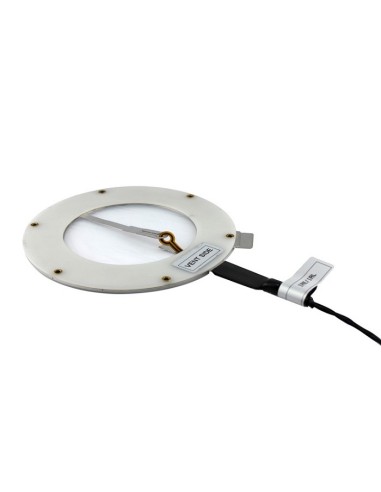
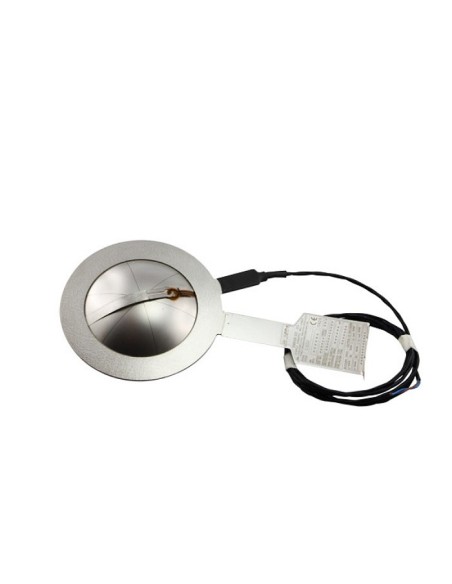
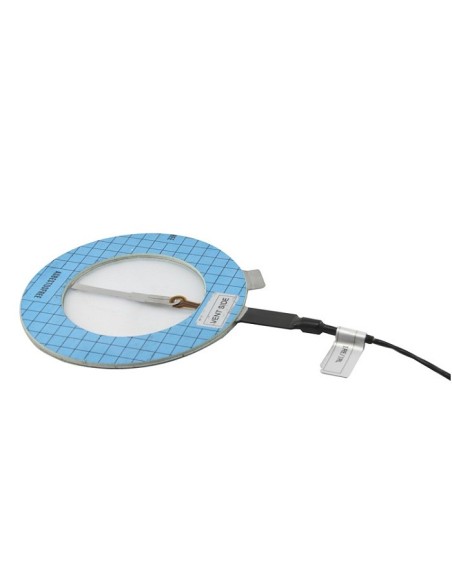
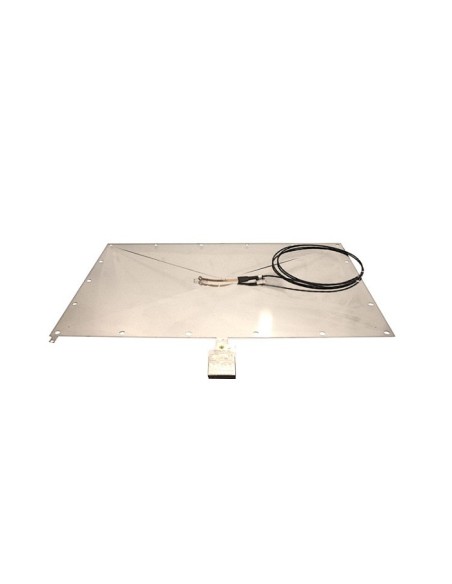
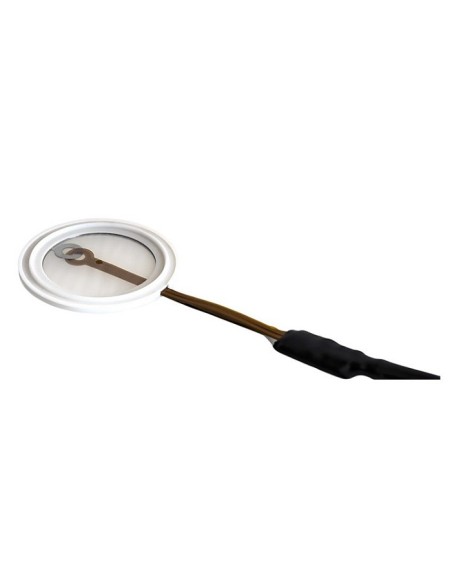

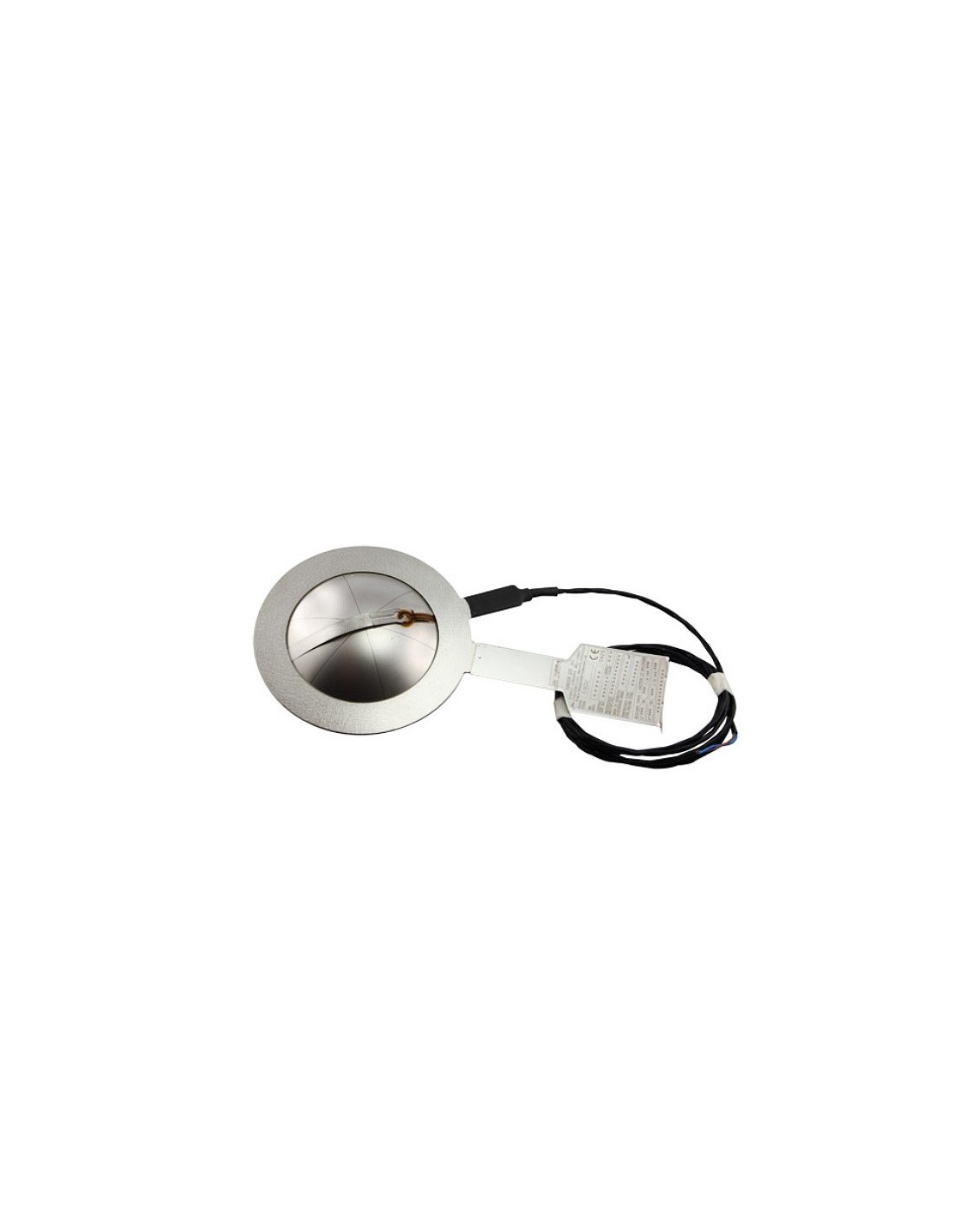
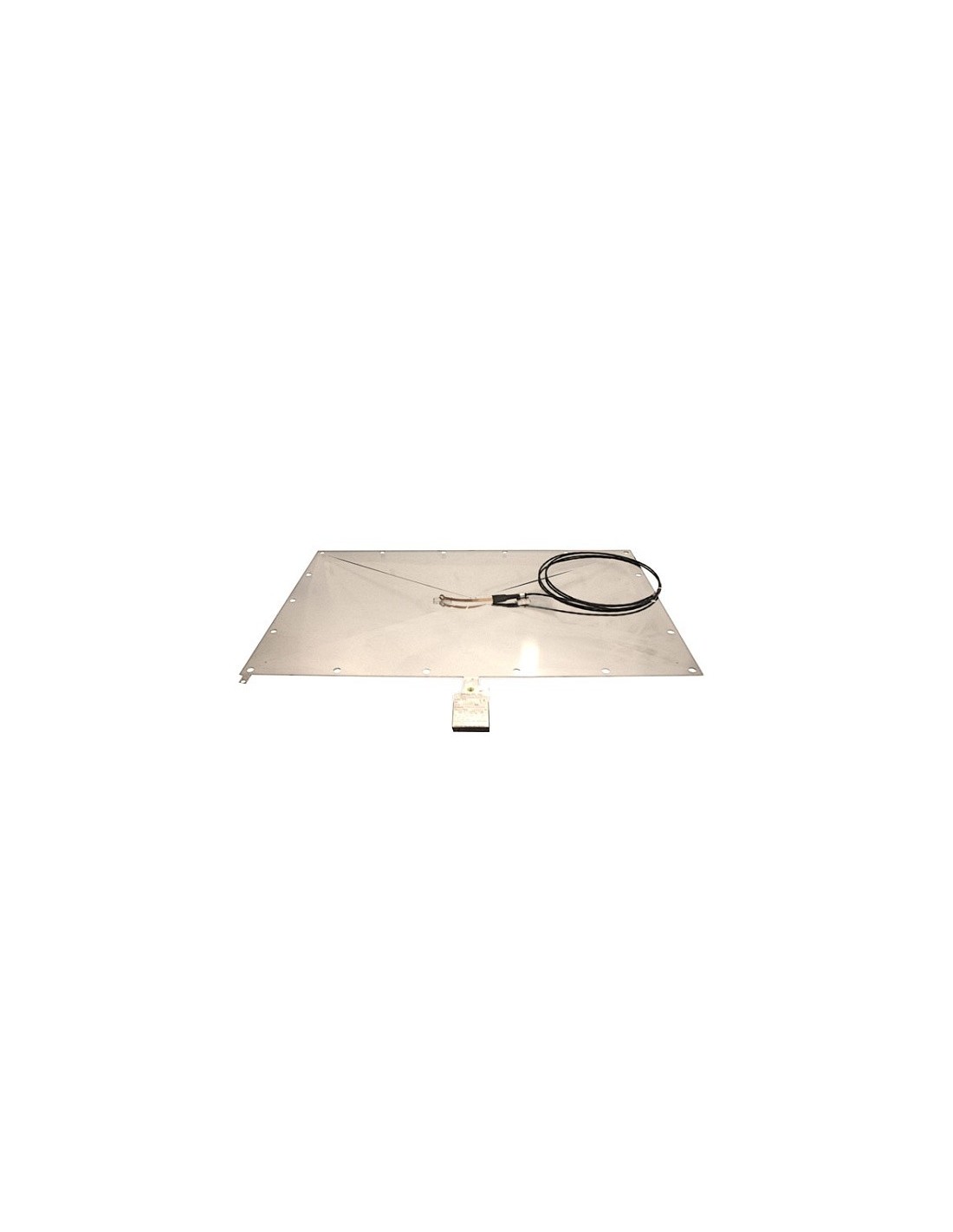
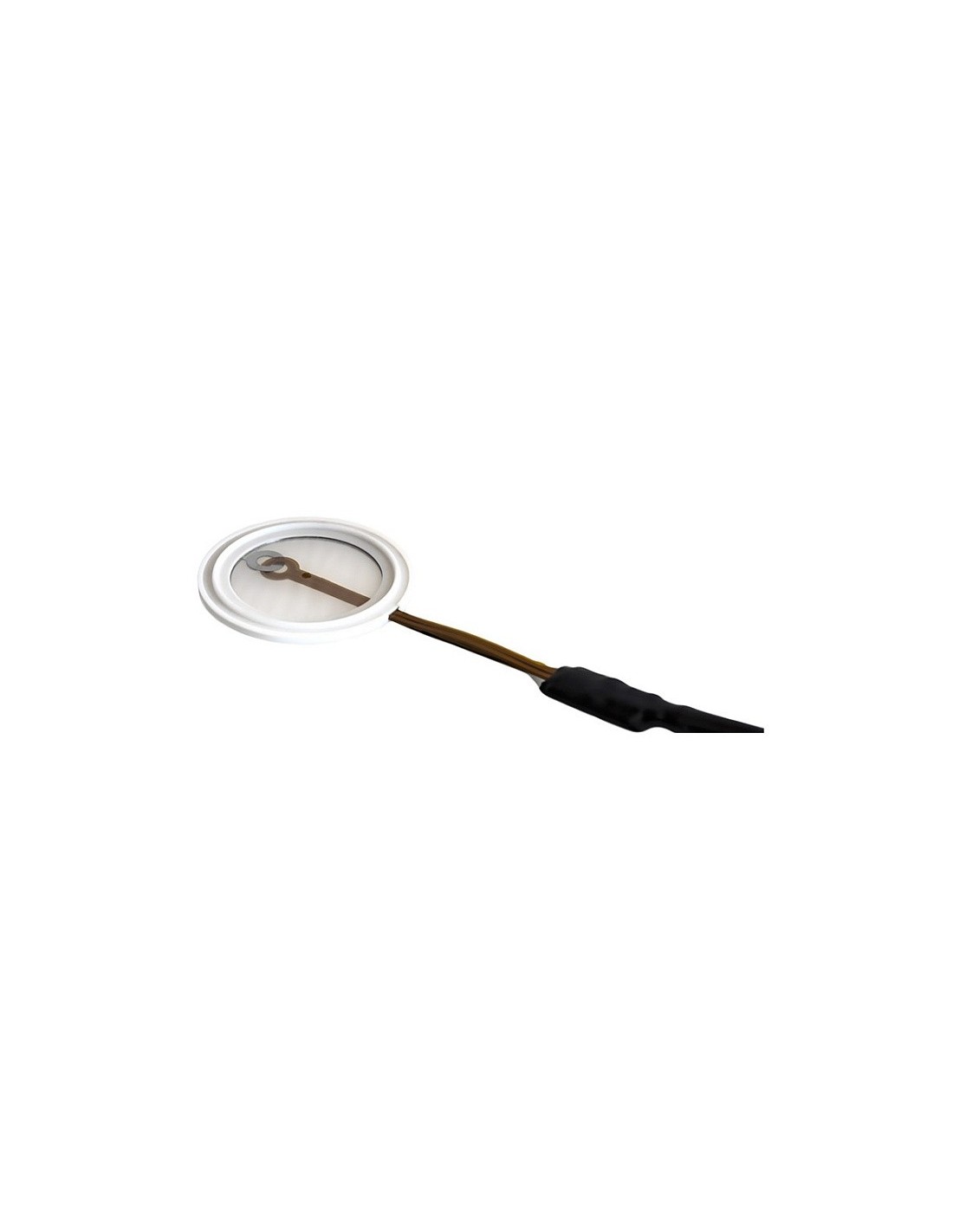
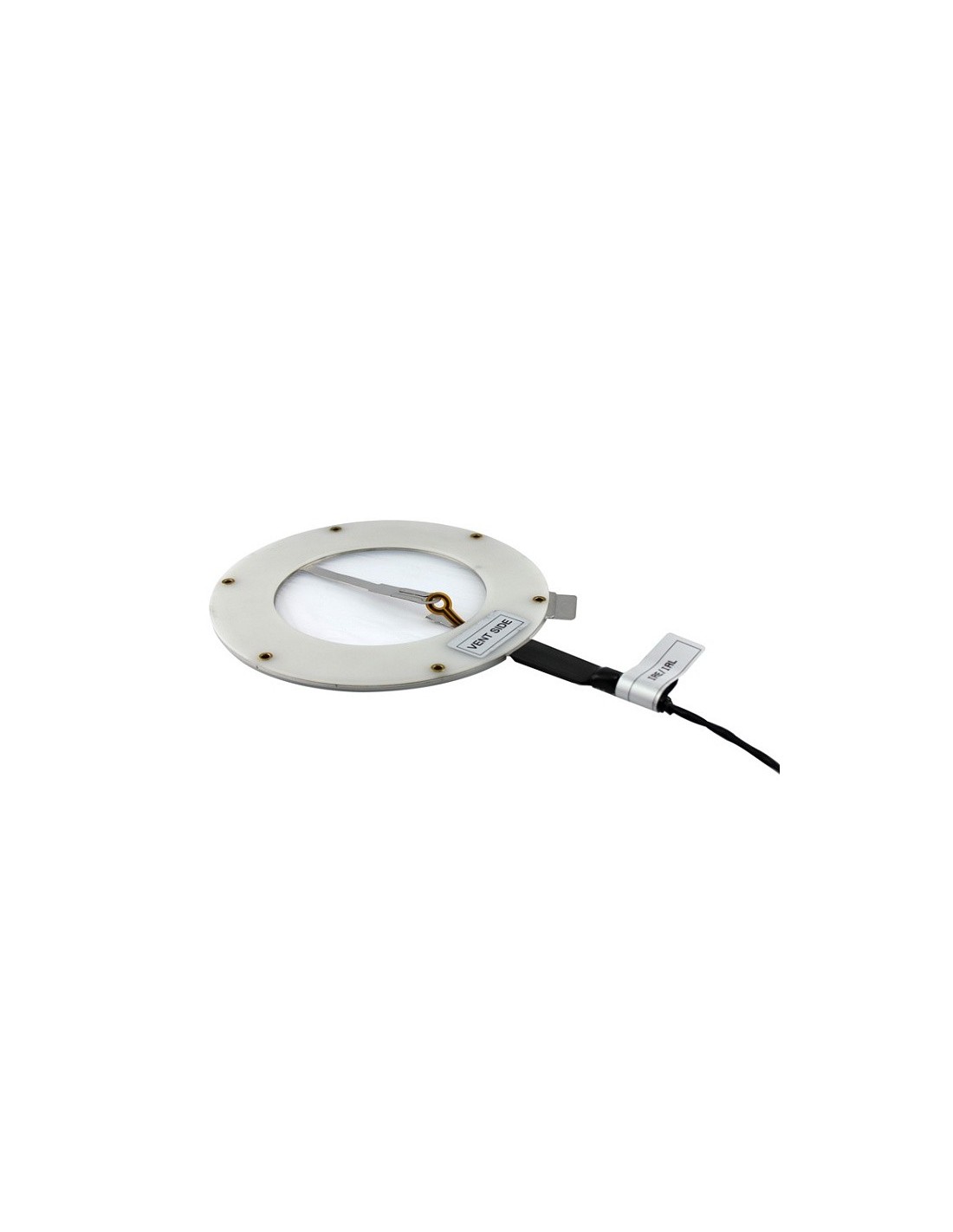
DonadonSDD IRA rupture sensors are simple and efficient instruments for recording the bursting of a rupture disc.
The IRA detector can be installed directly over the rupture disc or inside the disc holder.
The IRA sensor is also available in special execution for clamps.
The alarm indicator cables are connected to the plant safety system with an intrinsically safe barrier that conforms to the electrical characteristics of the sensor (max voltage 24V DC and max current 50 mA) and the hazardous area classification.
The detector is composed of an electric sensor simply mounted on a target made up of:
a stainless steel ring
When the disc bursts, the copper circuit of the IRA alarm system opens and as a result of this the flow of current is cut off, allowing the connected equipment to signal that the disc has opened.
The IRA sensor is classified as “basic electrical material” and is certified according to European Directive 94/9/EC (ATEX). Zone installation depends on barrier type:
Ex ia barrier -> zone 0; 20; 1; 21; 2; 22
Ex ib barrier -> zone 1; 21; 2; 22
Installation must be according to standard EN 60079-14.
| Model | IRA | |
| Operating temperature | From -20°C up to +300°C | |
| Encapsulating membrane | Polyimide (Kapton®) | |
| Printed Circuit | Copper | |
| Max supply voltage | 24 V DC | |
| Max supply current | 50 mA | |
| Cable | Standard, 2 m | |
| Rupture disk | DCD, DIF, LPD, SCD, SCR, Y90, KRD, GM, GA, GR | |
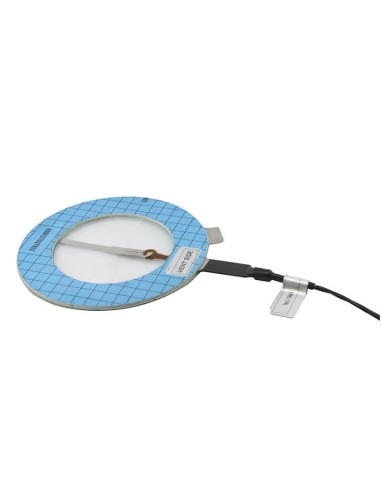
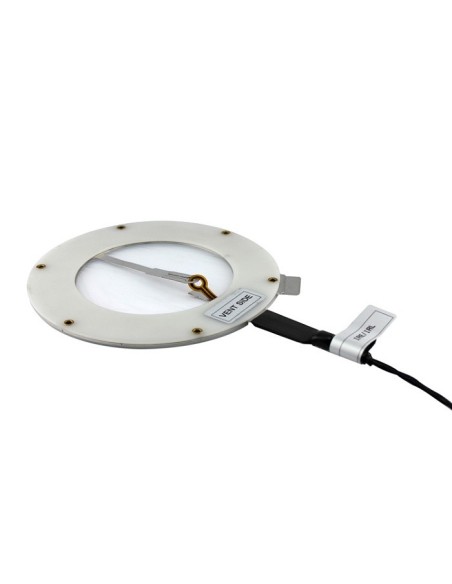
DonadonSDD IRL rupture sensors are simple and efficient instruments for recording the bursting of a rupture disc.
The detector is installed between the container on the discharge side and the flange downstream from the safety device replacing the traditional seal. The alarm indicator cables are connected to the plant safety system with an intrinsically safe barrier that conforms to the electrical characteristics of the sensor (max voltage 24V DC and max current 50 mA) and the hazardous area classification.
The detector is composed of an electric sensor simply mounted on a target made up of:
a stainless steel ring
a PTFE membrane
seals: standard aramid fibre available also in graphite, PTFE
When the disc bursts, the copper circuit of the IRL alarm system opens and as a result of this the flow of current is cut off, allowing the connected equipment to signal that the disc has opened.
The IRL sensor also detects any rupture disc leaks thanks to the non-perforated membrane.
The IRL sensor is classified as “basic electrical material” and is certified according to European Directive 94/9/EC (ATEX). Zone installation depends on barrier type:
Ex ia barrier -> zone 0; 20; 1; 21; 2; 22
Ex ib barrier -> zone 1; 21; 2; 22
Installation must be according to standard EN 60079-14.
| Model | IRL | |
| Operating temperature | From -20°C up to +265°C (depending on the seal used) | |
| Encapsulating membrane | Polyimide (Kapton®) | |
| Printed Circuit | Copper | |
| Max supply voltage | Copper | |
| Max supply current | 50 mA | |
| Cable | Standard, 2 m | |
| Rupture disk | DCD, DIF, LPD, SCD, SCR, Y90, KRD, GM, GA, GR | |
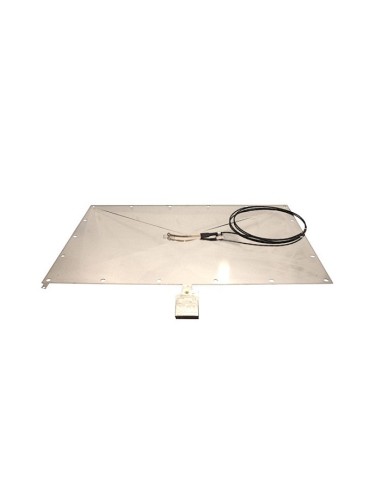
Donadon IRP rupture indicators are simple and efficient instruments for detecting the bursting of an explosion venting panel.
The detector is installed during manufacturing of the panel and has a 2 metre cable.
The alarm indicator cable must be connected to the plant safety system with an intrinsically safe barrier that conforms to the electrical characteristics of the sensor (max tension 24V DC and max intensity 50 mA) and the hazardous area classification.
When the panel bursts, the IRP indicator electrical circuit is interrupted, allowing the connected equipment to signal that the safety device has opened.
The IRP indicator is classified as “basic electrical material” and is certified according to European Directive 94/9/EC (ATEX). Zone installation depends on barrier type:
Ex ia barrier -> zone 0; 20; 1; 21; 2; 22
Ex ib barrier -> zone 1; 21; 2; 22
Installation must be according to standard EN 60079-14.
| Model | IRP | |
| Operating temperature | From -20°C to +300°C | |
| Encapsulating membrane | Polyimide (Kapton®) | |
| Printed Circuit | Copper | |
| Max supply voltage | 24 V DC | |
| Max supply current | 50 mA | |
| Cable | Standard, 2 m | |
| Explosion venting panels | PS/C, PS/R | |
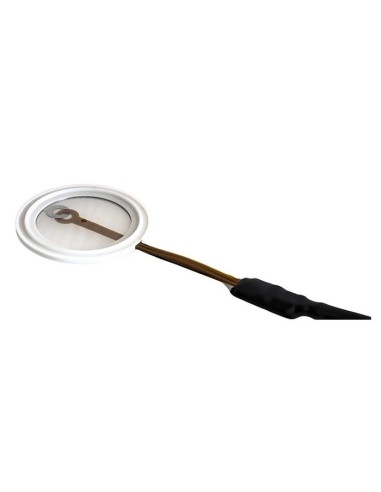
The DonadonSDD IRC type rupture indicator is a simple and effective instrument for the detection of rupture disc fracture.
The detector is installed on the drain side, downstream from the spacer fitting. The alarm indicator cables are connected to the plant safety system by means of an intrinsic safety barrier in compliance with the electrical characteristics of the sensor (maximum voltage 24V CC and maximum current 50mA) and zone classification.
IRC rupture indicators essentially consist of a copper track encapsulated between two insulating layers of Kapton (flexible printed circuit board), connected electrically to a cable that allows remote connection to an electrical continuity indicator. The circuit is encased between two layers of PTFE and the safety device is provided complete with PTFE seals compatible for installation between hygienic connections.
Upon disc rupture, the copper circuit of the IRC indicator is opened and the flow of the current is interrupted as a result, allowing the connected equipment to signal the effective opening of the rupture disc.
The IRC sensor is classified as a "simple electrical construction" and complies with European Directive 2014/34/UE (ATEX). The zone in which it can be installed depends on the type of barrier:
barrier Ex ia > zones 0, 20, 1, 21, 2, 22
barrier Ex ib > zones 1, 21, 2, 22
Installation must comply with standard EN 60079-14.
| Model | IRC | |
| Operating temperature | From -20°C to +260°C (depending on the seal used) | |
| Encapsulating membrane | Polyimide (Kapton®) | |
| Printed Circuit | Copper | |
| Max supply voltage | 24 V DC | |
| Max supply current | 50 mA | |
| Cable | Standard, 2 m | |
| Rupture disk | DCD, SCD, SCR, Y90, KRD | |
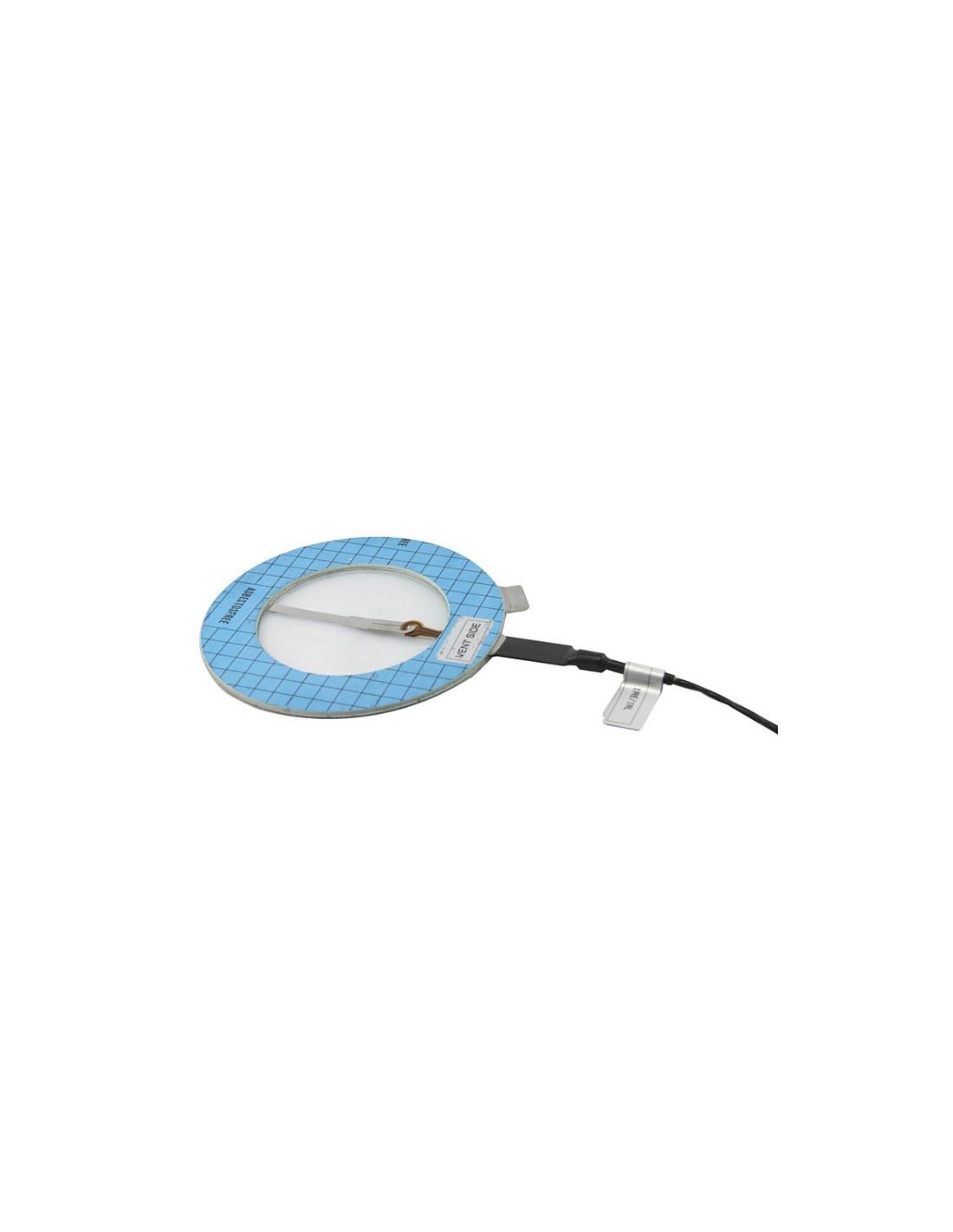
DonadonSDD IRE rupture sensors are simple and efficient instruments for recording the bursting of a rupture disc.
The detector is installed between the container on the discharge side and the flange downstream from the safety device replacing the traditional seal. The alarm indicator cables are connected to the plant safety system with an intrinsically safe barrier that conforms to the electrical characteristics of the sensor (max voltage 24V DC and max current 50 mA) and the hazardous area classification.
The detector is composed of an electric sensor simply mounted on a target made up of:
a stainless steel ring
a perforated PTFE membrane
seals: standard aramid fibre available also in graphite, PTFE
When the disc bursts, the copper circuit of the IRE alarm system opens and as a result of this the flow of current is cut off, allowing the connected equipment to signal that the disc has opened.
The IRE sensor is classified as “basic electrical material” and is certified according to European Directive 94/9/EC (ATEX). Zone installation depends on barrier type:
Ex ia barrier -> zone 0; 20; 1; 21; 2; 22
Ex ib barrier -> zone 1; 21; 2; 22
Installation must be according to standard EN 60079-14.
| Model | IRE | |
| Operating temperature | From -20°C up to +265°C (depending on the seal used) | |
| Encapsulating membrane | Polyimide (Kapton®) | |
| Printed Circuit | Copper | |
| Max supply voltage | 24 V DC | |
| Max supply current | 50 mA | |
| Cable | Standard, 2 m | |
| Rupture disk | DCD, DIF, LPD, SCD, SCR, Y90, KRD, GM, GA, GR | |