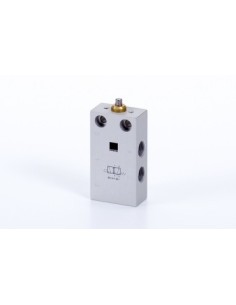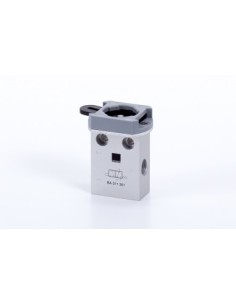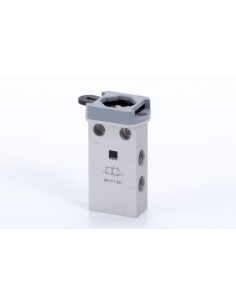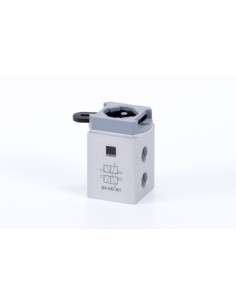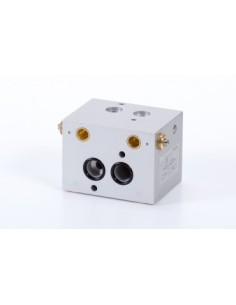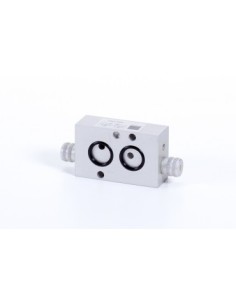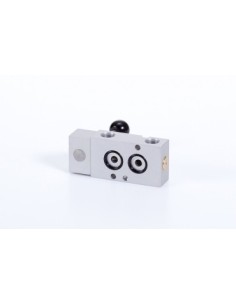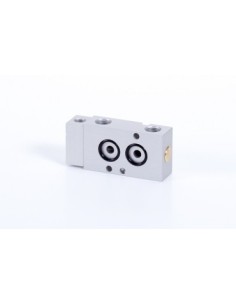

Pneumatic Valves
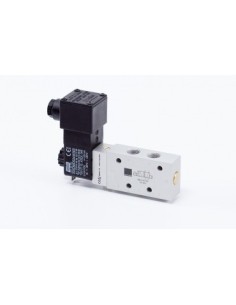
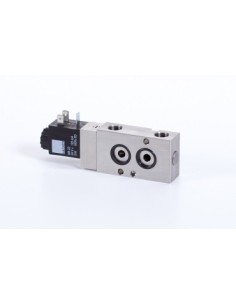
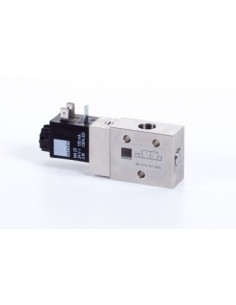
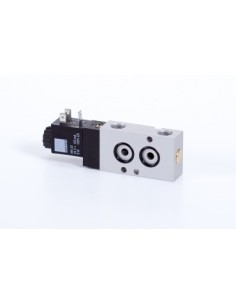
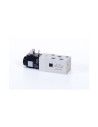
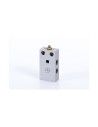
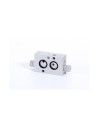
Air valves are used in pneumatic automation circuits for supply, exhaust, directional reversal, and control of compressed air to cylinders, actuators, positioners, process valves, and auxiliary mechanisms. Selection is based on valve function—2/2, 3/2, 3/3, 5/2, 5/3, or twin 3/2—together with operating pressure, flow capacity, response time, return method, electrical signal type, ambient temperature, and the required fail-safe position in the event of air or power loss.
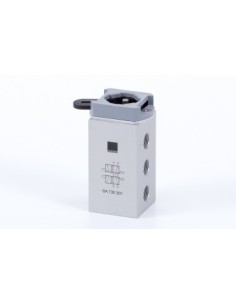
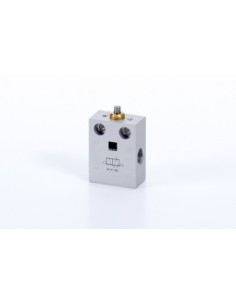
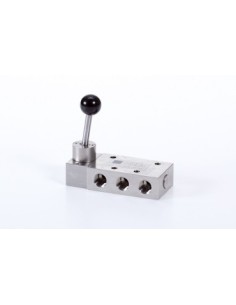
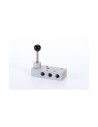
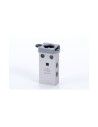
The range includes solenoid valves for PLC-controlled operation, pneumatically actuated valves for sequencing where no electrical signal is available, mechanical valves with roller lever or plunger actuation, manual lever valves, and NAMUR versions for direct mounting on quarter-turn valve actuators. For centralized installations, valve islands, 16 or 22 mm terminals, 3-way or 5-way manifolds, and multi-pin connections are used to reduce tubing complexity and organize field wiring.
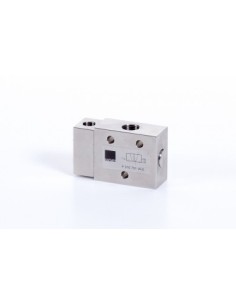
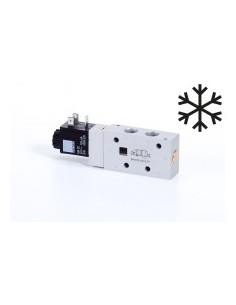
For low-temperature service, solenoid valves are available for ambient conditions down to -50°C. In hazardous areas with potentially explosive atmospheres, ATEX-certified coils and valves are required. Stainless steel versions are specified for corrosive environments, washdown duty, chemical plants, or outdoor installation where resistance to moisture and aggressive agents must be considered.
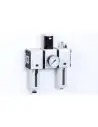
Air quality has a direct effect on seal life, spool movement, and coil service life. For this reason, the pneumatic circuit should be assessed for filters, filter-regulators, FRL units, flow controls, quick-exhaust valves, and pneumatic logic elements. Maintenance should include leak testing, filter cleaning, inspection of coils and connectors, verification of manual override operation, lubrication where specified, and confirmation that supply pressure remains within the design limits of the pneumatic system.