
Flow Meters
Flowmeters are used for the measurement, indication, recording, or transmission of flow in water, air, steam, technical gas, chemical liquid, fuel, utility service, and process piping systems. Selection should be based on fluid type, electrical conductivity, viscosity, cleanliness, flow range, line pressure, operating temperature, allowable pressure drop, required accuracy, and whether local indication or signal output to PLC/DCS is required.
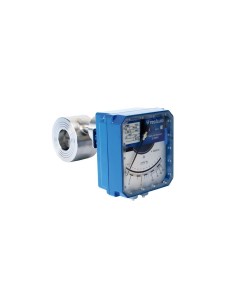
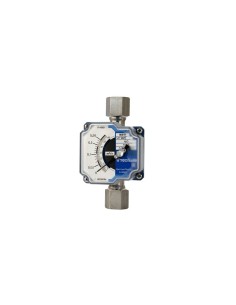
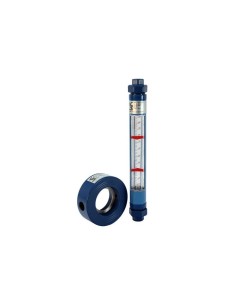
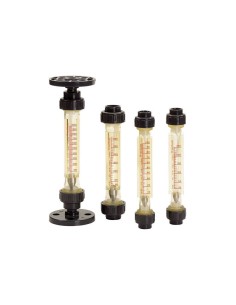
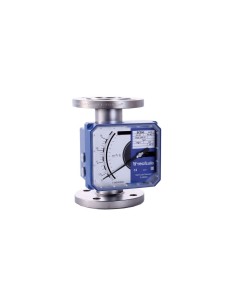
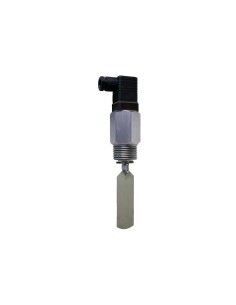
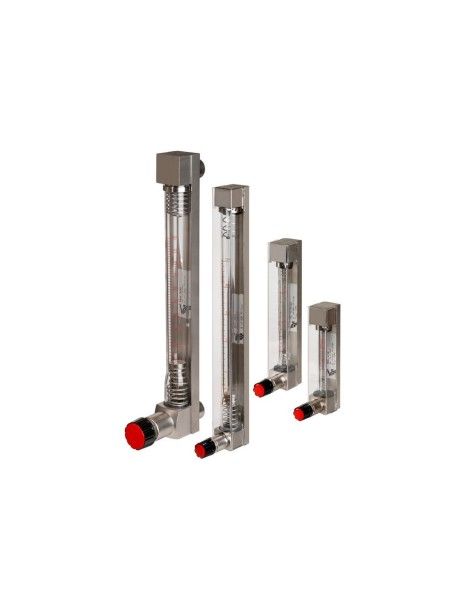
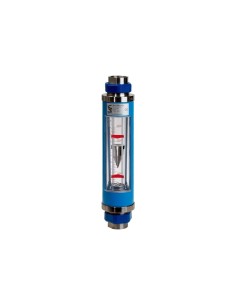
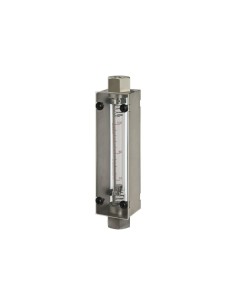
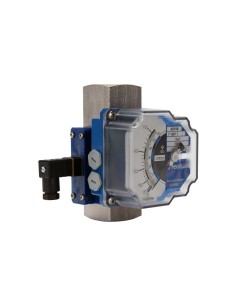
The range includes variable area flowmeters for liquids, gases, and steam, insertion electromagnetic flowmeters for large pipe sizes, positive displacement meters, turbine meters, target disk meters, and flow switches with reed contacts. Plastic variable area PS types are used for liquids and gases, with scales up to 50 m³/h for water or 1500 Nm³/h for air. Metallic M21 types are applied to low flow rates of liquids, gases, and steam, with BSP, NPT, or hygienic process connections.
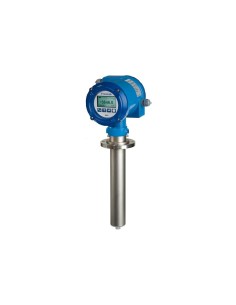
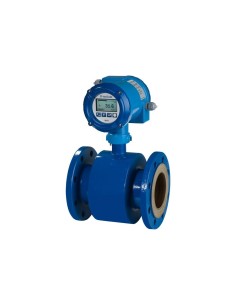
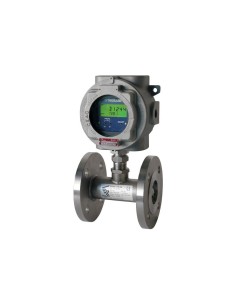
For conductive liquids in large pipelines, FLOMAT units operate as insertion electromagnetic flowmeters, with no moving parts and negligible obstruction of the pipe cross-section. Typical measuring ranges extend to 113,000 m³/h for water, with 4–20 mA or pulse outputs available for integration with control and totalizing systems. For clean, low-viscosity liquids, TM turbine meters generate a flow-proportional signal and can be connected to transmitters, converters, or totalizers.
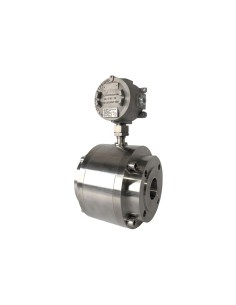
COVOL positive displacement meters are intended for liquids without suspended solids, whether conductive or non-conductive, with viscosity up to 120,000 cP and provision for local calibration. DP target disk meters are used on liquids or gases containing suspended particles and in services with elevated pressure and temperature, while requiring only short upstream and downstream straight lengths compared with other meter technologies.
During installation, the following should be checked: flow direction, full pipe condition, required straight runs, air or gas entrainment, pump pulsation, vibration, grounding for electromagnetic instruments, and compatibility of signal interfaces such as 4–20 mA, HART, Profibus, or Fieldbus where specified.