
Diaphragm valve - T100 | Zubi

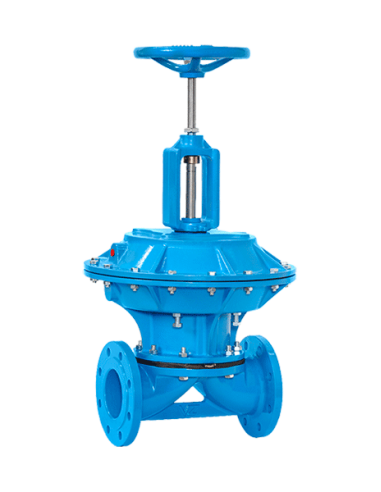
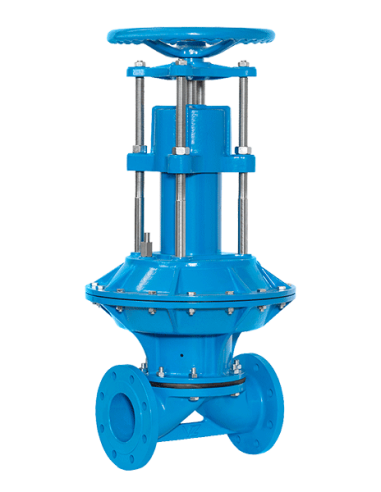
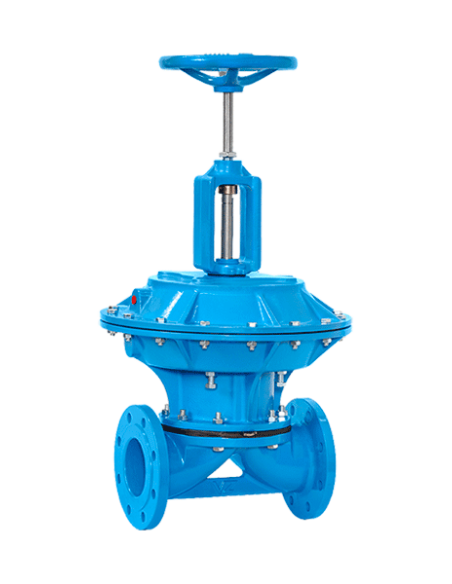
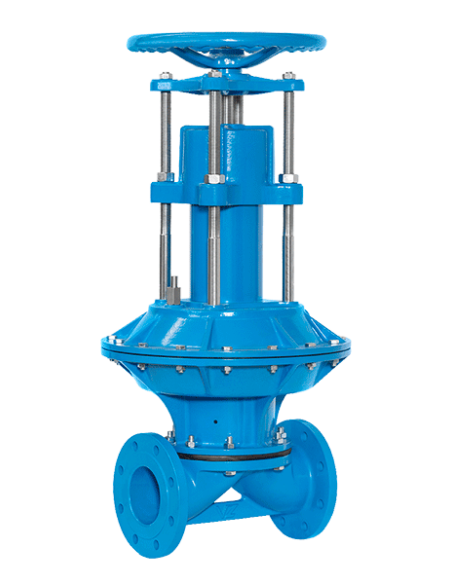
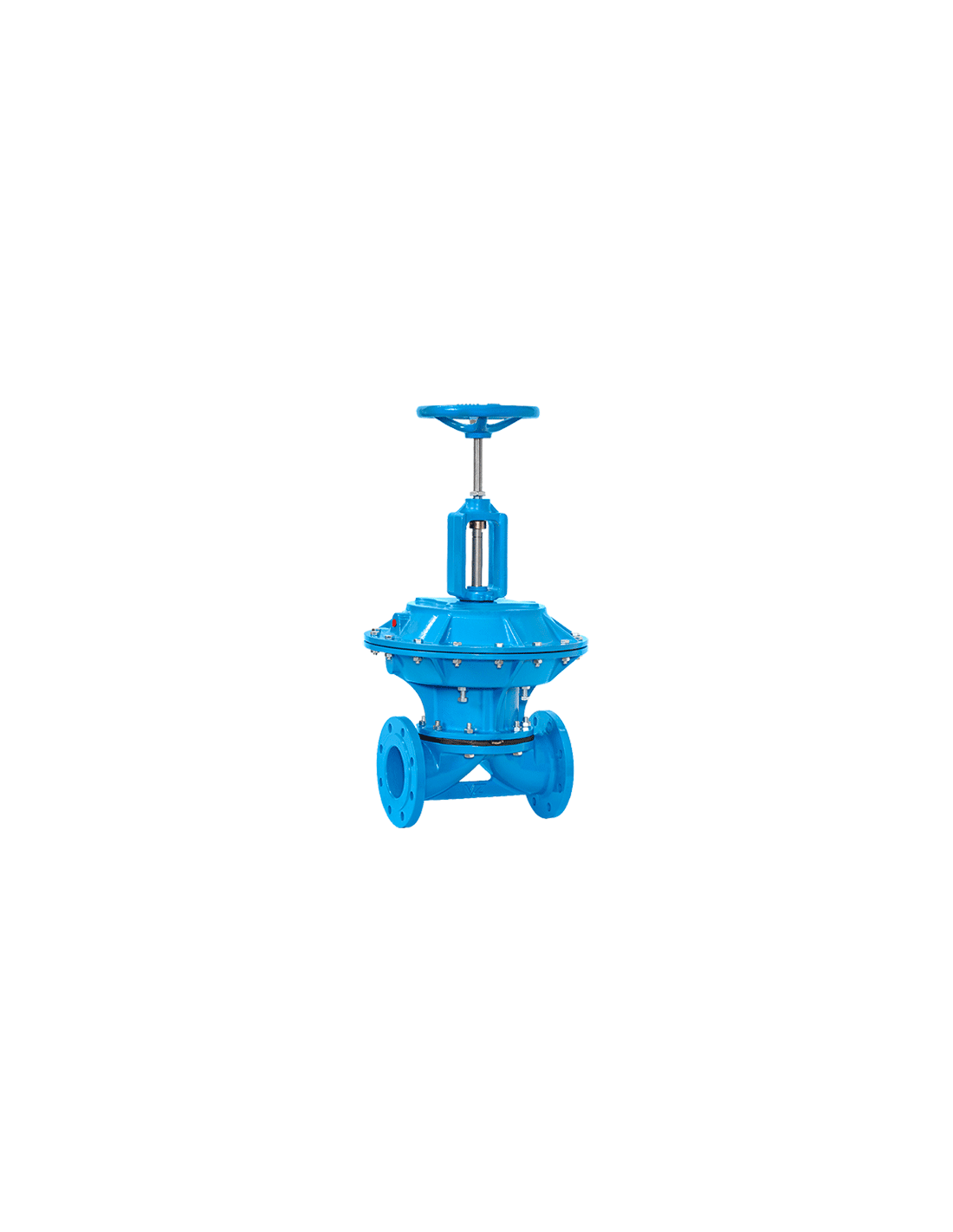
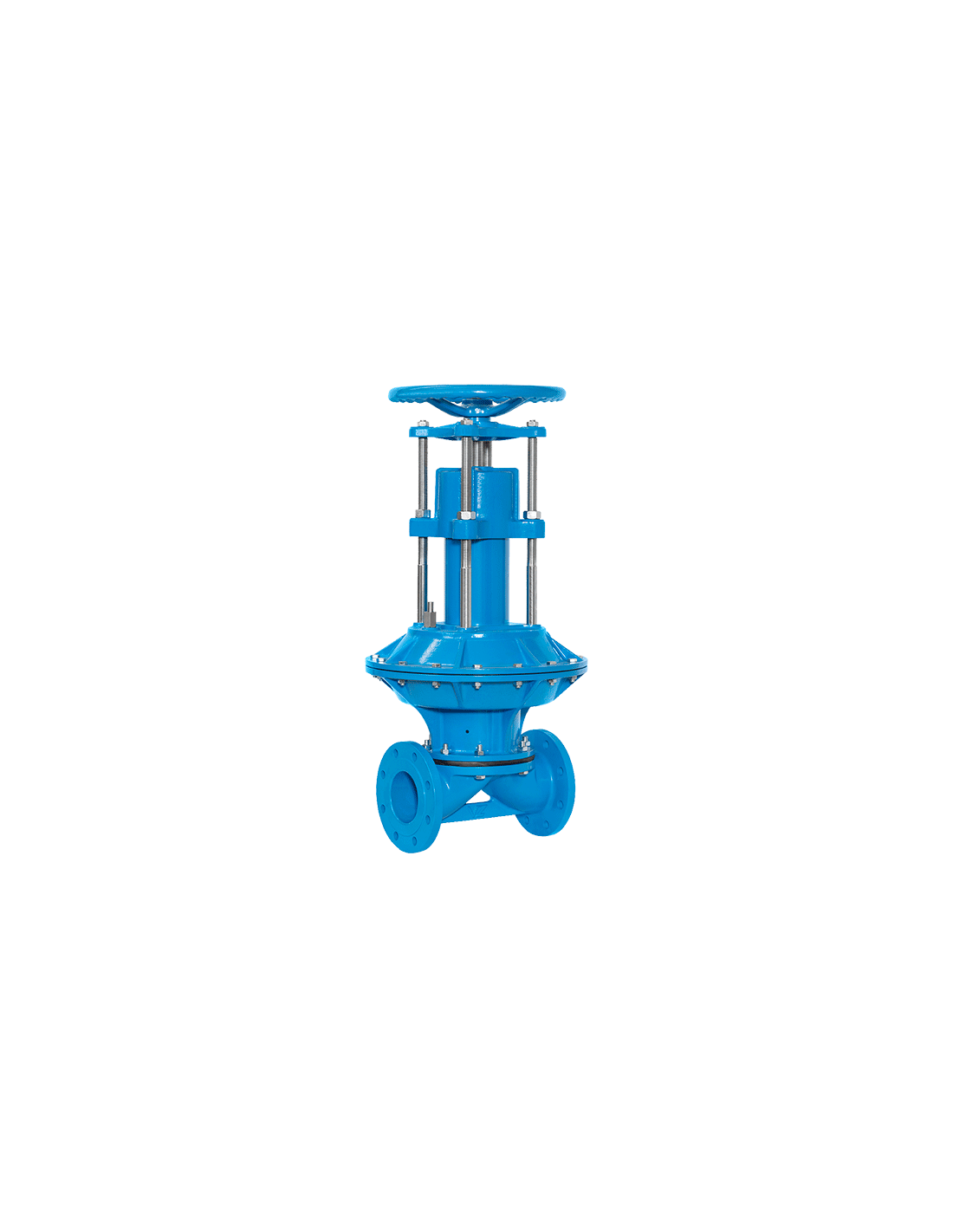
Diaphragm Valve Zubi T100 Weir Type
The Zubi T100 is a flanged diaphragm valve of the weir type, bidirectional, featuring a one-piece cast body and bolted bonnet. The weir design reduces diaphragm travel and allows for on/off operation with limited throttling capability, depending on media and diaphragm wear. Available in lined and unlined versions for corrosive or abrasive industrial fluids, with usage reference up to 15% solids.
Technical Specifications
- Connections: PN6, PN10, PN16, PN25, PN40, ANSI 125/150, BS D/E, JIS 5K/10K, AS-2129 D/E.
- Face-to-face: EN 558 Series 1 / DIN 3202 and EN 558 Series 7 / BS 5156.
- Manual version sizes: DN15–DN350.
- Manual version pressure: DN15–DN150 at 10 bar, DN200–DN300 at 2 bar, DN350 at 4 bar.
- Sealing: watertight shut-off.
- Directives: Machinery Directive 2006/42/CE, PED 2014/68/EU, ATEX 2014/34/EU Area 2 & 22.
Body, Lining, and Diaphragm Materials
Bodies: GG25, GGG50, A216 WCB, CF8, CF8M, CF3M, CN7M, bronze RG7, 254SMO, 654SMO, AISI310, AISI904, Duplex SAF2205, Superduplex SAF2507, AISI316Ti. Linings: hard rubber/ebonite, antiabrasive natural rubber, neoprene, butyl, NBR, Hypalon, Halar/ECTFE, Rilsan. Diaphragms: Butyl, aliment butyl, reinforced butyl, Natural Rubber, aliment Natural Rubber, EPDM, Hypalon, Neoprene, Nitrile, Silicone, PTFE, Viton.
Applications
The T100 is used in water and wastewater, chemical auxiliary circuits, pulp & paper, power generation, mining, powder/bulk handling, and food/beverage with appropriate material confirmation. Selection is based on pH, temperature, solids content, operation frequency, and cleaning requirements.
Handling and Automation
Available with handwheel, pneumatic actuator air-open, air-close, or double acting, electric actuator, and gearbox. Options: position indicators, switches, solenoid valves, padlocks, mechanical limit switches, and positioner 4–20 mA.
Difference from Zubi T85
The T100 is a weir type chosen for compact diaphragm isolation with a lined body. The T85 is straight-through/full bore, preferred for higher solids passage or when material retention must be minimized.
Description
Tap to zoom