


Diaphragm valves | Tassalini | Philippopoulos s.a.

Diaphragm valves | Tassalini

Diaphragm Valves Tassalini

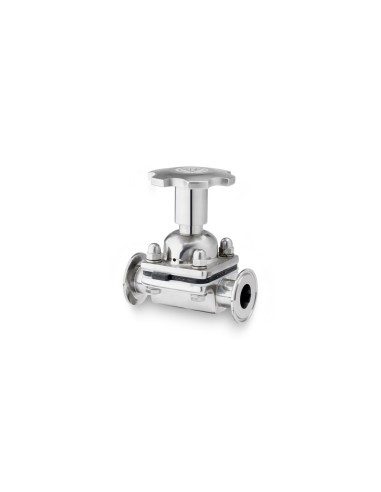
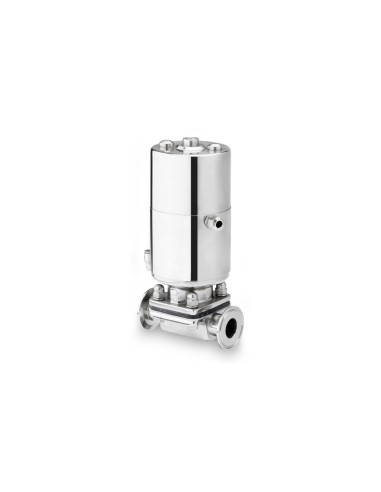
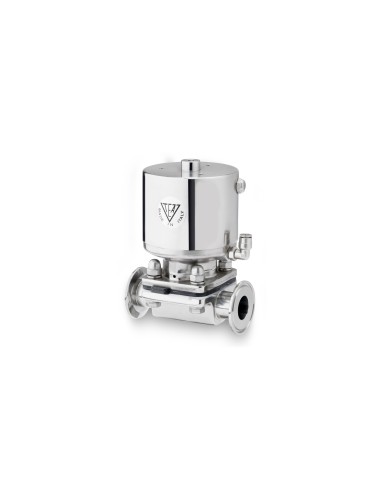
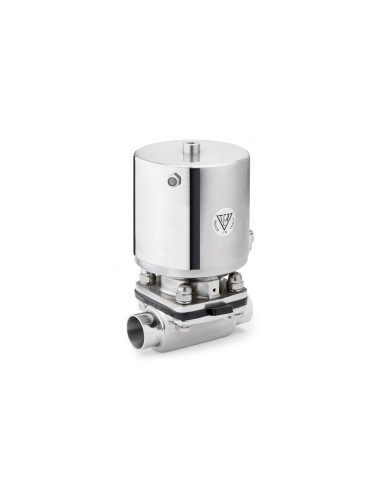
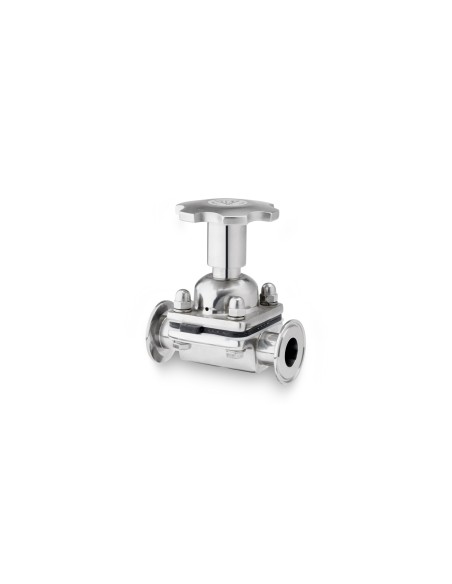
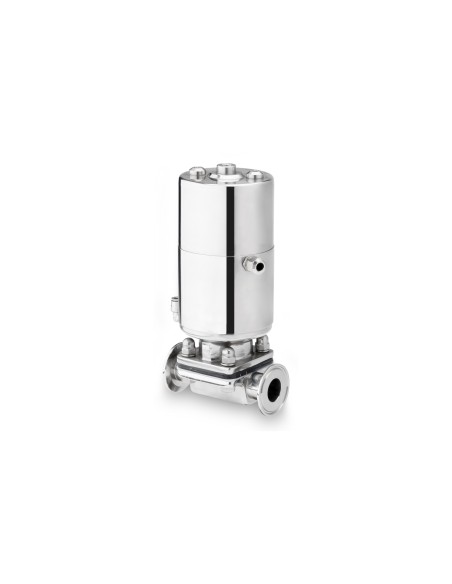
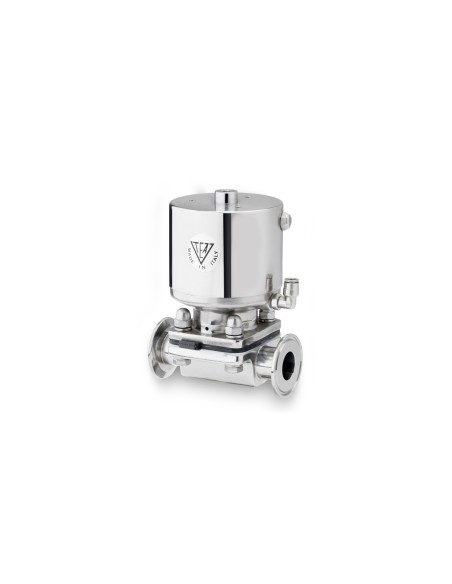
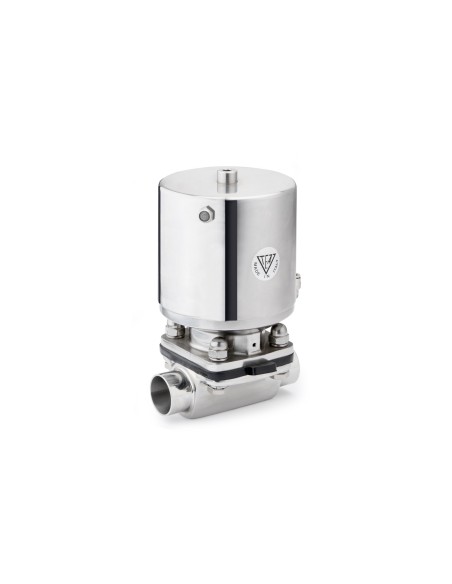
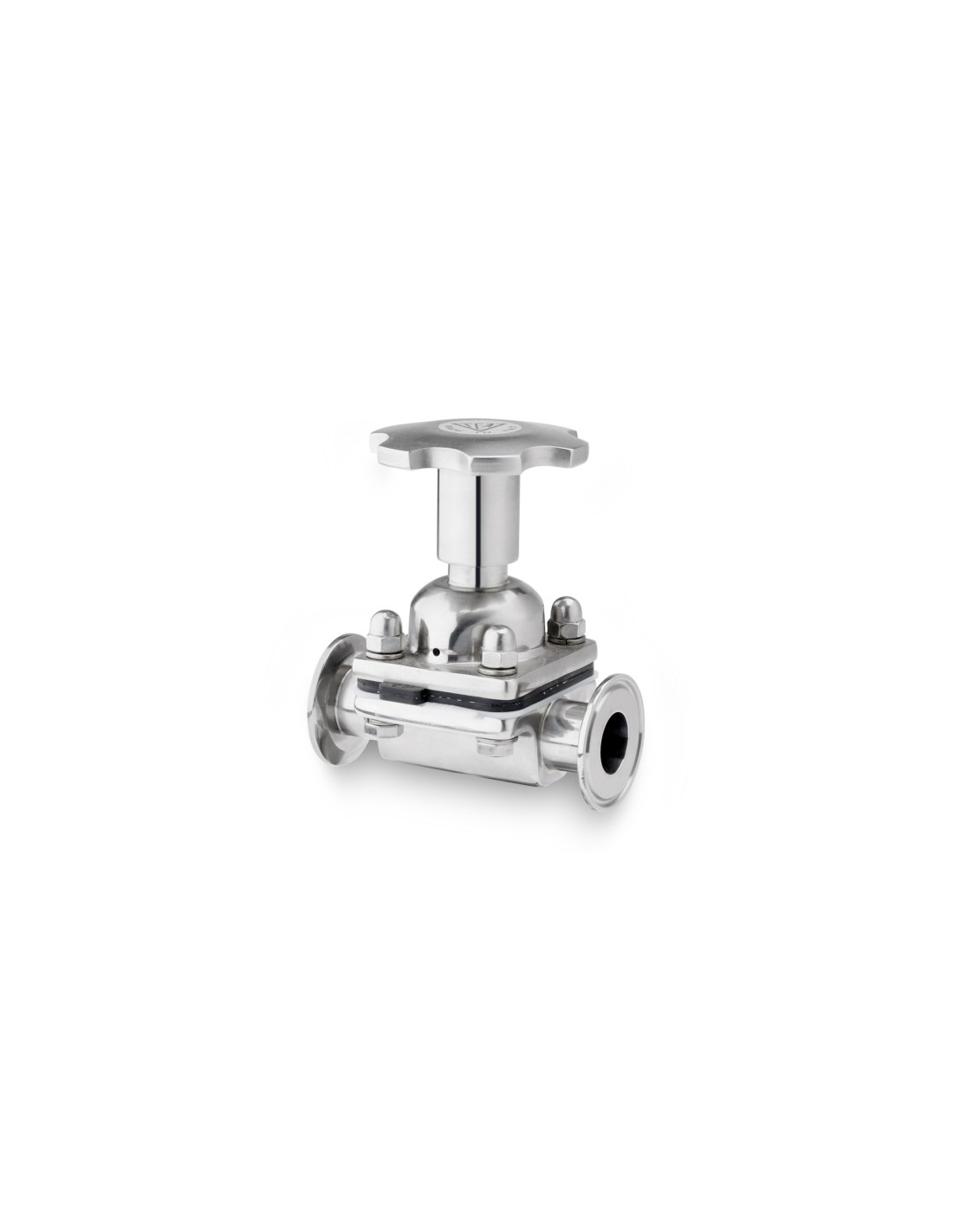
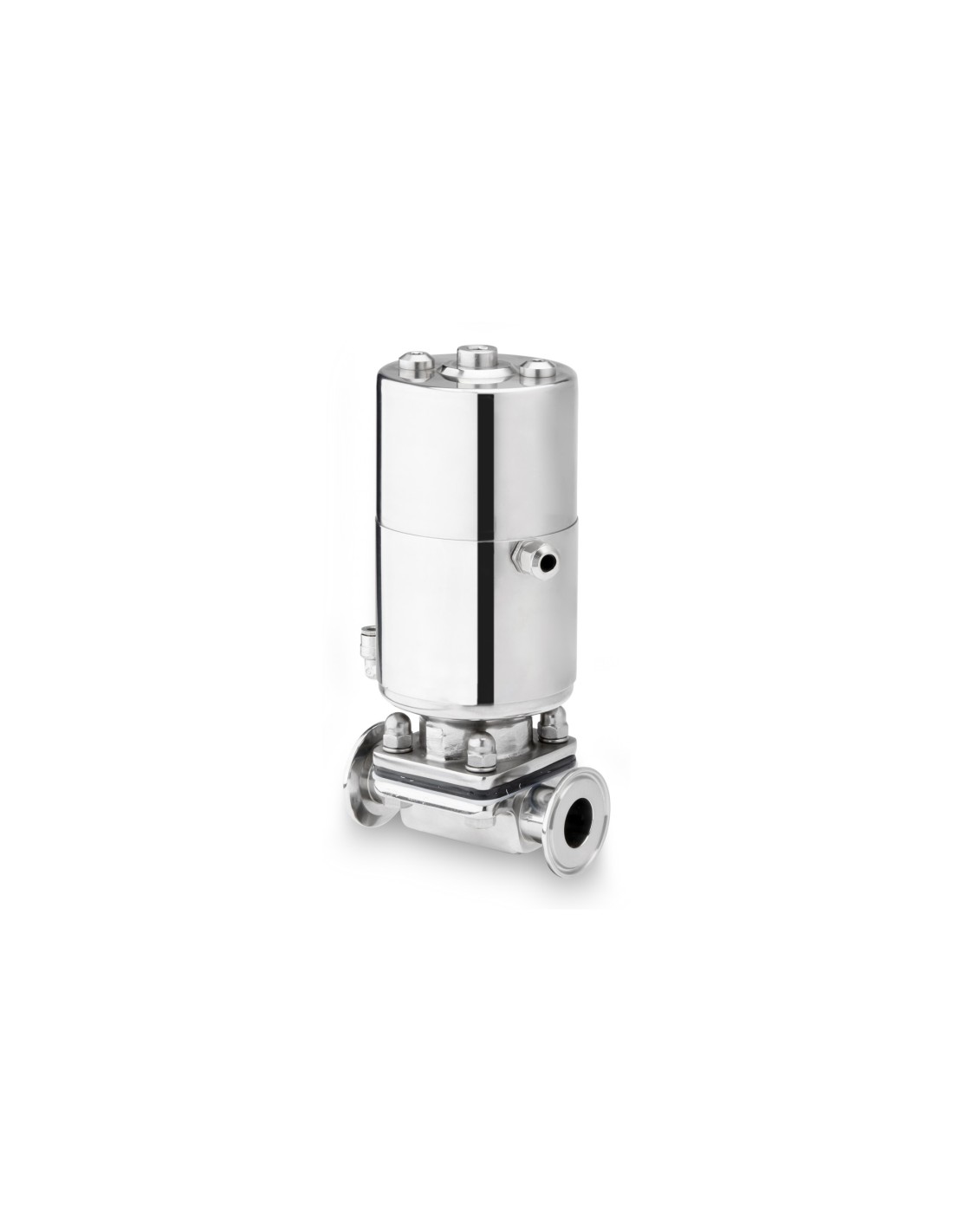
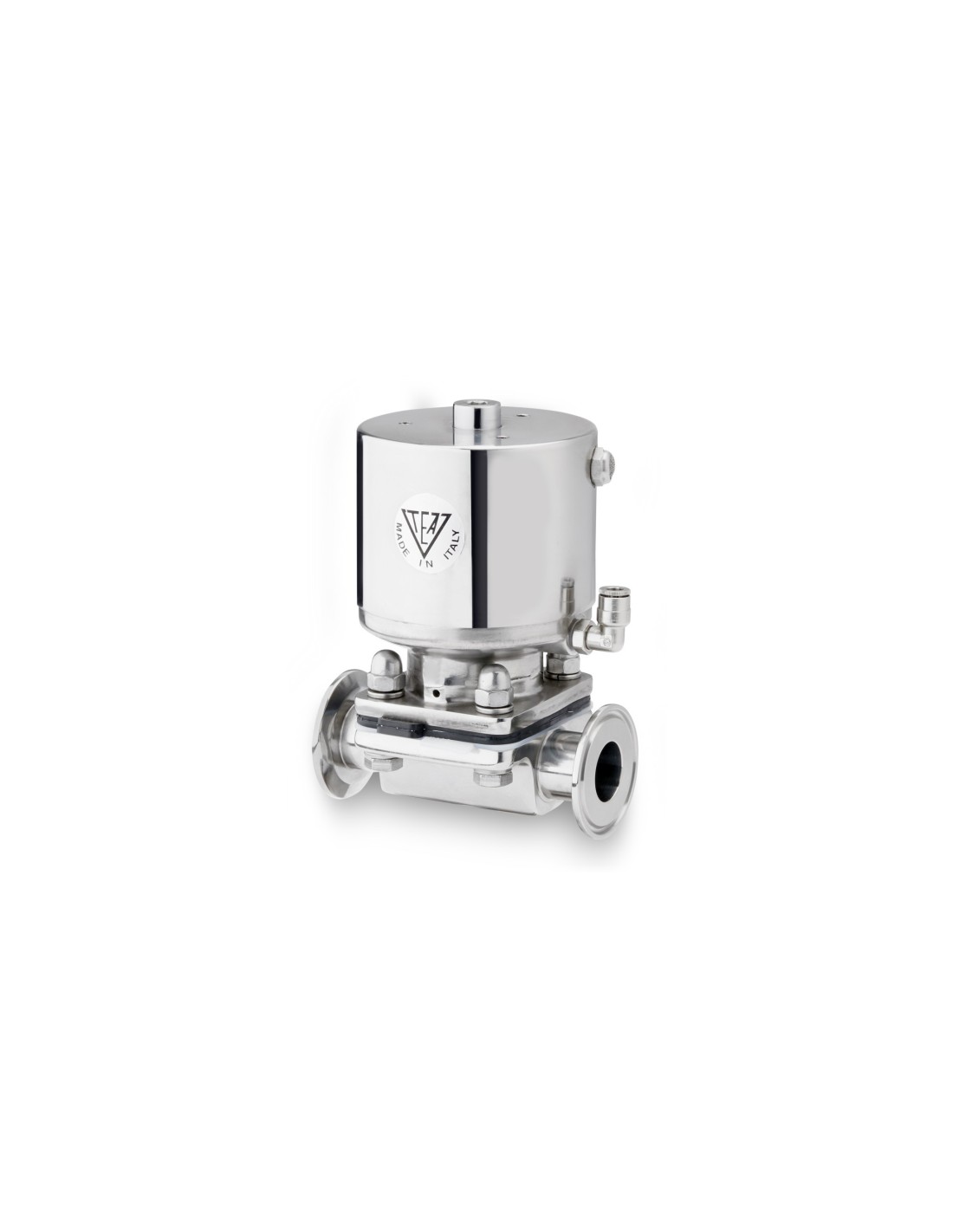
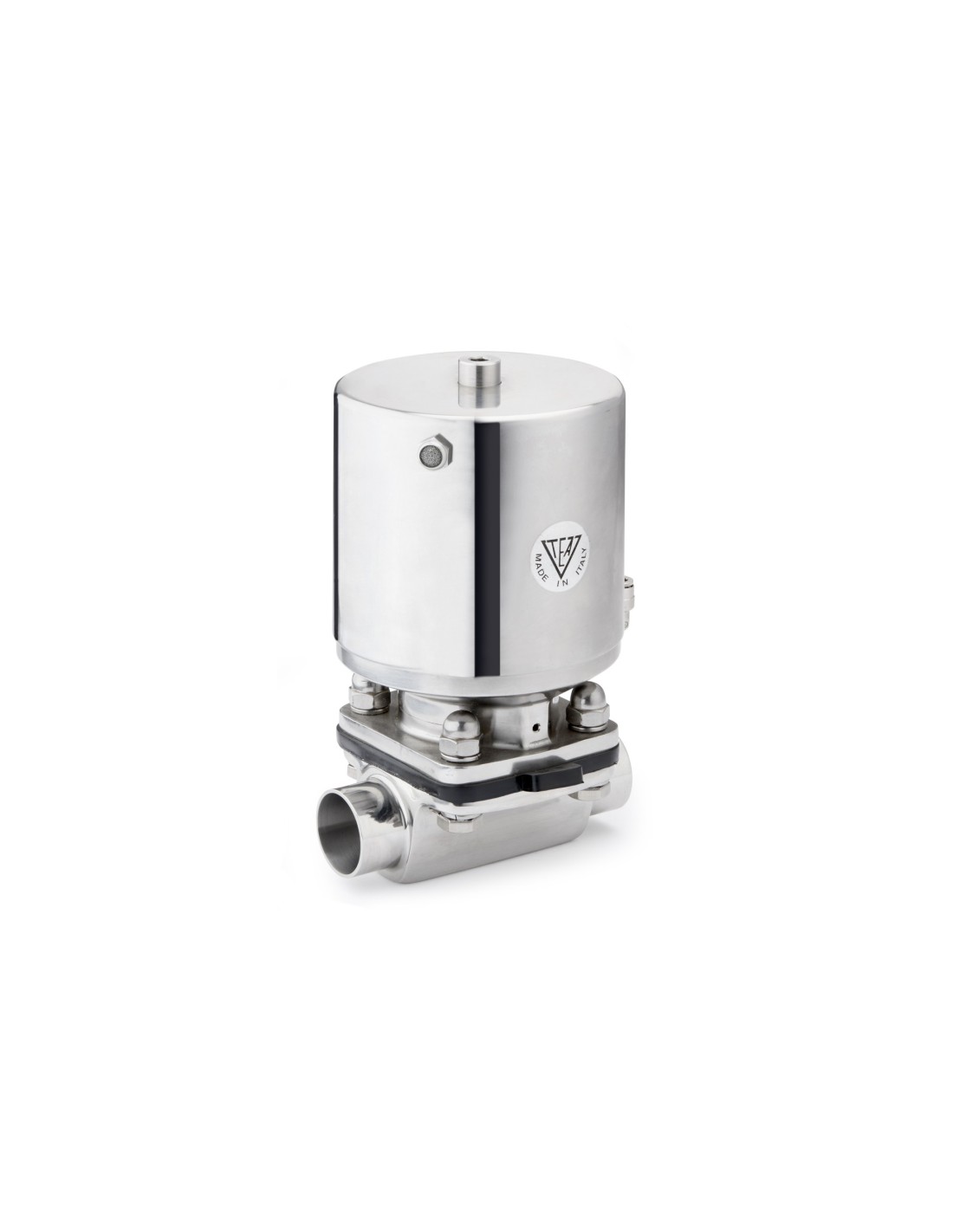
Tassalini diaphragm valves are sanitary isolation valves for product lines, CIP/SIP, and sampling in pharmaceutical, biotech, and food industries. The diaphragm isolates the product from the stem and handling mechanism, reducing the risk of external contamination. The design ensures self-draining of internal parts during CIP.

Construction and Standards

  • Body made from AISI 316L, hot forged, solution heat-treated, machined, and polished.
  • Manufactured according to 3-A criteria and testing.
  • Manual or pneumatic actuators from AISI 316L, suitable for high-temperature sterilization.
  • Top-entry maintenance without removing the body from the line.

Operating Limits and Surfaces

The technical sheet specifies a maximum product pressure of 10 bar for manual valves, 7 bar for pneumatic, and a recommended operating pressure of 6 bar. Product operating temperature: -10 °C to +95 °C. Diaphragm limits: EPDM -30 °C to +140 °C and PTFE -10 °C to +150 °C.

Available surface finishes:

  • 150 grit: Ra 0.76–0.89 μm
  • 240 grit: Ra 0.38–0.51 μm
  • 400 grit electropolished: Ra ≤0.2 μm

Connections and Versions

The production range covers DN10–DN50 / ½”–2”. Basic connections are clamp and weld ends, with DIN, SMS, RJT, ISS threads, and UNI, DIN, ANSI flanged connections available on request. Versions include 2-way, 3-way, tank-bottom, sampling, and modulating.

Diaphragm Selection

Food-grade EPDM is used as the standard material. PTFE is selected when increased chemical resistance or lower product adhesion is required. Selection should be checked based on temperature, CIP/SIP cycles, cleaning chemicals, and product compatibility.

FAQ

When is the pneumatic version selected?
When the valve is integrated into CIP automation, batching, or dosing, requiring feedback, control unit, or electrical components.

What is the main maintenance advantage?
Diaphragm replacement is done from the top, with the body remaining installed in the piping.

Description

Our diaphragm valves are made in strict conformity with the criteria and tests required by the 3-A standards. The bodies are manufactured from Aisi 316L stainless steel and press-forged, solution heat-treated and polished. The manual and pneumatic controls allow high temperature sterilization.

The standard diaphragm material is food-grade EPDM. PTFE diaphragms are available as an option. The EPDM diaphragms and the elastic supports for the PTFE diaphragms are fabric-finished to give high mechanical strength. The valve design ensures complete insulation from external pollutants and self-drainage of all internal parts during CIP process.

Maintenance is reduced and top-entry with easy access and no need of removing the valve from the system.

The standard finish is 150 grit (Ra 0.76-0.89 µm max).

240 grit (Ra 0.38-0.51 µm max) and 400 grit finish (Ra 0.2 µm max) are available as options.

The maximum operating pressure is 7 bars.