
Boiler House Equipment
Boiler house equipment is used in industrial steam generation systems for level control, water quality management, blowdown, sampling, feedwater handling, and heat recovery. Selection should be based on boiler operating pressure, saturation temperature, steam flowrate, condensate return rate, feedwater quality, safety requirements, and material compatibility with boiler water, steam, and chemical treatment media.
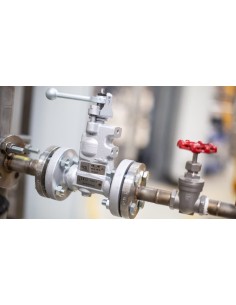
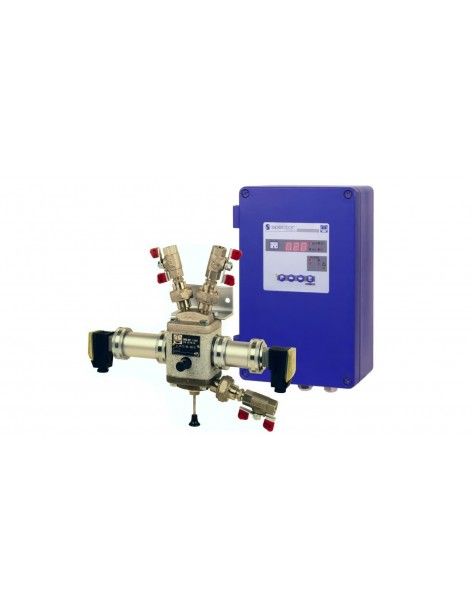
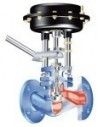
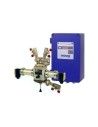
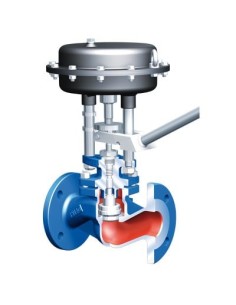
Bottom and surface blowdown valves remove sludge, precipitated salts, and concentrated dissolved solids from the steam boiler. In continuous blowdown applications, TDS conductivity control is linked to automatic discharge to maintain dissolved solids within operating limits. Available configurations include DIN design, flanged connections, PN40 pressure rating, and body material 1.0619+N for blowdown valve service.
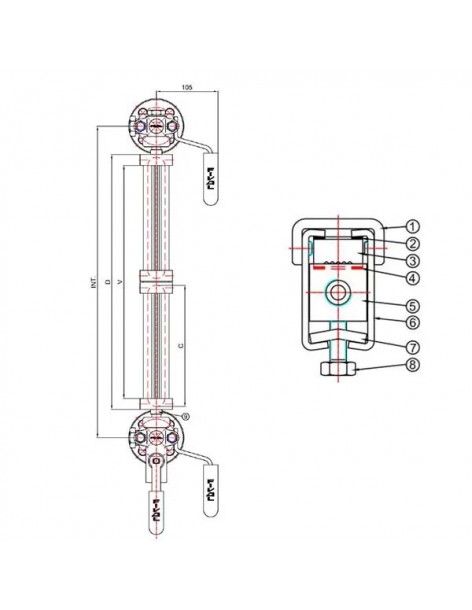
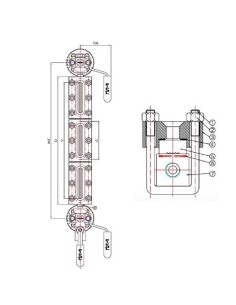
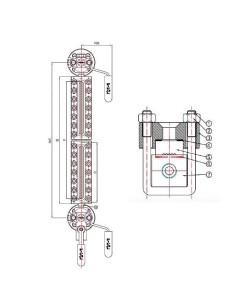
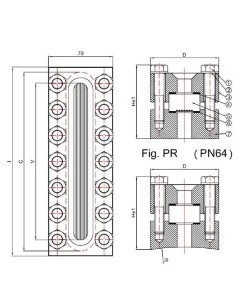
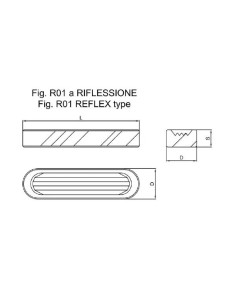
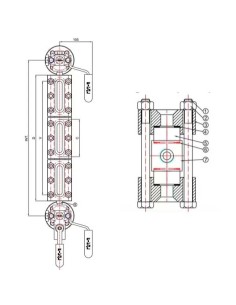
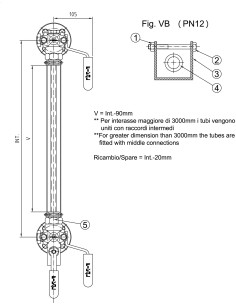
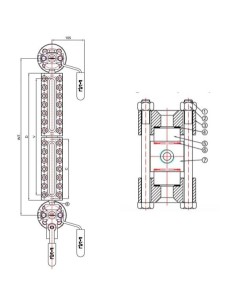
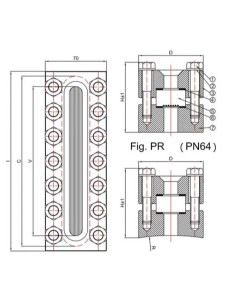
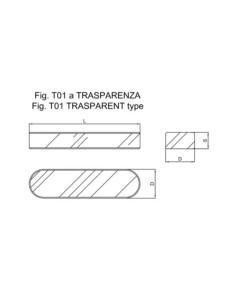
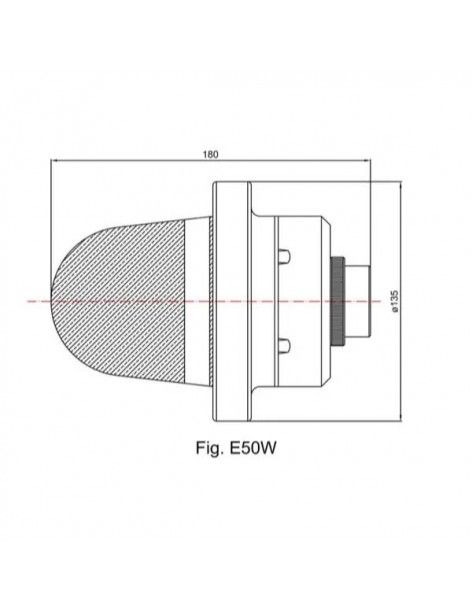
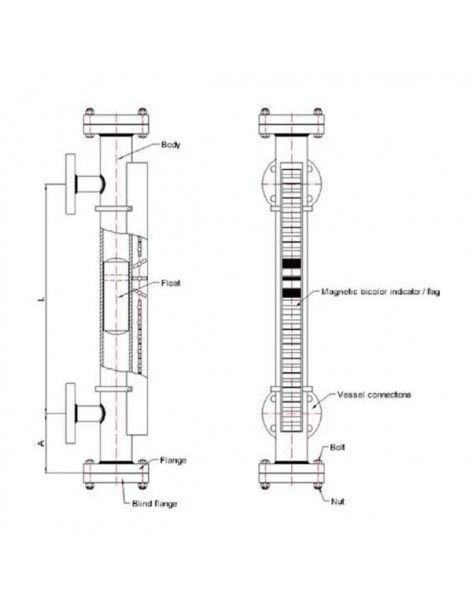
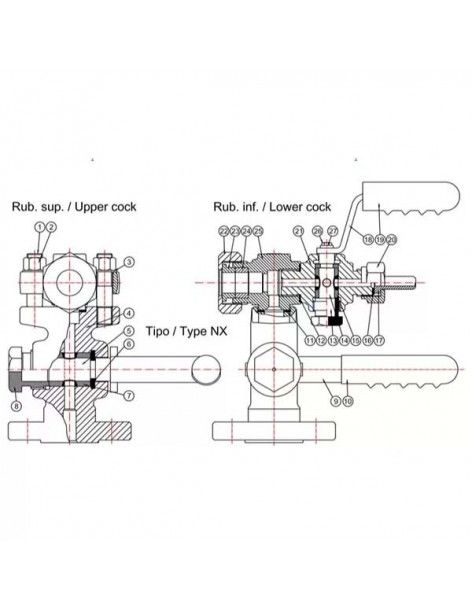
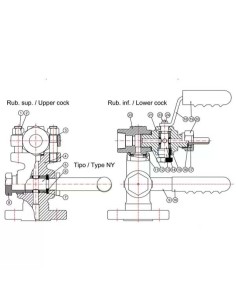
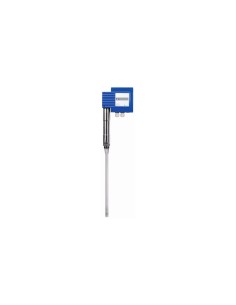
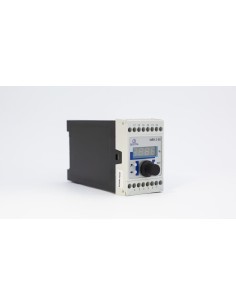
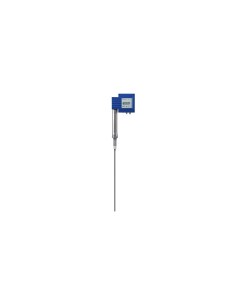
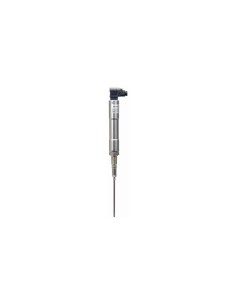
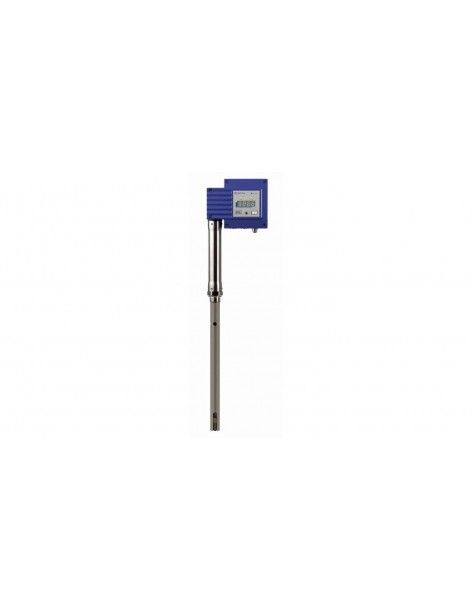
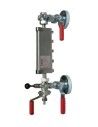
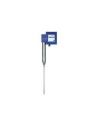
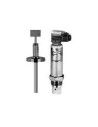
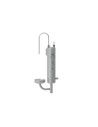
Gauge glasses, level electrodes, and level controllers form part of the low-water and lockout protection system. Selection should consider boiler pressure, operating temperature, indication type—reflex or transparent—installation orientation, and compatibility with the safety control circuit. Visibility, pressure containment, isolation arrangement, and maintenance access should also be evaluated.
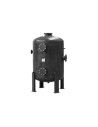
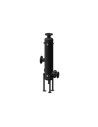
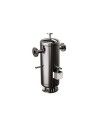
Blowdown vessels, sample coolers, and flash steam recovery vessels are used for controlled depressurization, cooling, and energy recovery from boiler water or condensate streams. Key selection parameters include DN, PN or ANSI Class, thermal load, flash pressure, reject water flowrate, discharge temperature to drain, and safe sampling requirements. Pressure letdown, venting, and downstream thermal shock conditions should be checked during sizing.
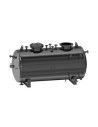
Deaerators and feedwater tanks condition water before boiler entry by reducing dissolved O2 and CO2, which are associated with corrosion in boilers, condensate systems, and return lines. Maintenance should include inspection of sensors, cleaning of blowdown lines, valve function checks, verification of TDS and turbidity, and operational testing of level instrumentation. Leakage at shut-off valves, fouling in sensing lines, and calibration drift in control devices should be included in routine inspection procedures.