
Conductivity Measuring
Conductivity control in steam boilers is used to estimate total dissolved solids (TDS) in boiler water. As steam is generated, salts and dissolved contaminants remain in the water circuit; without controlled removal they can cause scale formation, foaming, carry-over, and changes in heat transfer across boiler heating surfaces. TDS systems measure electrical conductivity and are used for continuous or intermittent control of boiler blowdown.
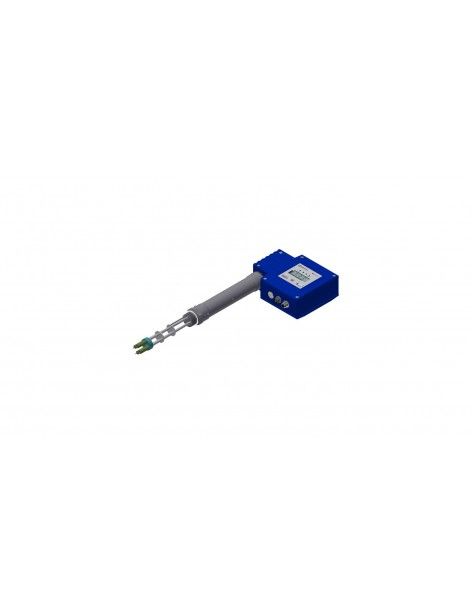
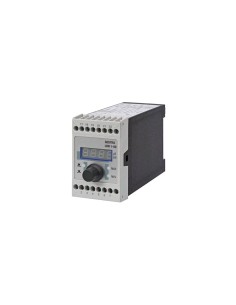
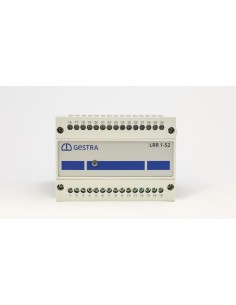
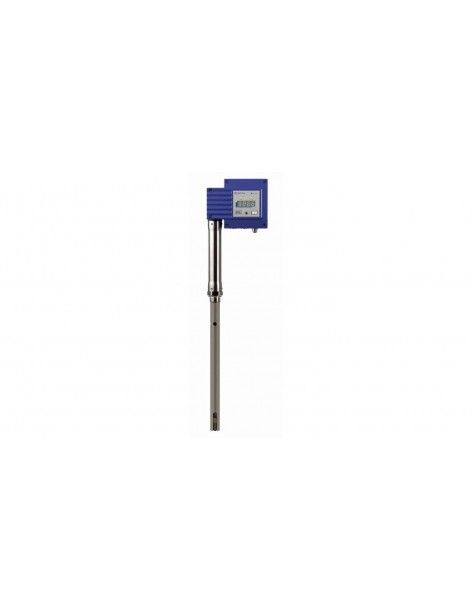
This category includes Gestra SPECTORcompact and SPECTORconnect conductivity electrodes, together with SPECTORmodul and SPECTORmodul Touch controllers for boiler house applications. The electrodes are installed at a representative boiler water sampling point and operate with a controller so that the measured conductivity can be compared with defined operating limits. When conductivity exceeds the setpoint, the controller can actuate a continuous blowdown valve or discharge circuit, limiting unnecessary loss of water, thermal energy, and water treatment chemicals.
The SPECTORconnect range supports bidirectional digital data exchange, including supply voltage, temperature, limit values, and fault messages, which is relevant for boiler automation and supervisory control. SPECTORmodul controllers are intended for parameterization of core control functions, while the SPECTORmodul Touch version uses a color touchscreen for parameter entry and operating status review.
Selection should consider the conductivity measurement range, boiler operating temperature and pressure, installation location, temperature compensation method, cable compatibility, alarm logic, and provisions for periodic calibration or electrode cleaning. In boiler water service, sensor response stability, resistance to contamination, and integration with the blowdown control philosophy are typically more important than display features alone.