
Deaerators
Deaerators are used in boiler feedwater systems for thermal removal of dissolved oxygen and carbon dioxide before the water enters the boiler. Operation is based on heating returned condensate and softened make-up water to a temperature close to saturation, so that dissolved gases are released and discharged through a vent connection. After deaeration, the water is stored in a feedtank under a steam blanket, which limits reabsorption of atmospheric gases.
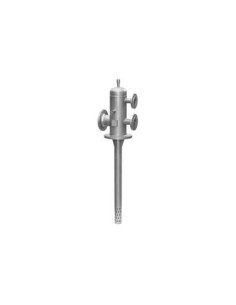
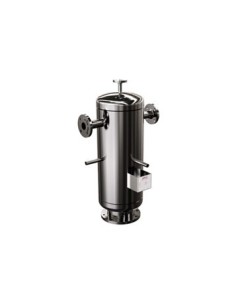
This category includes ADCA TDG and ADG units. The TDG is a tray-type thermal deaerator with a deaeration dome and counter-current steam-to-water contact arrangement. Depending on operating conditions and downstream chemical treatment, it can reduce dissolved oxygen in boiler feedwater to below 0.02 mg/l. The ADG is an atmospheric semi-deaerator intended for feedwater preheating and partial deaeration, with reported residual oxygen levels below 1.6 mg/l.
Both series are configured with a storage vessel, deaeration section, vent, and temperature and level control instrumentation. The TDG also includes pressure control. Connections are available flanged to EN 1092-1 or ASME, and threaded to ISO or NPT standards. Standard construction is carbon steel with stainless steel internal components, with full stainless steel construction available where required by water chemistry or corrosion considerations. Referenced design limits are PS 0.5 bar, TS 120 °C, and minimum operating temperature -10 °C, with design to AD-Merkblatt.
Deaerator selection should be based on boiler steam generation rate, condensate return ratio, make-up water temperature, available heating steam pressure, feedtank storage volume, and the residual oxygen level acceptable for the chosen chemical oxygen scavenger program. In systems fitted with a vent condenser, part of the flash steam energy can be recovered, reducing vent losses and improving thermal balance.