
Level Indicators - Reflex Type - 00000143 - Reflex Level Gauge Mod. RMF NX - NY | Fival Srl

Fival RMF NX / NY – Reflex Multi-Section Level Gauge
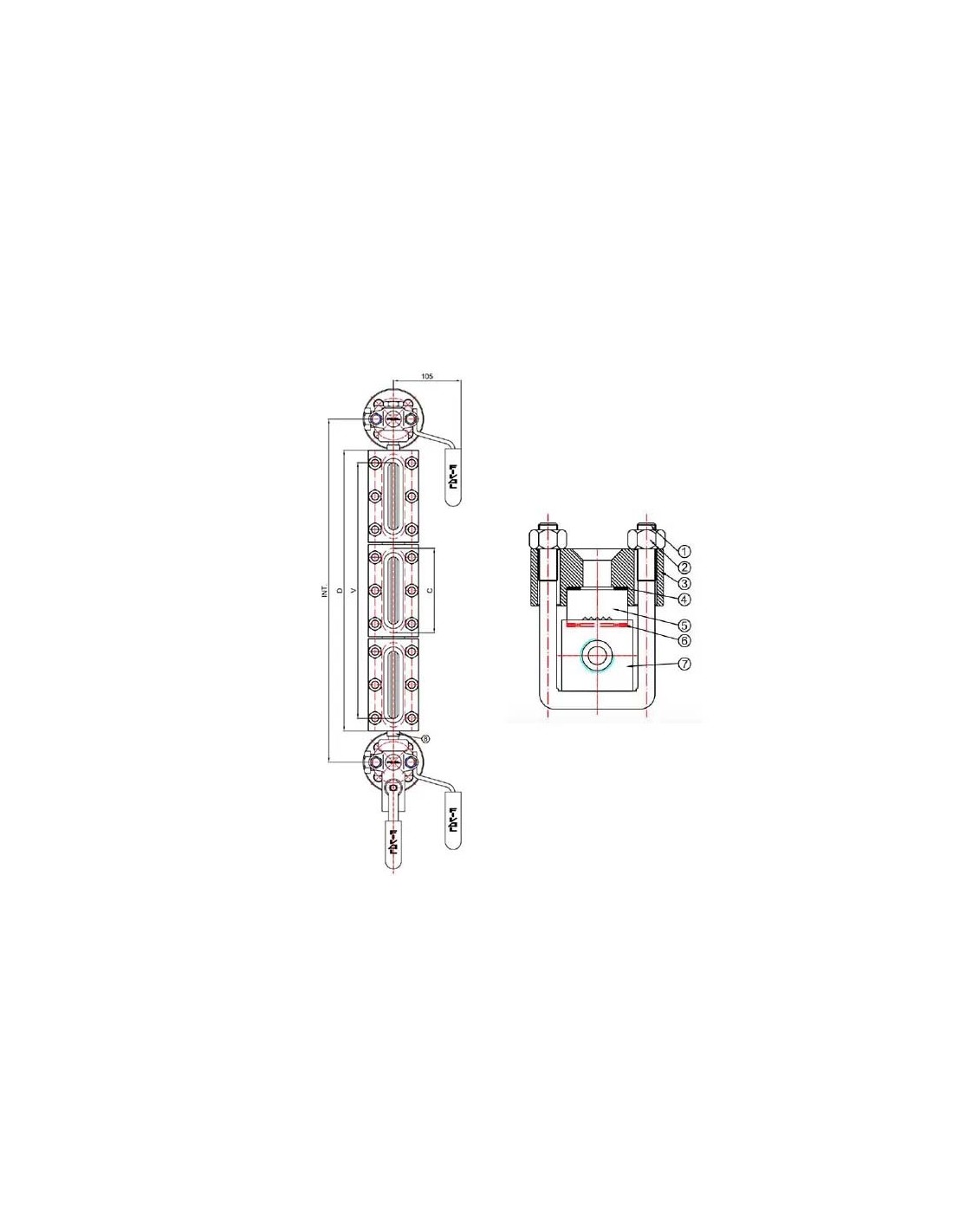
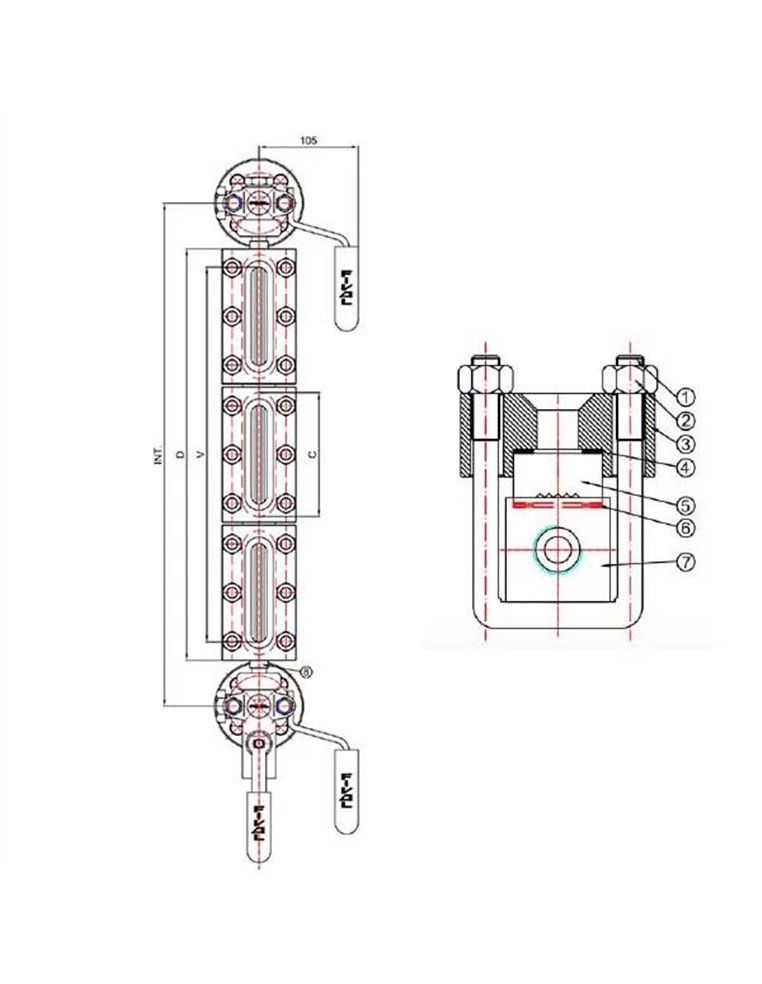
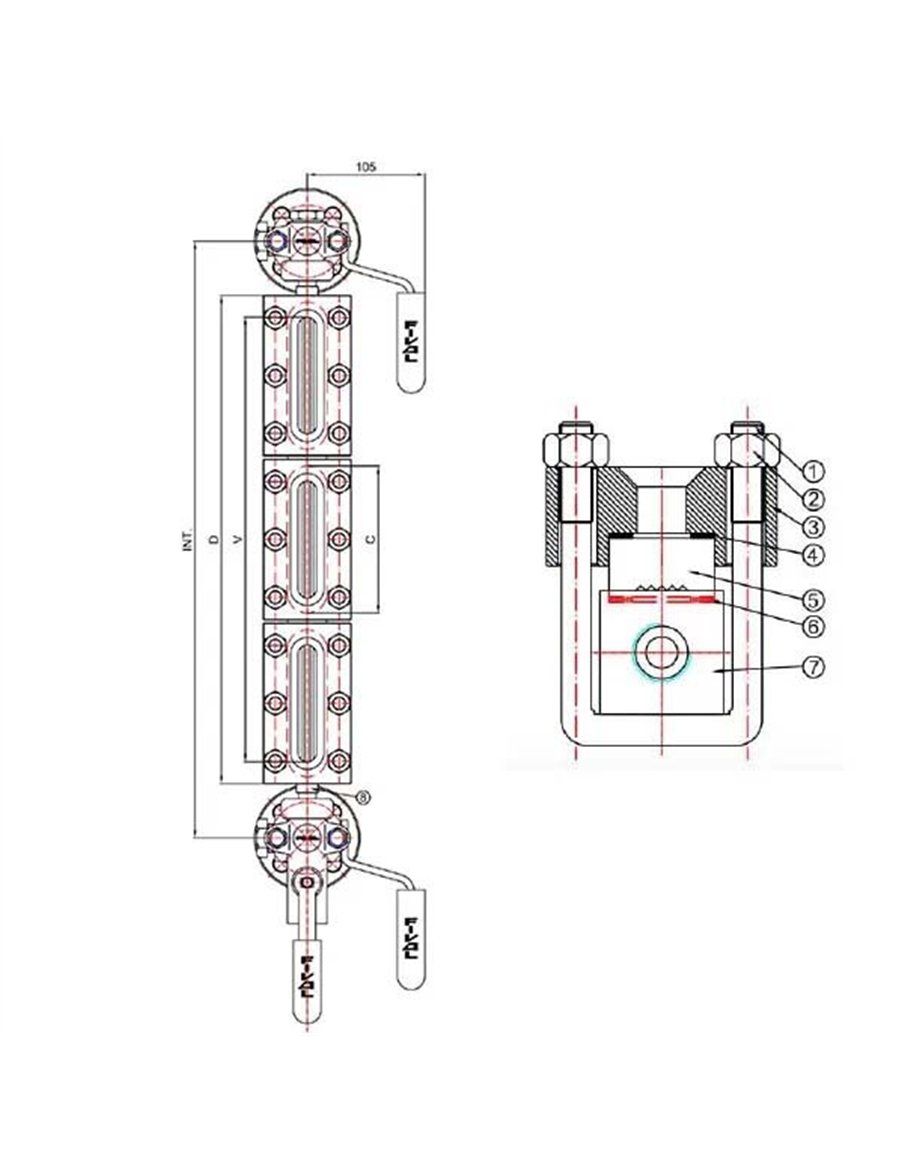
The Fival RMF NX/NY is a reflex-type visual level gauge designed for direct indication of liquid and vapor phases in pressure vessels, steam boilers, and process auxiliary circuits. The multi-section borosilicate glass construction is specified when a longer visible length is required than can be achieved with a single-section gauge.
Operating Principle
Reflex borosilicate glass differentiates the liquid and vapor/gas zones by refraction, enabling local level reading without the need for electrical supply or signal transmission devices. The gauge provides a direct, unambiguous visual indication.
Construction
- Type: RMF NX / RMF NY
- Configuration: multi-section Reflex glass
- Standard glass: Type A, 30 mm width
- Typical connection flanges: PN40 DN20
- Reference design: Fig. DC, PN64
- Level body: carbon steel
- Covers: carbon steel
- Studs/nuts: B7 / 2H
- Upper gasket: asbestos-free
- Lower gasket: graphite
- Glass: borosilicate Reflex
- Nipples: carbon or stainless steel
NX vs NY Variant
- NX: connection between gauge and valves via plain tubes and compression fittings.
- NY: connection via threaded nipples.
Selection depends on mechanical layout, maintenance requirements, available space, and isolation valve connection method.
Specification Data Required
For ordering, specify:
- center-to-center distance
- connection size and type
- right or left hand valve orientation
- operating pressure and temperature
- process medium
- requirements for stainless covers or fasteners
Applications
Used in steam boilers, condensate vessels, water tanks, thermal circuits, and industrial vessels requiring local level indication. For corrosive, fouling, or crystallizing media, verify compatibility of glass, gaskets, and metallic components.
Maintenance
Inspection includes tightening, gasket leakage, glass cleanliness, Reflex surface wear, and operation of isolation/drain valves.
Datasheet and documents