

Vaccum Relief Valves For Tanks
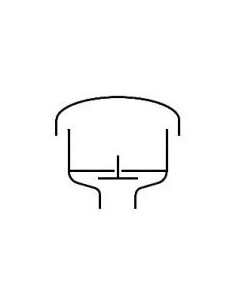
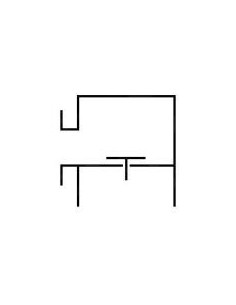
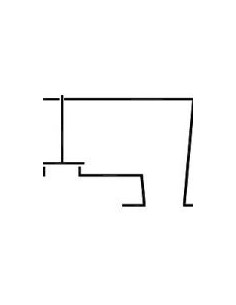
Tank vacuum relief valves are used on storage tanks, vessels, and vent openings to protect the shell against excessive vacuum during emptying, product cooling, or changes in operating conditions. The valve opens when internal pressure falls below the specified vacuum setpoint and allows controlled inlet of air or inert gas. This limits shell deformation, mechanical stress, and unintended loading of the tank.
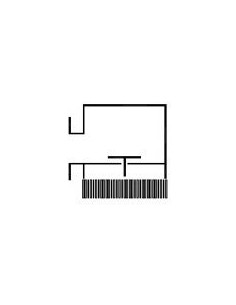
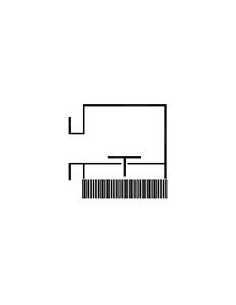
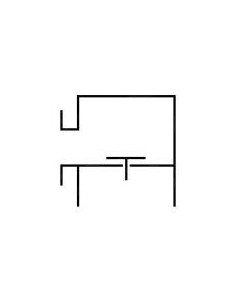
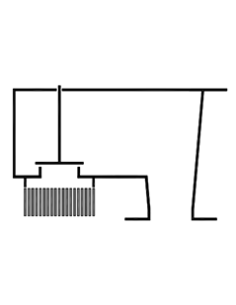
This category includes KITO vacuum relief valves type D8N, D9N, D11N, D11.1N, D12N, D12.1N, D12.4N, D13N, and D14N. Types D8N, D11N, D11.1N, and D14N incorporate a flame arrester for prevention of flame transmission in services involving flammable liquids or vapors. Types D9N, D12N, D12.1N, D12.4N, and D13N are intended for vacuum relief duty without explosion-proof function and should not be applied on flammable media where the manufacturer excludes such use.
Explosion-proof versions are intended for end-of-line installation or mounting on the tank roof and are specified for explosion group IIB3 with MESG ≥ 0.65 mm and maximum operating temperature of 60 °C. Installation may be combined with a pressure relief valve on a common connection nozzle where full tank breathing capacity is required for both overpressure and vacuum conditions.
Available configurations include DIN standardization, flanged connections, pressure classes PN 10, PN 16, and PN 40, and materials 1.0619, 1.4408, 1.4571, and steel. Valve selection should be based on vacuum setpoint, required inbreathing capacity, explosion group, chemical compatibility with the stored medium, pressure loss, condensate formation, and access for inspection and cleaning of the seat, pallet, and flame arrester element. Leakage behavior, fouling tendency, and maintenance interval should also be considered during specification.