
Control
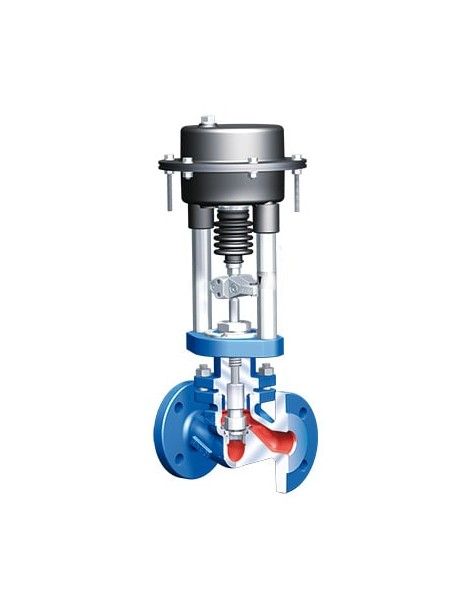
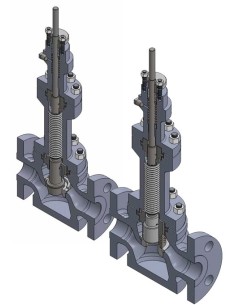
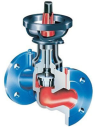
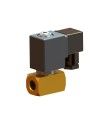
Control valves are used for continuous or on/off modulation of flow, pressure, differential pressure, and temperature in steam, water, condensate, thermal oil, air, and industrial fluid systems. Selection should not be based on DN alone, but on Kvs/Cv, available pressure drop, valve authority, inherent flow characteristic, noise, cavitation/flashing risk, seat leakage class, and material compatibility with the process medium.
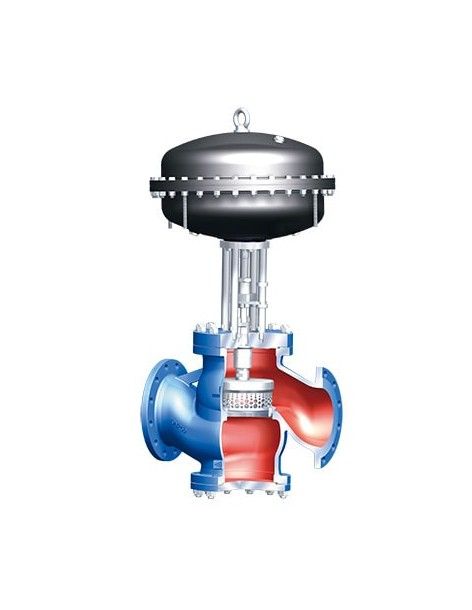
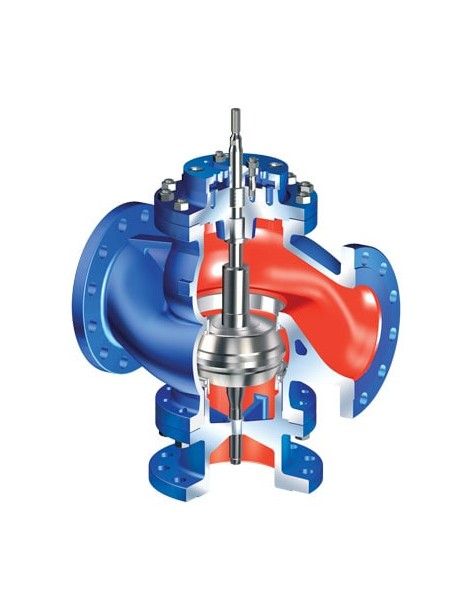
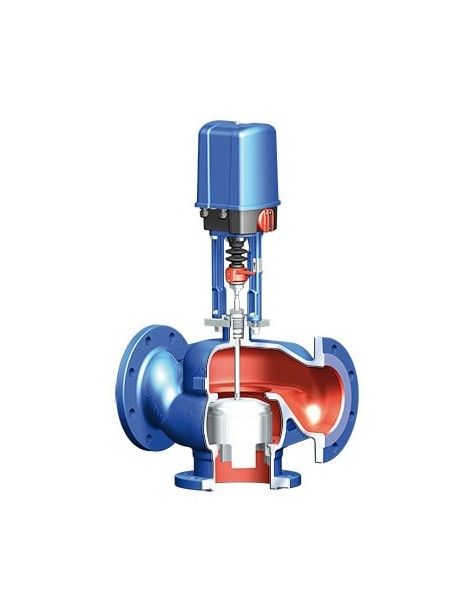
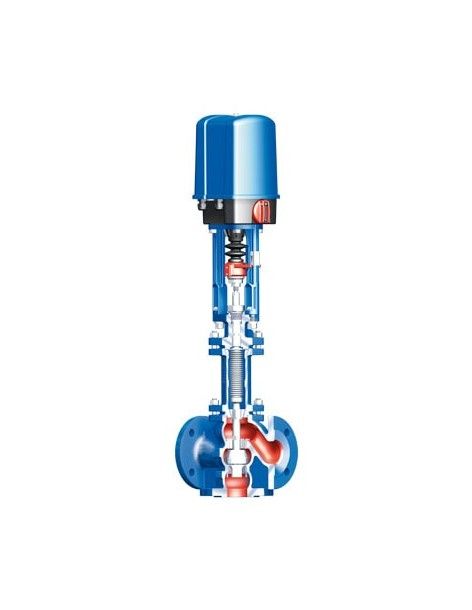
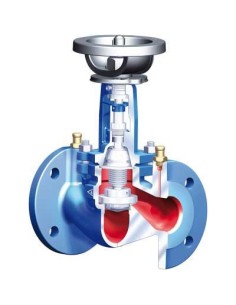
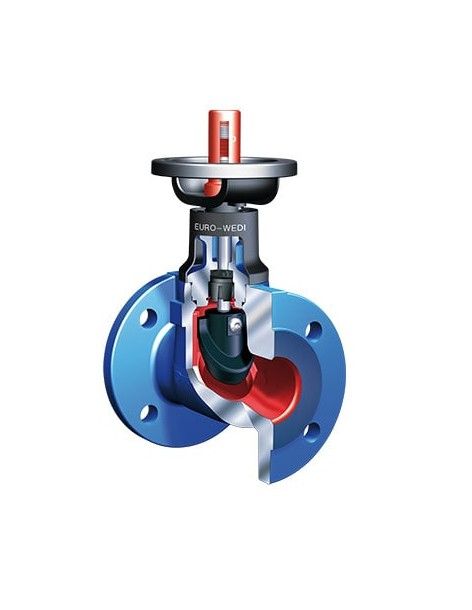
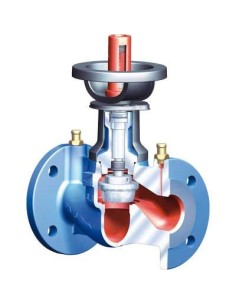
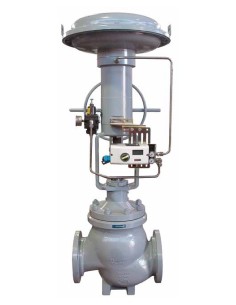
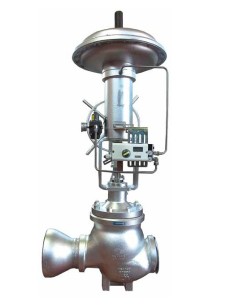
The category includes 2-way and 3-way modulating valves in globe, cage-guided, single-seated, segmental V-notch, angle-pattern, cryogenic, and bellows-sealed designs. STEVI Pro valves are referenced with DIN flanged ends, body materials such as EN-JL1040, EN-JS1049, and 1.0619+N, nominal pressure ratings PN16, PN25, and PN40, and temperature capability up to 400°C depending on material selection. Stem sealing options include PTFE, EPDM, graphite, or stainless steel bellows. Seat leakage is specified in classes IV–VI according to DIN EN 60534-4.
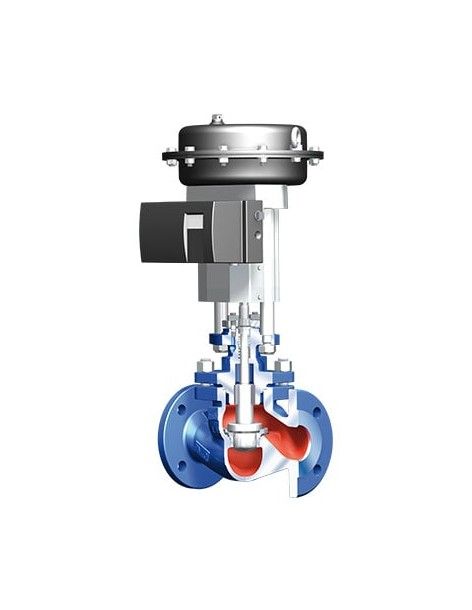
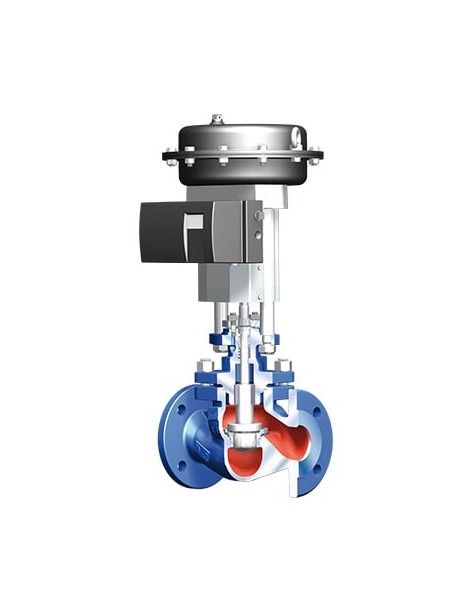
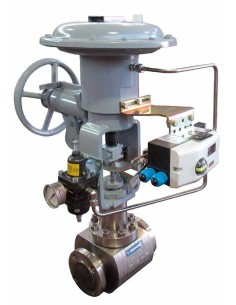
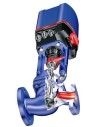
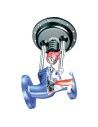
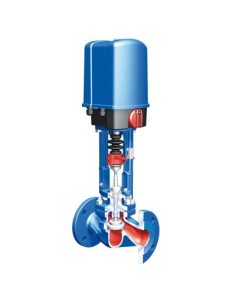
For automated control, the valve must be matched with a suitable pneumatic or electric actuator, positioner, control signal, and fail-safe position. In pneumatic arrangements, the evaluation includes instrument air pressure, spring-to-open or spring-to-close action, response time, and provision for manual override. In hazardous areas, ATEX compatibility must be verified.
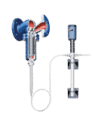
Differential pressure control and balancing valves are used in pump bypass lines, heat exchangers, thermal oil circuits, and condensate networks. As an example, the PRESO type covers PN16, DN15–DN100, adjustment ranges from 0.5 to 10 bar, and Kvs values from 2 to 45 m³/h, with seat leakage class IV according to DIN EN 1349.
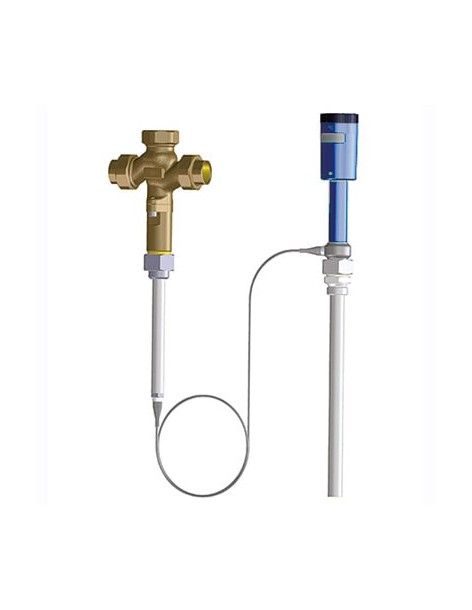
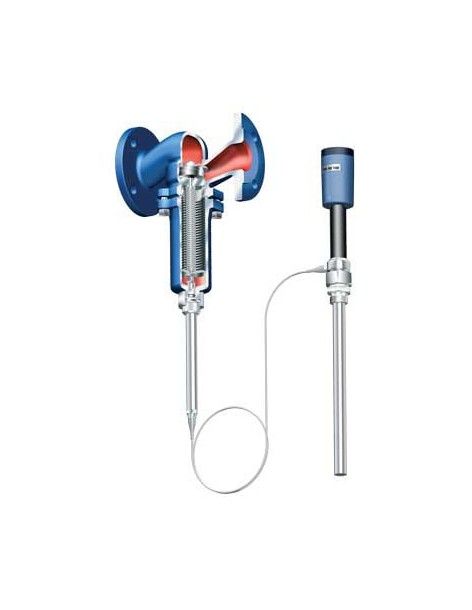
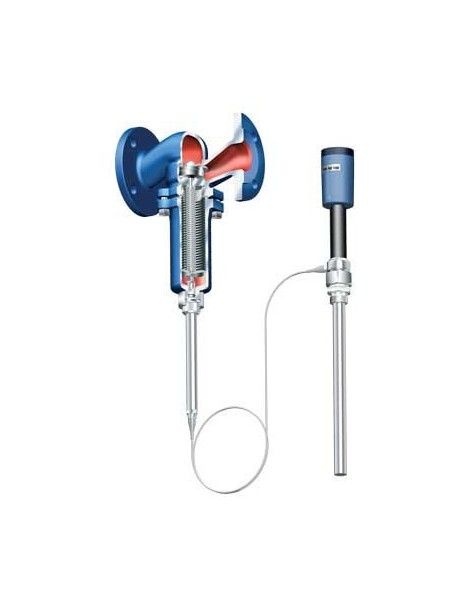
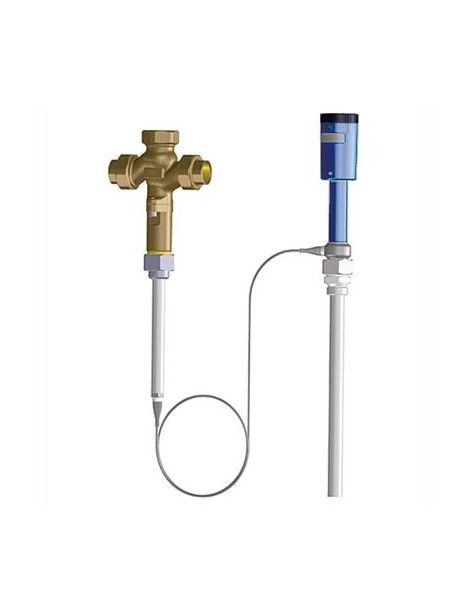
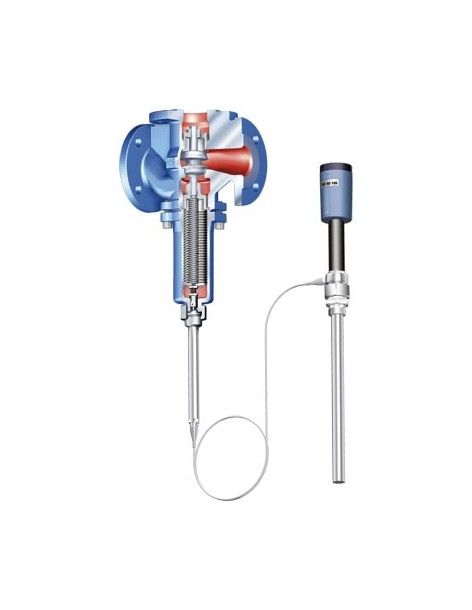
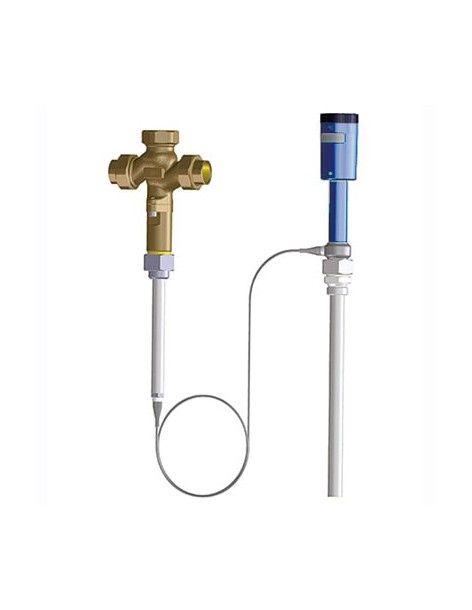
Thermostatic valves are applied where self-acting temperature control is required without external power, using a sensor, capillary, or thermal actuator. Correct operation depends on sensor location, response time, maximum differential pressure, Kvs sizing, flow direction, and installation conditions.