
Control Valves
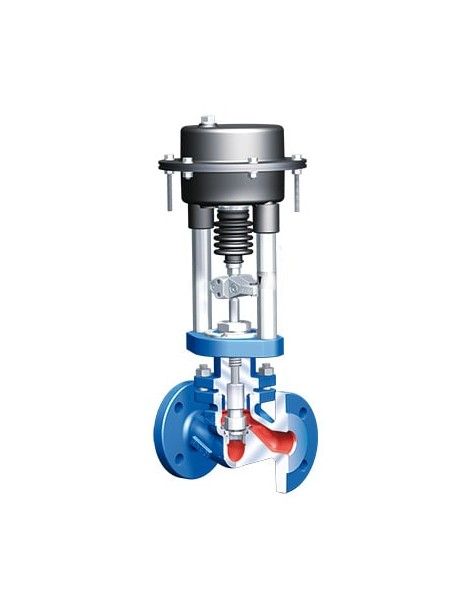
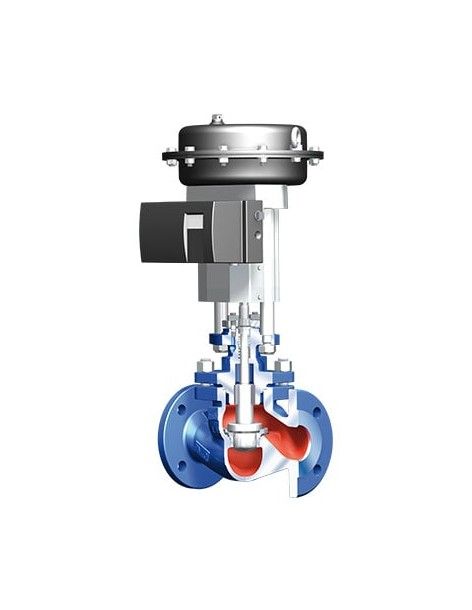
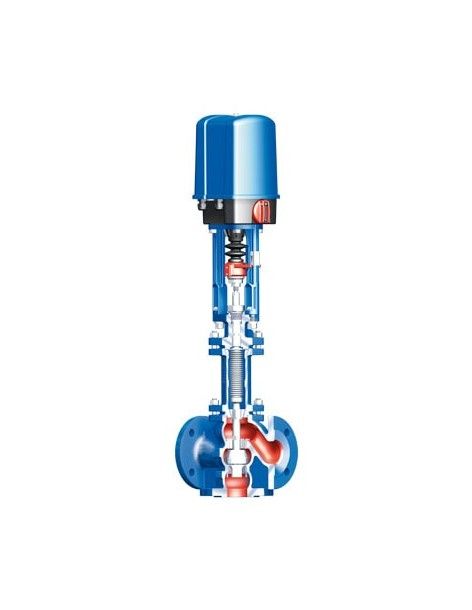
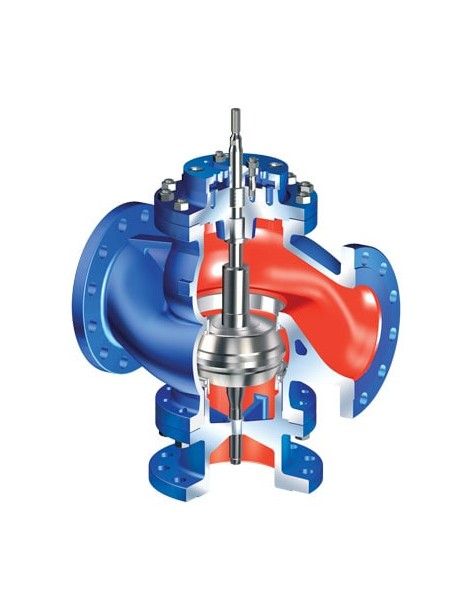
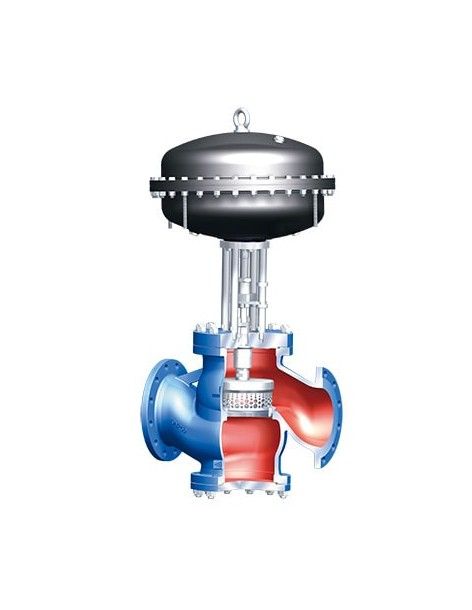
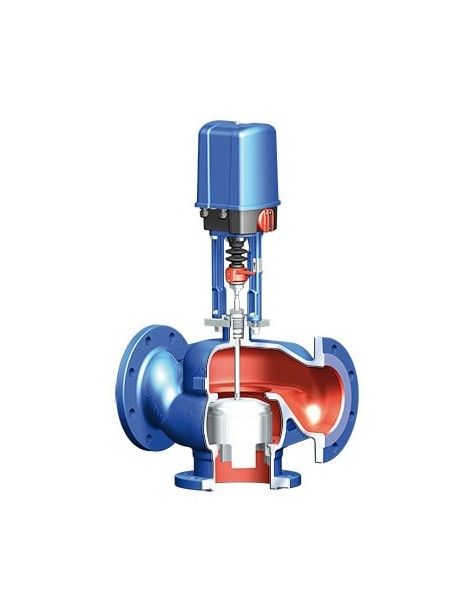
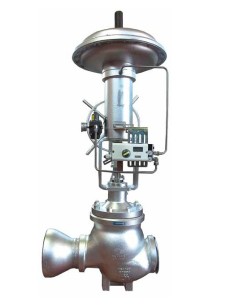
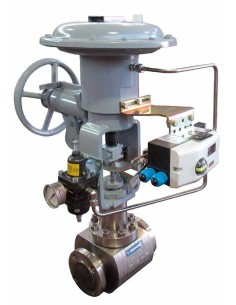
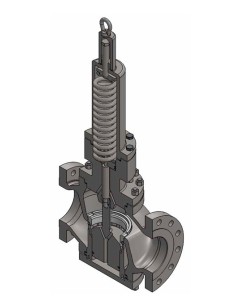
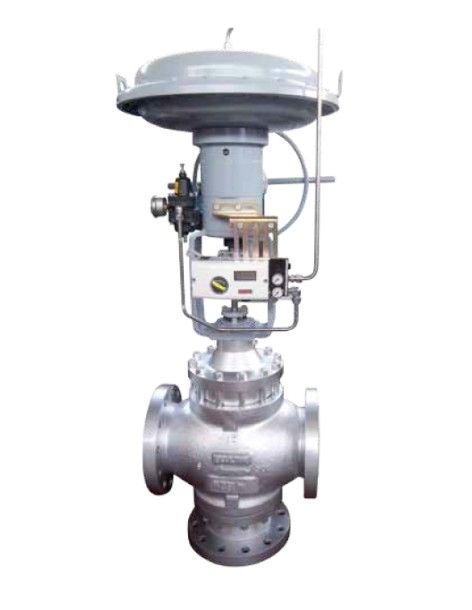
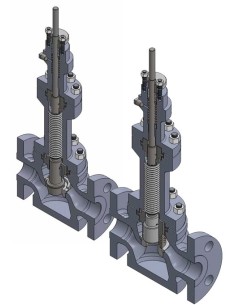
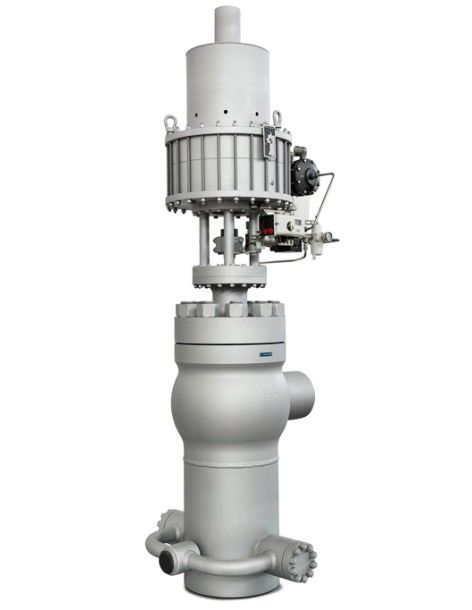
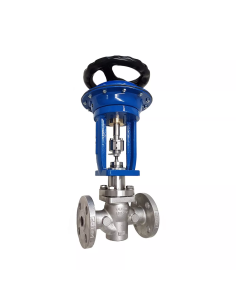
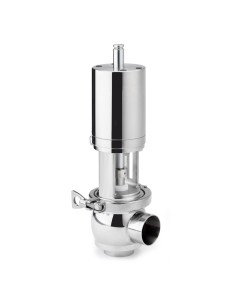
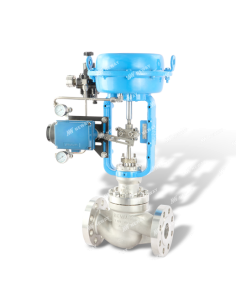
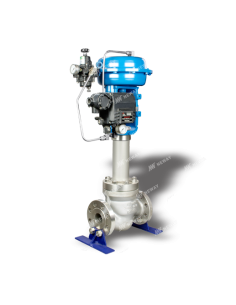
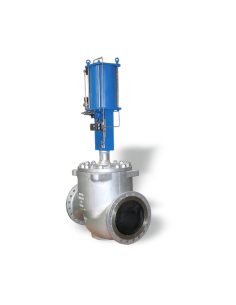
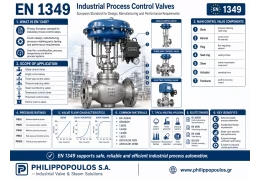
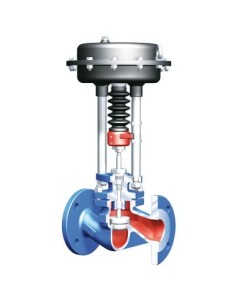
Analog control valves are used for continuous regulation of flow, pressure, level, or temperature in steam, water, gas, and process fluid systems. The category includes two-way and three-way control valves, mixing and diverting configurations, single-seated, cage-guided, V-notch segmental, angle-pattern, bellows-sealed, cryogenic-service, gas control, turbine bypass, desuperheating, and pneumatically actuated 3-A mix-proof valve arrangements.
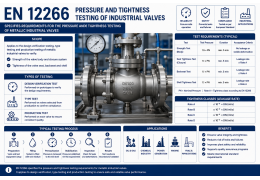
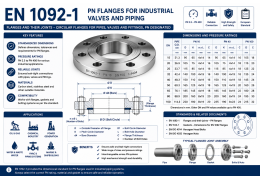
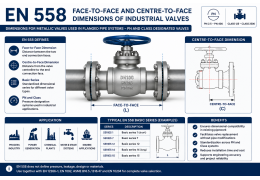
Valve selection is based on required Cv/Kv, differential pressure, control characteristic, risk of cavitation or flashing, material compatibility with the process medium, and shutoff requirements at both seat and stem. Available versions include DIN and ANSI designs, with pressure ratings from PN 6 to PN 40 and ASME Class 150/300, in flanged, butt-weld, or threaded end connections. Typical body materials include GG25, GGG40.3, 1.0619, 1.4408, 1.4581, and SA216 WCB.
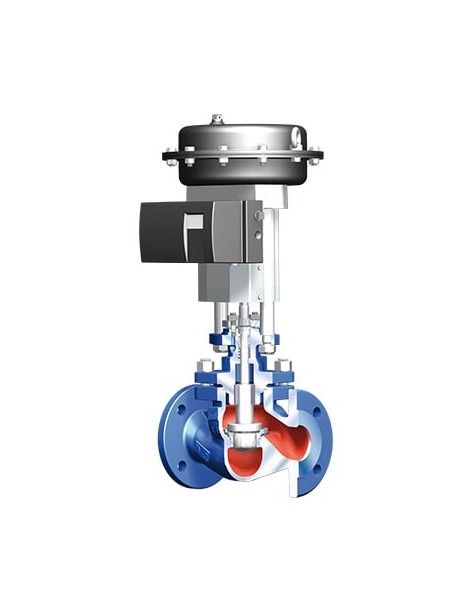
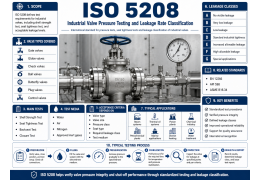
For automated process control, these valves can be combined with pneumatic or electric actuators and positioners for integration into PID control loops via PLC or DCS signals. In steam systems, heat exchangers, HVAC installations, power generation, food processing, and chemical service, technical evaluation should include packing maintenance, external stem leakage, internal leakage class to IEC/ANSI, aerodynamic or hydrodynamic noise, thermal stress, and control stability under part-load operation.