
Temperature Control
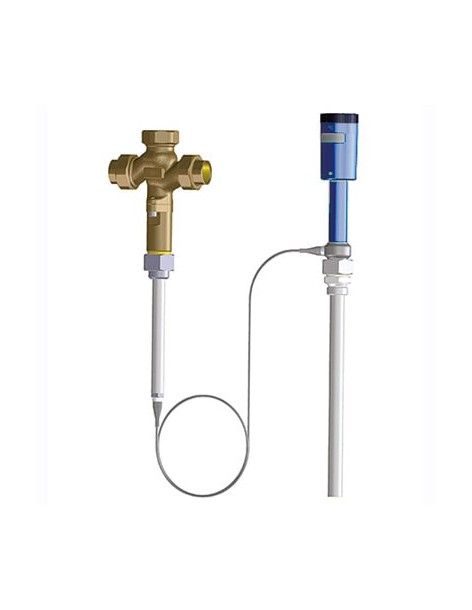
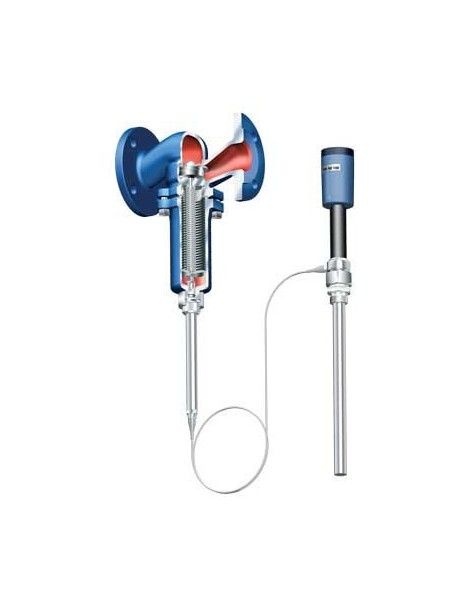
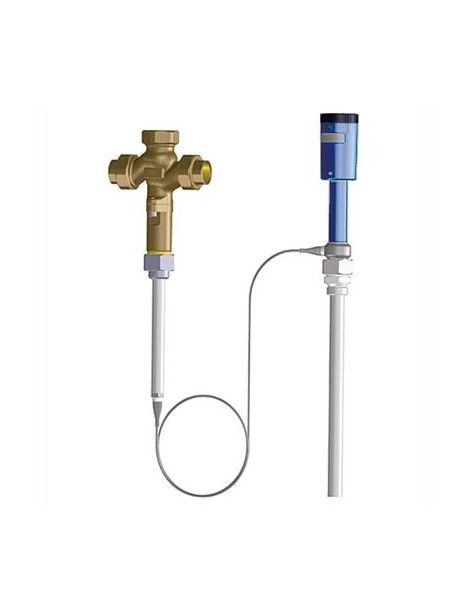
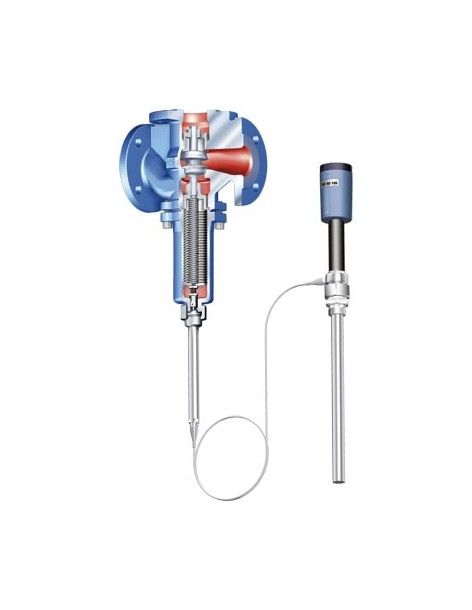
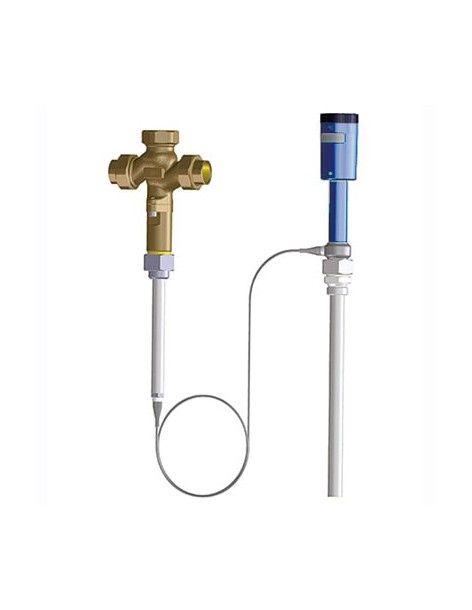
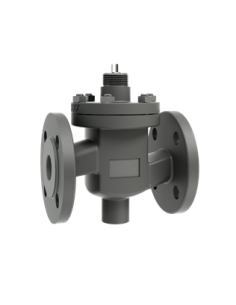
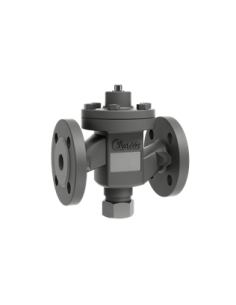
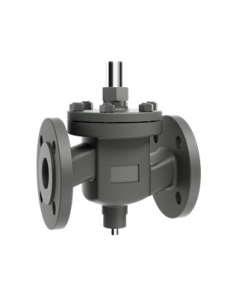
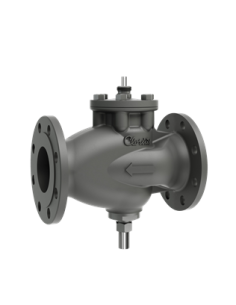
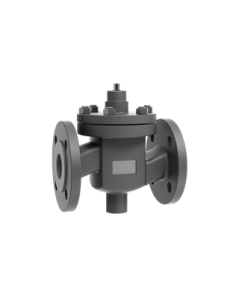
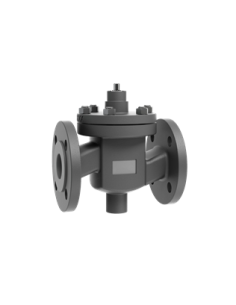
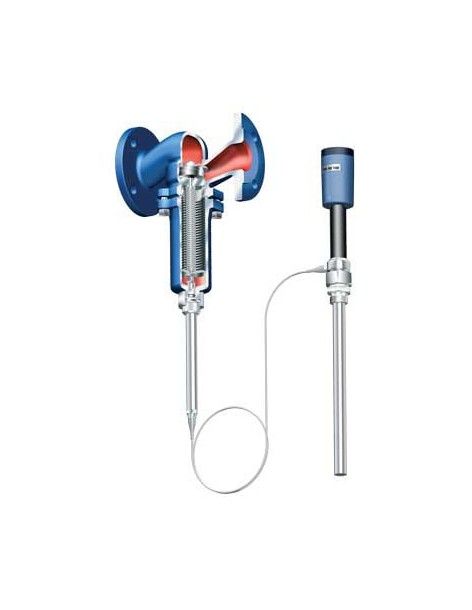
Industrial thermostatic control valves are used for self-acting temperature regulation by modulating flow, without external power supply, pneumatic air or PLC control signal. The category includes ARI TEMPTROL and Clorius two-way and three-way valves, together with thermostats, sensing elements, capillary tubes and adjustment mechanisms for direct valve actuation.
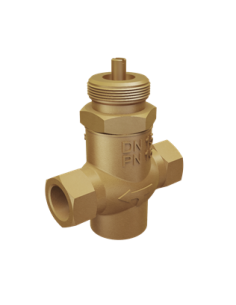
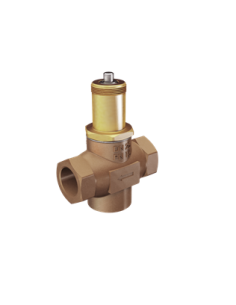
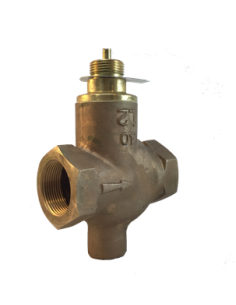
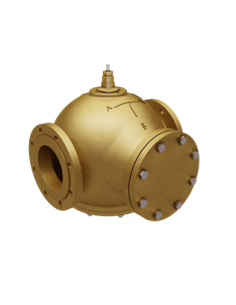
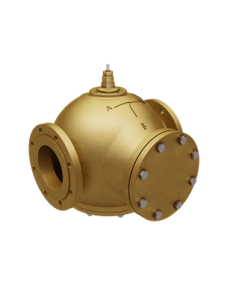
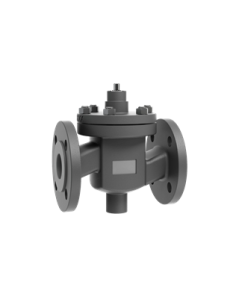
ARI TEMPTROL valves include two-way opening or closing control valves and three-way mixing/diverting configurations, available in flanged or threaded versions. They are applied in heating, cooling, hot water, steam and process-fluid circuits, with valve selection based on DN size, Kvs value, PN rating, differential pressure, body material and leakage class. LCG versions are used where the available differential pressure allows operation without pressure-balanced trim.
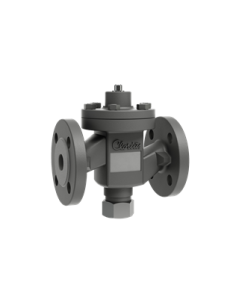
Clorius L, M, H and G series valves cover temperature control duties in hot water, steam, thermal oil, seawater, lubricating oil, refrigeration, district heating, HVAC systems, marine circuits and industrial process installations. Available body materials include gunmetal, cast iron, cast steel and nodular cast iron, with single-seat or double-seat construction, balanced versions for higher differential pressures and reverse-acting configurations for cooling applications where the valve opens on rising temperature.
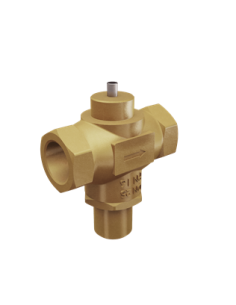
Three-way Clorius valves are used for flow mixing or diverting, with threaded or flanged connections and typical use in water, thermal-oil, lubricating-oil and marine cooling systems. During valve selection, the engineer should evaluate sensor location, response time, control hysteresis, internal leakage in closed position, access for maintenance and material compatibility with the operating medium.