
Butterfly valve Wafer/Lug Type 301E | Sirca

Sirca 301E Wafer/Lug Butterfly Valve
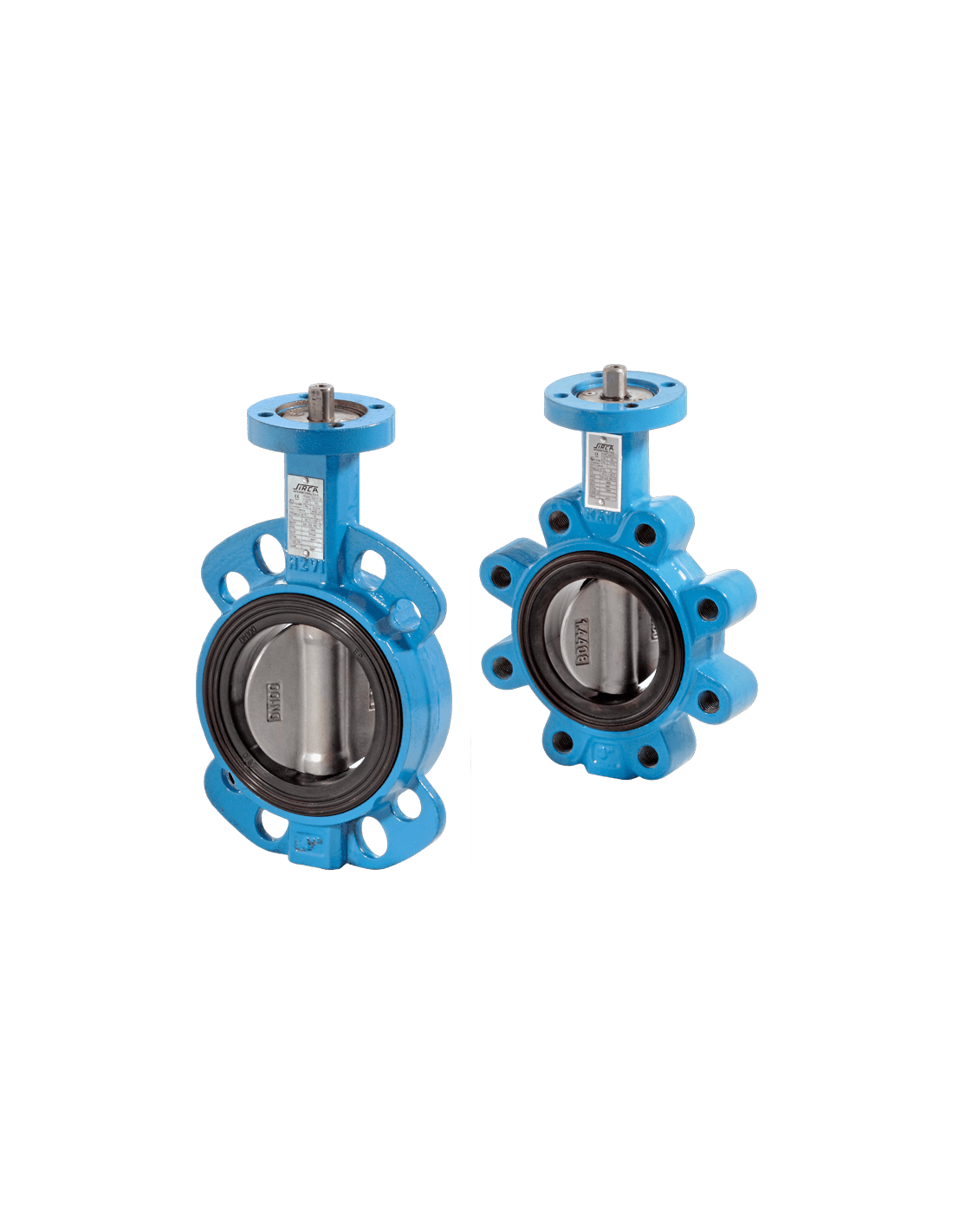
The Sirca 301E is a resilient-seated, bidirectional butterfly valve used for isolation and flow control in industrial liquid and gas systems. It is available in wafer and lug body configurations, covering nominal sizes from DN40 to DN1000.
Technical Data
-
Maximum operating pressure: up to 20 bar, depending on valve size, materials and configuration
-
Temperature range: approximately −20 to +160 °C, depending on seat compound and body/disc materials
-
Leakage class: bubble-tight shut-off according to API 598 and EN 12266-1
-
Face-to-face dimensions: EN 558-1, Series 20
-
Flange compatibility: PN6, PN10 and PN16 according to EN 1092-1, and ASME Class 150
-
Design standards: EN 12516-2, ASME B16.34 and API 609
-
Actuator mounting interface: ISO 5211
-
Anti-blowout stem retention design
Materials and Seat Options
Body materials may include ductile iron, carbon steel, stainless steel CF8M or aluminium bronze, depending on the selected version. Disc options include metallic and coated constructions.
Typical seat materials include:
-
EPDM for water, HVAC and compatible chemical services
-
NBR for oils, fuels and compressed-air applications
-
FKM for higher temperatures and chemically demanding media
Seat selection must be based on operating temperature, pressure, media concentration and chemical compatibility.
Actuation Options
The valve can be supplied with:
-
Manual lever
-
Gear operator
-
Pneumatic actuator
-
Electric actuator
-
Hydraulic actuator
The ISO 5211 top flange supports direct actuator mounting and integration with limit switches, positioners and process control systems.
Typical Applications
-
Water treatment and wastewater systems
-
Cooling-water and HVAC networks
-
Compressed air and compatible industrial gases
-
Chemical and process utilities
-
Marine and corrosive environments with suitable material selection
-
Automated isolation and modulating services
Wafer vs Lug Configuration
The wafer version is installed between two pipeline flanges and is commonly used where compact dimensions and low weight are required.
The lug version has threaded body lugs and can support end-of-line service, subject to the manufacturer’s pressure limits and installation conditions.
FAQ
Are additional flange gaskets required?
Normally, the resilient seat extends to the flange contact surface and provides the required sealing interface.
Is the valve suitable for steam?
Only after verifying the pressure-temperature rating and seat compatibility. Resilient-seated butterfly valves are generally not selected for high-temperature saturated steam service.
Datasheet and documents

Certificates