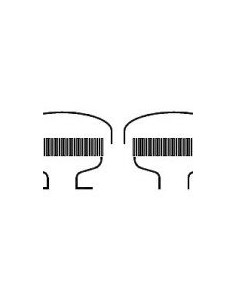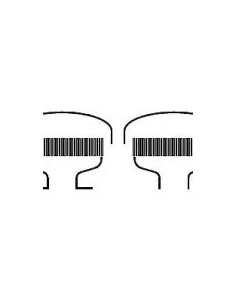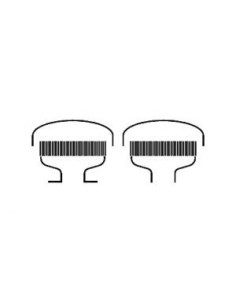


Burning Proof Ventilation
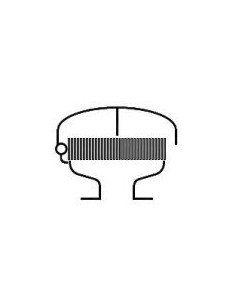
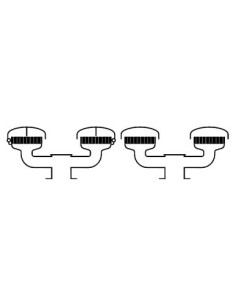
Flame arrester vent caps are used on tanks, vessels, and atmospheric vent points where free or controlled breathing is required while preventing flame transmission into the protected equipment. Typical service includes storage of flammable liquids, vapor lines, vent headers, and process systems where an explosive atmosphere may form at the vent outlet.
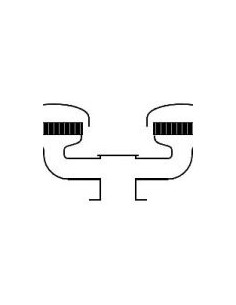
This category includes KITO vent cap types B1N, B1.1N, B2N, B4N, B4.1N, B5.8N, B5.9N, B5.10N, B6N, B6.1N, B6.2N, B7N, B7.1N, B8N, and B9N, available in deflagration-proof, short-time burning-proof, and endurance burning-proof versions. Selection between deflagration protection, short-duration flame resistance, and endurance burning resistance should be based on the credible ignition scenario, expected flame duration at the vent outlet, and the installation position of the vent device.
Selection criteria should include the explosion group of the vapor or gas, required tank breathing capacity, allowable pressure drop, tank design pressure/vacuum limits, presence of condensate, corrosion potential, and access for inspection and cleaning of the flame arrester element. Available configurations in this category include DIN-standard execution, flanged connections, pressure classes PN 10, PN 16, and PN 40, and materials such as 1.0619, 1.4408, 1.4571, and carbon steel or stainless steel depending on media compatibility and site conditions.
During maintenance, the flame-quenching element, flanges, gaskets, vent flow area, and any increase in differential pressure caused by fouling, deposits, or polymerized residue should be checked. The device should be specified as part of the overall ATEX assessment and the tank venting hydraulic calculation, not selected on nominal size alone.