

Flame Arresters
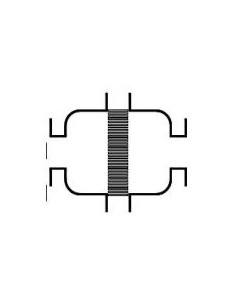
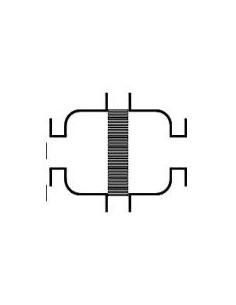
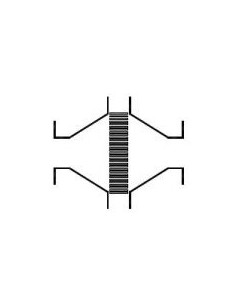
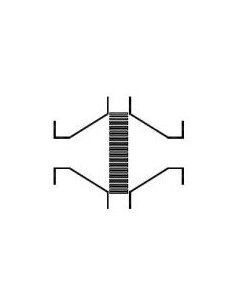
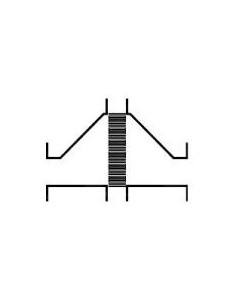
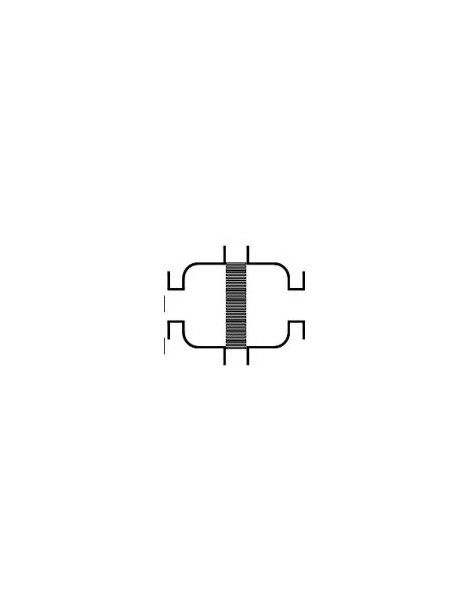
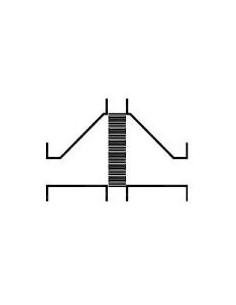
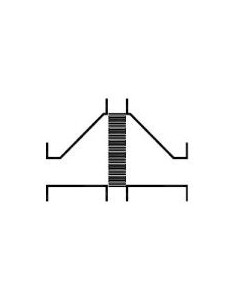
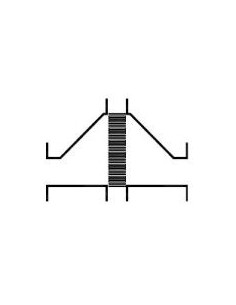
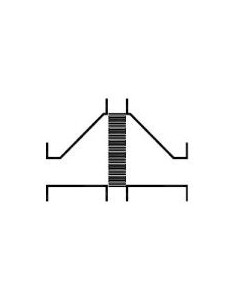
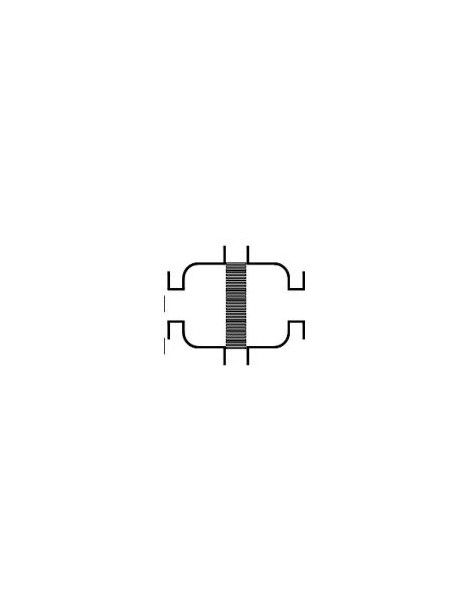
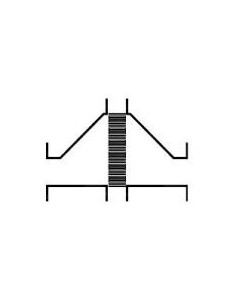
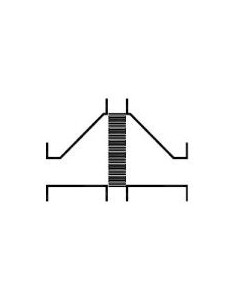
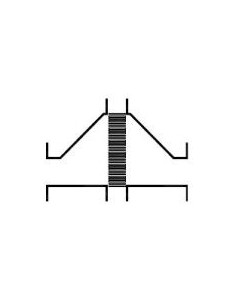
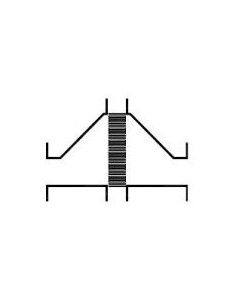
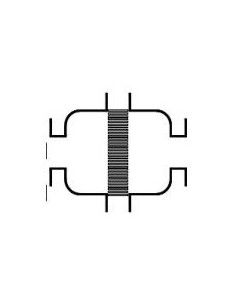
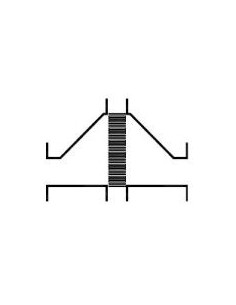
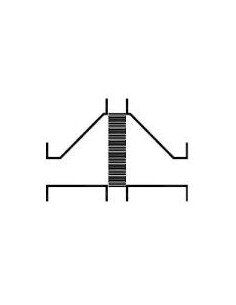
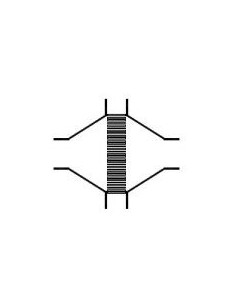
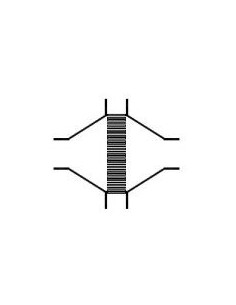
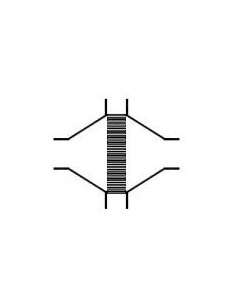
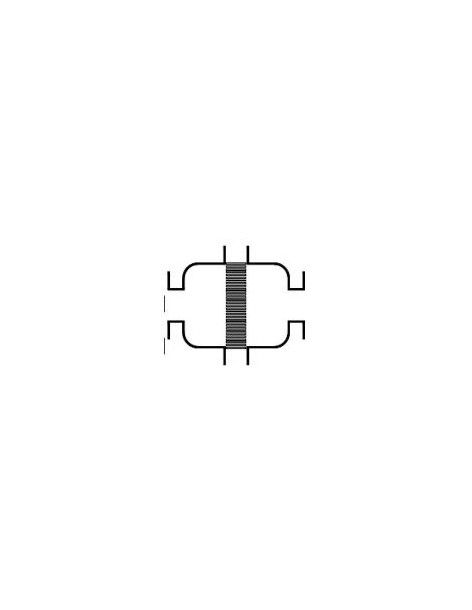
Flame arresters are used in pipelines, tank vents, and vapor-handling systems where ignition of flammable gases or vapor/air mixtures is possible. Their function is based on a flame-quenching element that removes heat from the combustion front and prevents flame transmission to protected sections of piping, vessels, tanks, or process equipment.
This category includes in-line flame arresters for atmospheric deflagration, detonation arresters, and vent caps with integrated flame arresters for controlled tank breathing. Selection should be based on the hazard type—deflagration or detonation—the location of the potential ignition source, flow direction, gas explosion group, MESG, operating pressure, temperature, nominal size, allowable pressure loss, and accessibility for inspection of the arrester element.
Available configurations include unidirectional and bidirectional flame arresters, short-time burning proof or endurance burning proof designs, with flanged connections, DIN drilling, pressure ratings such as PN10, PN16, or PN40, and body materials including 1.0619, 1.4301, 1.4408, and 1.4571.
For deflagration service, certain versions are specified for explosion groups IIA or IIA1, with limits on operating pressure, temperature, and distance from the possible ignition source. Representative KITO deflagration types are referenced with limits of 1.1–1.2 bar abs., 60°C, and pipe length restrictions expressed either as L/D ratio or up to 50 times the internal pipe diameter, depending on design.
Maintenance should include inspection for fouling, corrosion, mechanical deformation of the flame arrester element, vent passage cleanliness, flange tightness, and operation of optional temperature sensors. In services involving polymerizing media, solids, or condensate formation, inspection frequency should be increased, since reduction of free flow area raises pressure drop and can change the protection characteristics of the device.