


Ball Valve 4130 A/E Series | 4G Ghidini | Philippopoulos s.a.

Ball Valve 4130 A/E Series | 4G Ghidini

Ghidini 4130 A/E 4G 2-Way Wafer Ball Valve

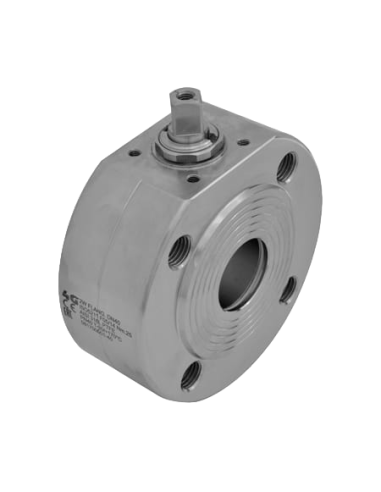
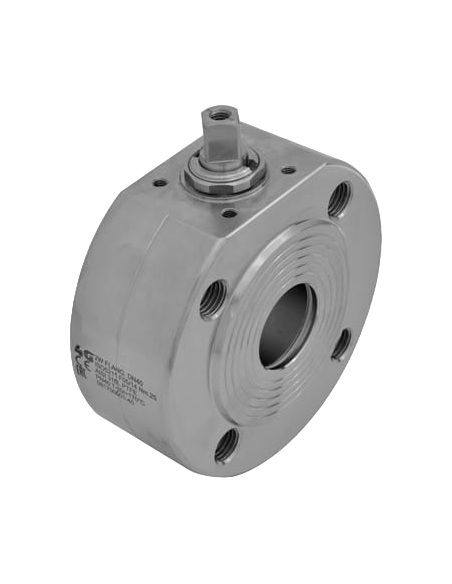
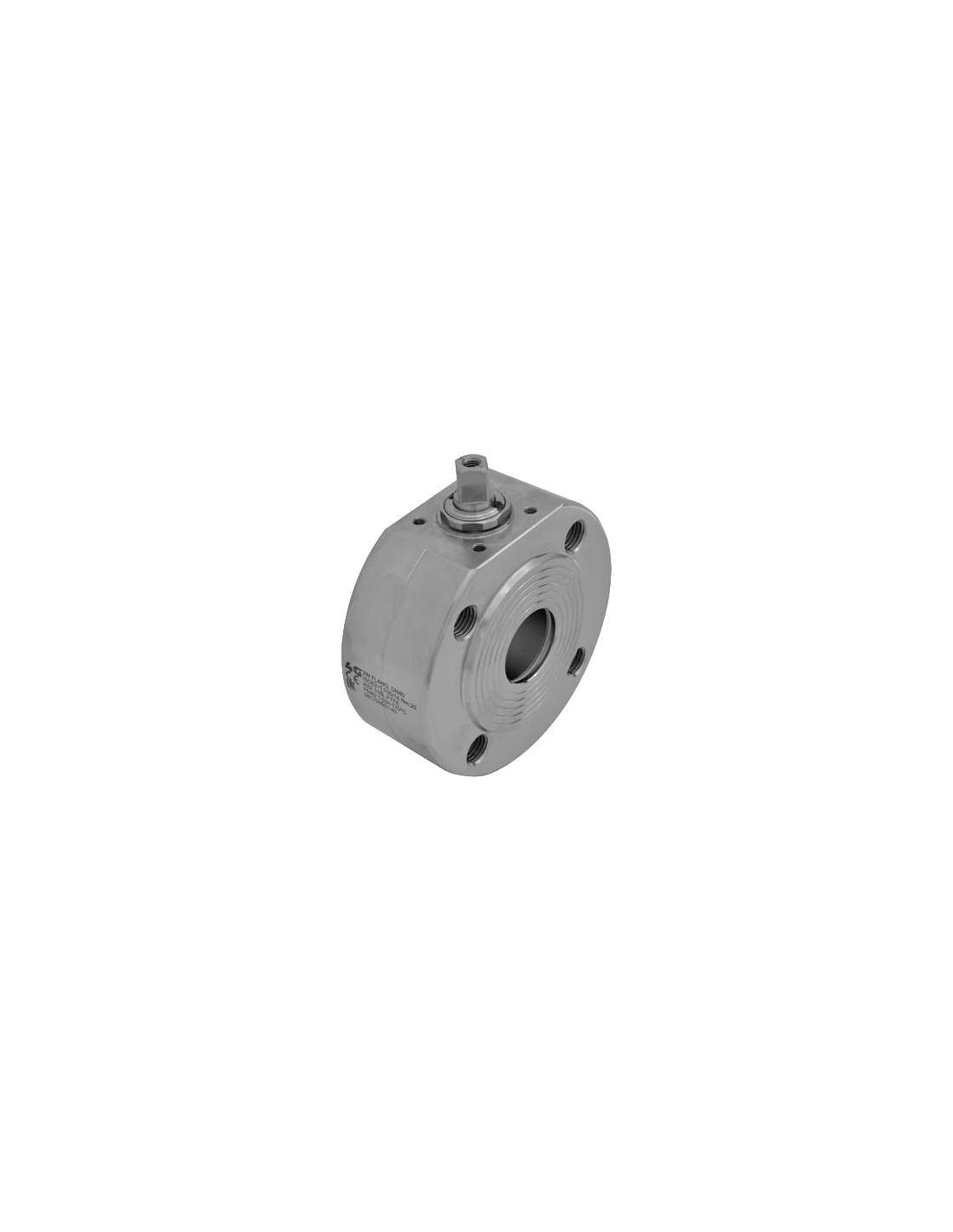
The Ghidini 4130 A/E is a full-bore, wafer-type 2-way ball valve with a contained ball design. The body is arranged for installation between flanges, with threaded holes to suit UNI EN 1092-1 flange patterns. The ISO 5211 top flange allows direct preparation for pneumatic or electric actuation.

Technical Data

  • Valve type: 2-way wafer ball valve, on/off duty
  • Body: flat body machined from bar stock
  • Material: AISI 316L / 1.4404 stainless steel
  • Sizes: DN15 to DN100
  • Connections: threaded holes for UNI EN 1092-1 flanges
  • Flange classes: PN 10, PN 16, PN 25, PN 40
  • Pressure rating: PN 16 / PN 25 / PN 40, depending on size and configuration
  • Flow bore: full bore
  • Standard seats: modified virgin PTFE
  • Temperature range: -20°C to +170°C with standard seat configuration
  • Actuator interface: ISO 5211, using mounting kit Art. 747540 or manual lever Art. 9354112

Typical Applications and Media

The 4130 A/E is used where compact face-to-face installation and positive isolation are required. Typical duties include chemical process lines, food-grade fluids, oils, fats, viscous products and utility networks where a short valve body is preferred.

  • Suitable for clean liquids, compatible chemicals, oils and viscous media
  • Applicable to batch transfer, tank isolation, skid-mounted equipment and process manifolds
  • Not intended as a throttling or control valve; use is primarily fully open or fully closed

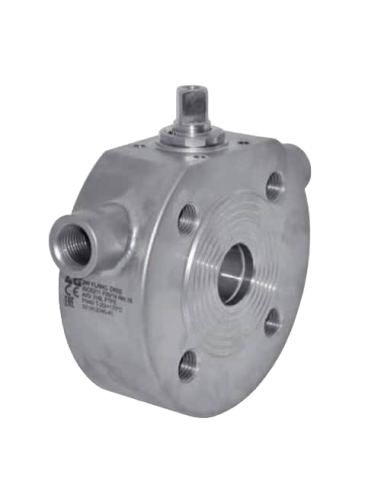
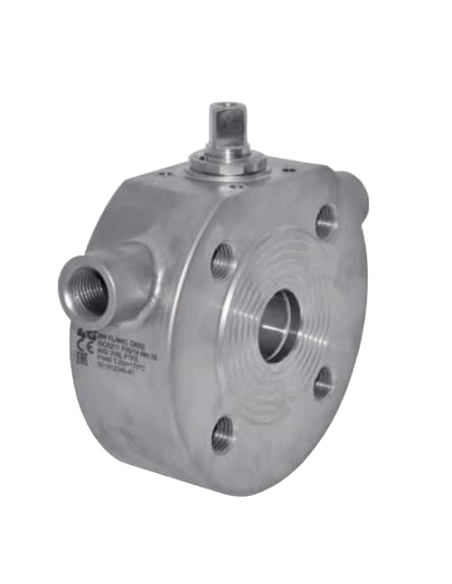
Heated Jacket Version

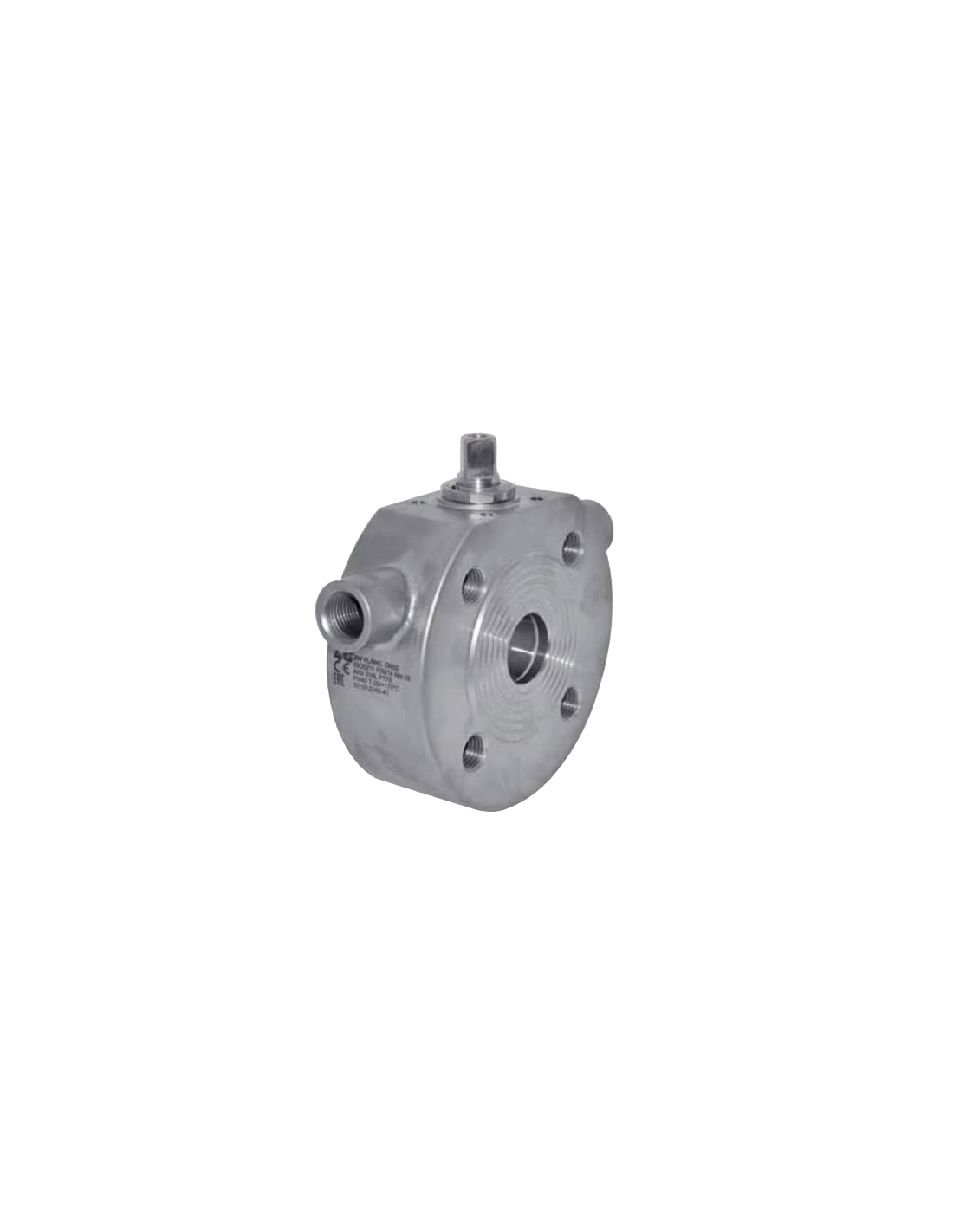
A heated jacket version is available for services where the product must remain fluid inside the valve body. This configuration is selected for media that crystallise, solidify or show a significant viscosity increase when process temperature drops.

Seat and Compliance Options

  • ATEX antistatic device
  • M.O.C.A. compliance for CE 1935/2004 applications
  • PTFE with glass filler: up to +170°C
  • PTFE with carbographite filler: up to +180°C
  • PTFE with stainless steel filler: up to +200°C
  • UHMWPE seats: up to +80°C

Variant Selection Notes

Seat material should be selected according to chemical compatibility, operating temperature, pressure class, cleaning procedure and allowable leakage. For automated service, actuator torque must be checked against differential pressure, seat material, media viscosity and operating frequency.

Comparison with Type 4030

Compared with the 4030, the 4130 A/E uses a contained ball arrangement and threaded connection holes for UNI EN 1092-1 flange installation. This makes it suitable for compact wafer mounting where the valve must remain correctly retained in the piping assembly.

FAQ

Is the 4130 A/E a control valve?
No. It is intended for on/off isolation. Continuous throttling can increase seat wear and may affect shut-off performance.

Can it be automated?
Yes. The valve has an ISO 5211 interface and can be fitted with a pneumatic or electric actuator using the appropriate mounting kit.

Standard (Options)
  • DIN
Connection (Options)
  • Flanged (Wafer)
Material (Options)
  • 1.4404
Pressure Rating (Options)
  • PN 16
  • PN 25
  • PN 40
Seat (Options)
  • PTFE Virgin (Modified)

Datasheet and documents

Description

TWO-way ball valve, FLAT BODY with BALL CONTAINED from bar / TWO-way ball valve, FLAT BODY with CONTAINED BALL AND HEATING JACKET from bar

Drive: ISO 5211 flange for actuator

Connection:

  • Threaded holes for UNI EN 1092-1
  • Threaded holes for UNI EN 1092-1 for flanges PN 10-40

Flow: Full

Material: Aisi 316L (1.4404)

Measure: from DN15 to DN100

Modified Virgin P.T.F.E.

Operating temperature: -20°C+170°C

Antistatic device ATEX:

II 2G Ex h IIC T4 Gb

II 2D Ex h IIIC T135°C Db

* MOUNTING KIT NEEDED Art. 747540 OR LEVER Art. 9354112

On request:

M.O.C.A. CE 1935/2004

• Seals made of:

PTFE with glass -20°C+170°C

PTFE with carbographite -20°C+180°C

PTFE with inox -20°C+200°C

UHMW High-molecular weight polyethylene -20°C+80°C