


Ball Valve 4030 Series | 4G Ghidini | Philippopoulos s.a.

Ball Valve 4030 Series | 4G Ghidini

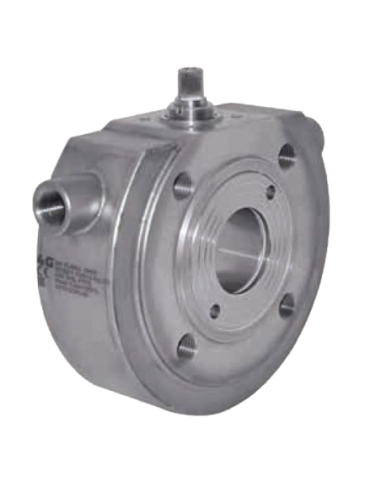
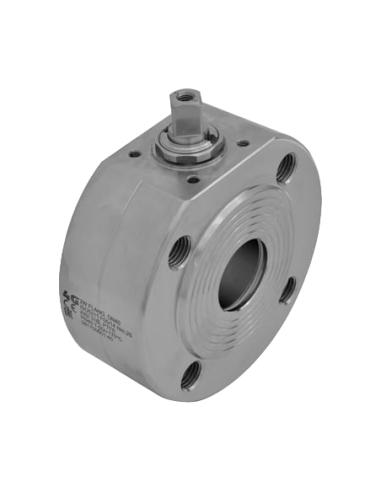
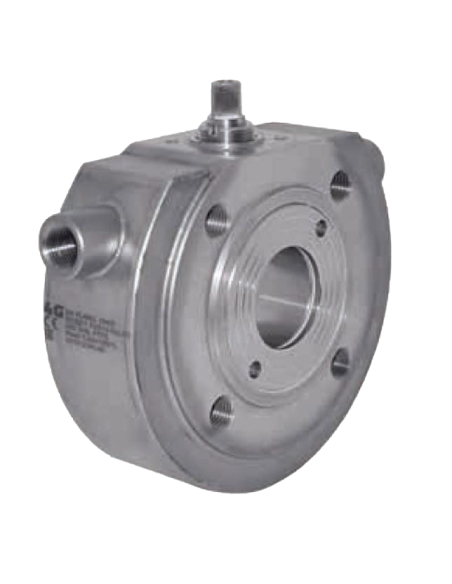
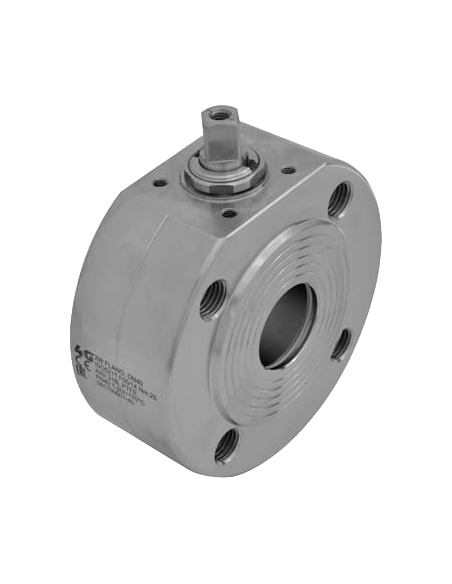
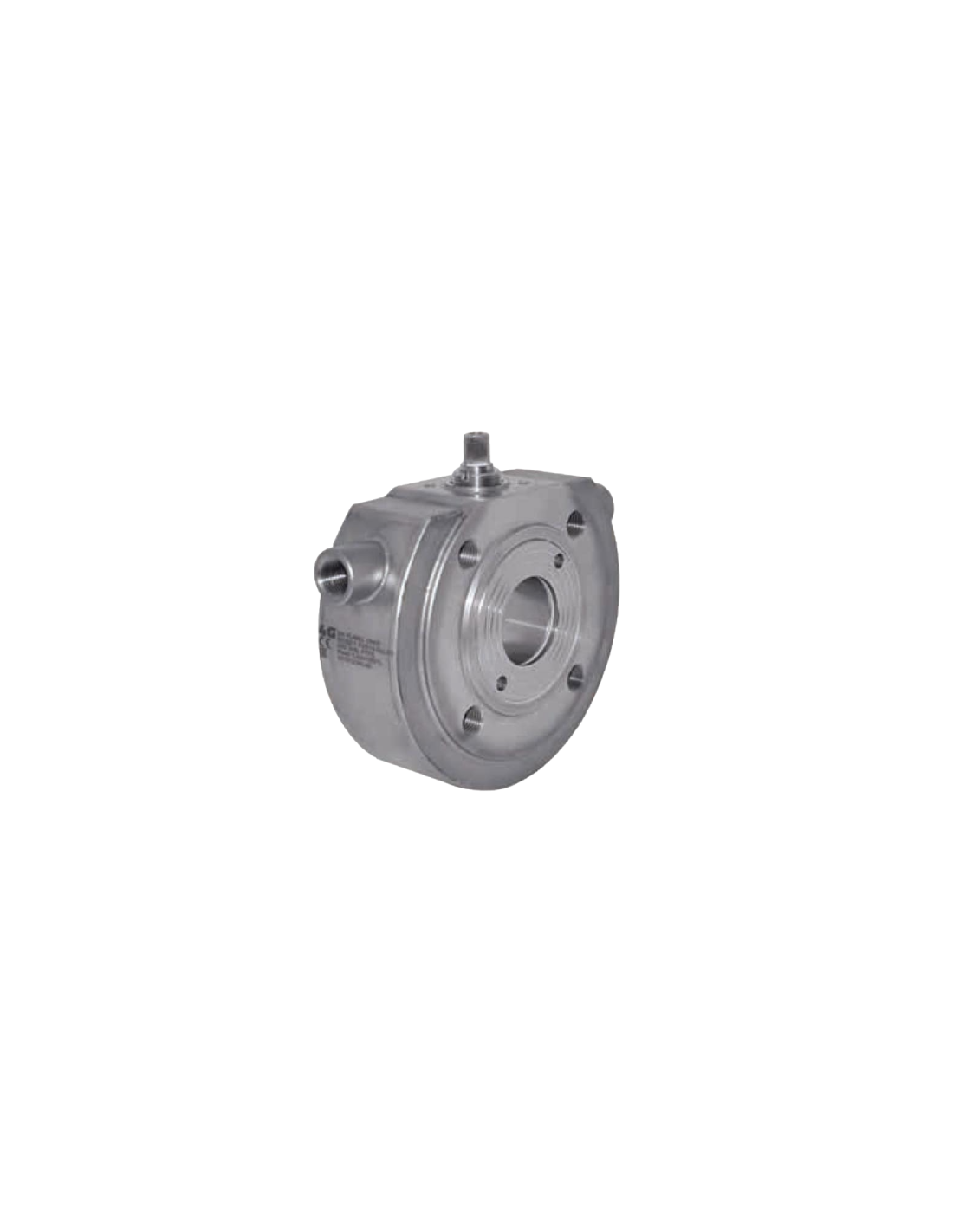
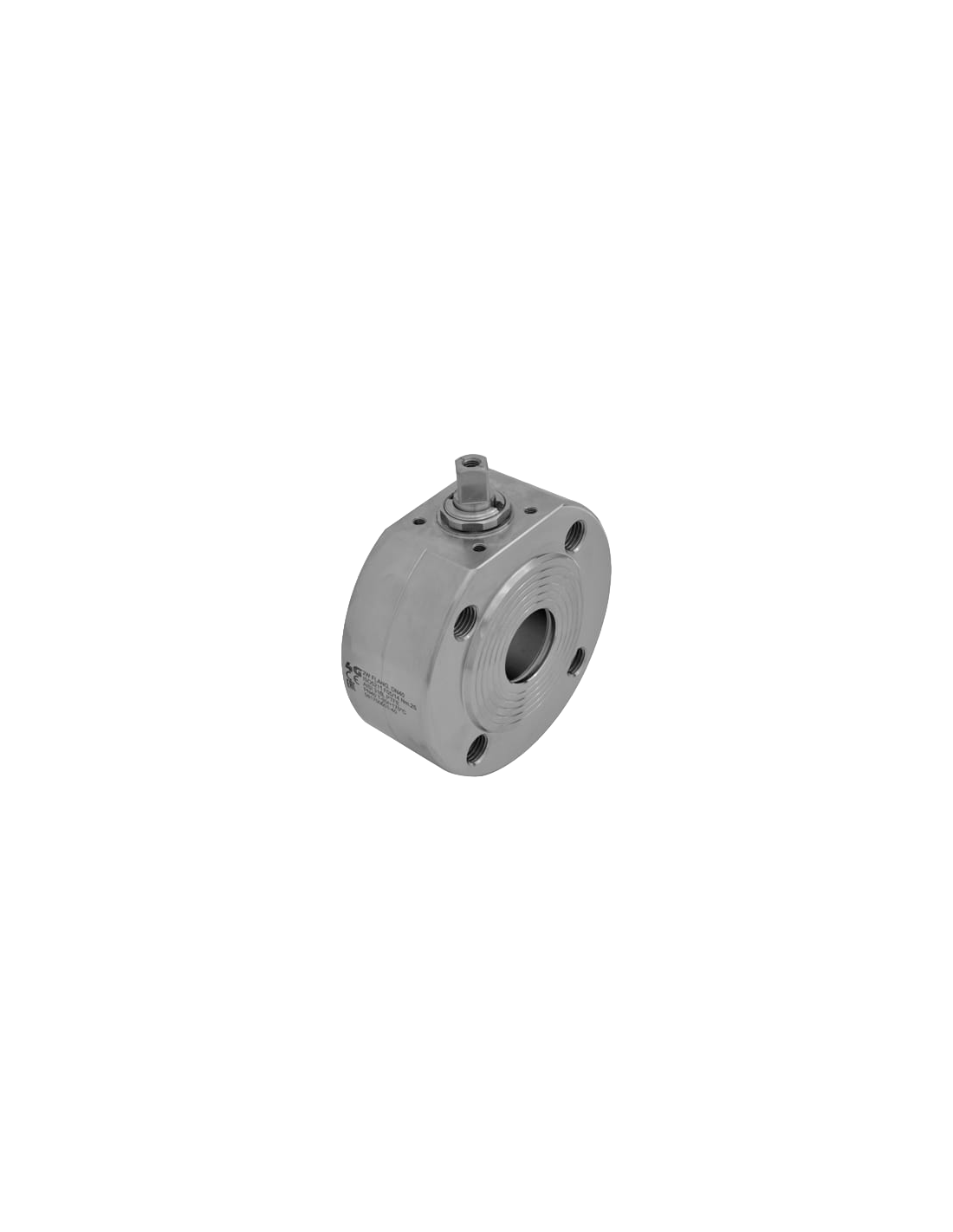
Ghidini 4030 4G Two-Way Ball Valve

The Ghidini 4030 is a full-bore wafer-pattern ball valve with an ISO 5211 top flange for actuator mounting. It is used where automated on/off isolation is required in process lines. The body is available as a flat-body version machined from bar stock or with a heating jacket for media that must be kept above a minimum temperature.

Technical Characteristics

  • Valve type: two-way wafer-pattern ball valve
  • Connection: flanged wafer execution
  • Standards: DIN or ANSI flange compatibility
  • Materials: AISI 304L / 1.4307 or AISI 316L / 1.4404
  • Sizes: DN15–DN200; DN15–DN100 with heating jacket
  • Pressure rating: PN 16
  • Flow passage: full bore
  • Standard seats: modified virgin PTFE
  • Temperature range: -20°C to +170°C with standard seats
  • Actuation interface: ISO 5211 top flange; mounting kit Art. 747540 required

Typical Applications

The 4030 is specified for automated isolation duties in product lines handling viscous fluids, chemicals, food products, oils, greases and temperature-sensitive media. The full-bore design reduces pressure drop and helps limit product retention in the valve bore.

The heating-jacket version is selected when the medium may solidify, crystallise, increase in viscosity or create cleaning problems if it cools inside the valve body.

Suitable Media and Operating Context

  • Viscous process fluids and semi-fluid products
  • Food-compatible media when MOCA / EC 1935/2004 execution is specified
  • Oils, fats, resins and similar fluids requiring thermal maintenance
  • Chemical services compatible with stainless steel and the selected seat material
  • Automated batch, transfer, filling and process isolation lines

Options and Seat Materials

  • ATEX antistatic arrangement
  • MOCA / EC 1935/2004 food-contact compliance
  • PTFE with glass filler up to +170°C
  • PTFE with carbographite filler up to +180°C
  • PTFE with stainless steel filler up to +200°C
  • UHMWPE seats up to +80°C

Actuator Options

The ISO 5211 interface allows installation of pneumatic or electric actuators for plant automation. Actuator sizing should consider differential pressure, seat material, operating temperature, fluid viscosity, cycling frequency and required safety position.

Difference from Ghidini 4001

The 4001 is a manually operated lever valve. The 4030 is intended for automated service and includes the ISO 5211 mounting interface for pneumatic or electric actuation. It is therefore more appropriate for remote isolation, interlocked process sequences and PLC-controlled on/off duties.

FAQ

  • Is the 4030 a control valve? No. It is primarily an on/off isolation valve, not a modulating control valve.
  • When is the heating jacket required? When the medium must be kept warm to prevent solidification, viscosity increase or product build-up.
  • What must be checked before selection? Pressure, temperature, chemical compatibility, seat material, actuator torque and applicable standards.
Standard (Options)
  • DIN
  • ANSI
Connection (Options)
  • Flanged (Wafer)
Material (Options)
  • 1.4307
  • 1.4404
Pressure Rating (Options)
  • PN 16
Seat (Options)
  • PTFE Virgin (Modified)

Description

TWO-way ball valve, FLAT BODY from bar machined / TWO-way ball valve, Flat Body with HEATING JACKET from bar machined

Drive: ISO 5211 flange for actuator

Flow: Full

Material: Aisi 304L (1.4307) – Aisi 316L (1.4404)

Measure:

from DN15 to DN200

from DN15 to DN100

Modified Virgin P.T.F.E.

Operating temperature: -20°C+170°C

* MOUNTING KIT NEEDED Art. 747540

On request:

Antistatic device ATEX:

II 2G Ex h IIC T4 Gb

II 2D Ex h IIIC T135°C Db

M.O.C.A. CE 1935/2004

• Seals made of:

PTFE with glass -20°C+170°C

PTFE with carbographite -20°C+180°C

PTFE with inox -20°C+200°C

UHMW High-molecular weight polyethylene -20°C+80°C